Carney, Trump discuss future of Canada-US trade relations
 13 oC

Güneşli

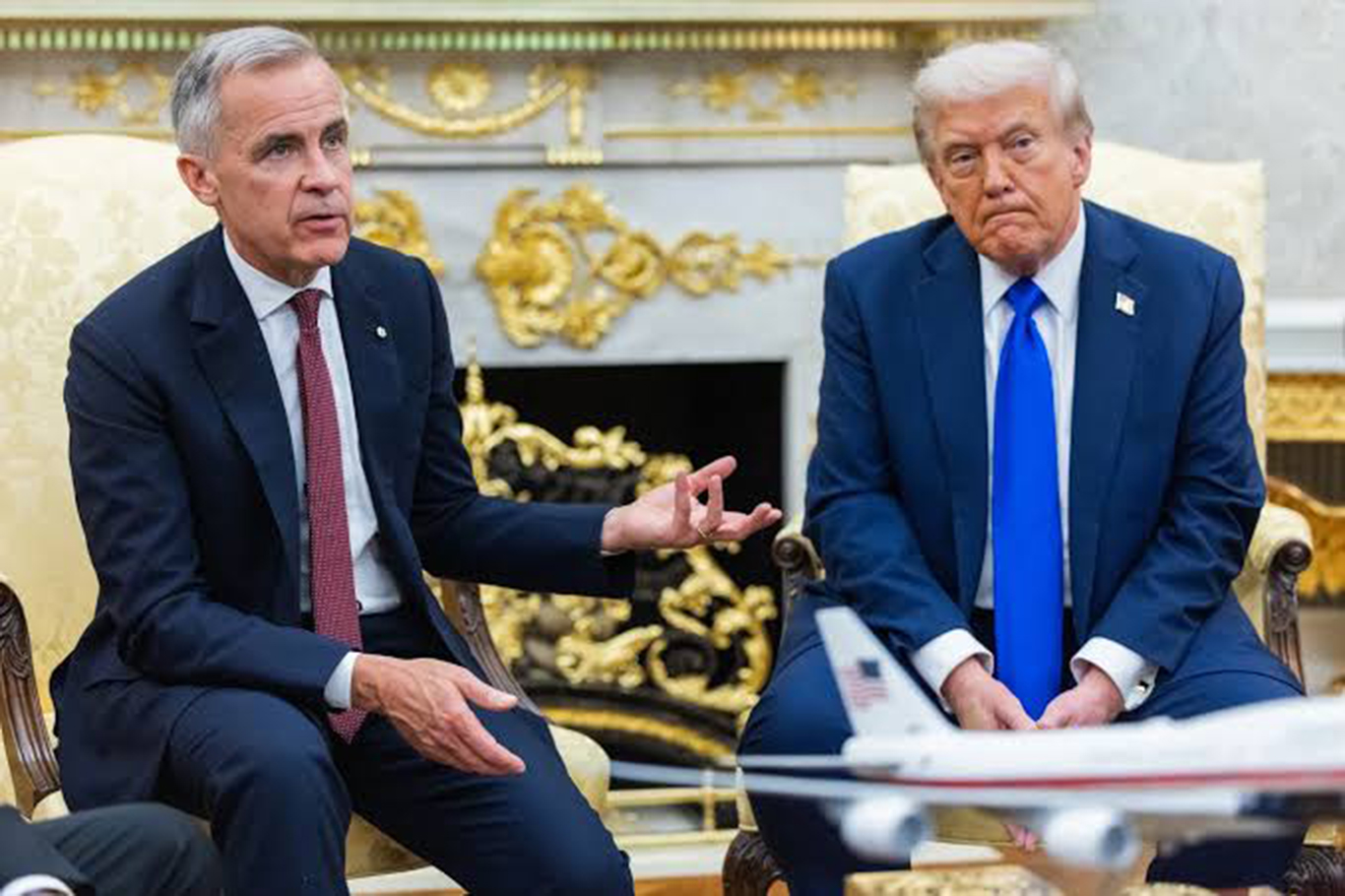
Canadian Prime Minister Mark Carney and US President Donald Trump have held a constructive conversation on the future of bilateral trade, raising hopes of progress towards a new trade agreement after months of escalating tariff disputes between the two neighbouring countries.
Carney announced on Sunday that he had a "good conversation" with Trump, saying their exchange built on recent constructive discussions about the framework of a mutually beneficial trade deal.
In a post on X, the Canadian prime minister said the proposed agreement should create jobs, improve affordability for families and fully respect Canada's languages, culture and sovereignty.
"Our teams will now be working in the coming weeks to deliver that outcome," Carney said.
According to the Canadian Prime Minister's Office, the conversation took place on Saturday. However, neither leader has announced specific terms or a timetable for concluding an agreement.
The latest exchange represents a potentially significant step towards easing trade tensions that have strained economic relations between Washington and Ottawa and disrupted businesses on both sides of the border.
The renewed diplomatic engagement comes just days before the November 3 US midterm elections, with Trump's trade policies towards Canada emerging as a politically sensitive issue, particularly in northern border states such as Michigan and Maine.
Republican candidates in several states have faced pressure from businesses and voters affected by tariffs on Canadian imports. Michigan Republican Senate candidate Mike Rogers has publicly called for an end to the trade dispute.
Trump said last week that an agreement with Canada was approaching, suggesting that the two countries could resolve their differences soon.
However, negotiations have remained complicated. As recently as October 28, Carney said there had been limited progress in discussions, despite a slight intensification of diplomatic engagement.
The Canadian prime minister has repeatedly stressed that Ottawa is prepared to reach an agreement but will not compromise on the country's economic interests, sovereignty, French-language protections or key industries.
Trade negotiations collapsed in August after Canada rejected US demands that Carney said threatened the country's sovereignty, weakened French-language protections and undermined its automotive industry.
Following the breakdown, Trump imposed tariffs of up to 50% on approximately $20 billion worth of Canadian goods, prompting Ottawa to introduce retaliatory measures.
The dispute has also involved broader US tariffs targeting Canadian steel and automobiles, including duties of up to 50% on steel and 25% on automotive imports under Section 232 of US trade legislation.
Both governments have subsequently explored arrangements to ease some of these tariffs, particularly those affecting steel and automobile manufacturers.
According to reports, negotiations have focused on possible exemptions or reductions in duties affecting Canadian steel and automotive exports, although no comprehensive agreement has yet been announced.
Trump also announced limited tariff relief for certain Canadian agricultural and forestry products in October, while imposing additional duties on other categories of goods.
The prolonged trade dispute has encouraged Carney's government to accelerate efforts to diversify Canada's international economic partnerships and reduce its dependence on the US market.
During an EU-Canada summit in Montreal on October 30, Canada and the European Union launched a new economic and security alliance aimed at expanding cooperation in trade, investment and strategic industries.
Carney has also set an ambitious objective of doubling Canada's exports to markets outside the United States over the next decade.
The initiative reflects growing concerns in Ottawa about the economic and political consequences of relying heavily on a US administration increasingly willing to use tariffs as an instrument of foreign and economic policy.
Despite the renewed diplomatic engagement with Washington, Canadian officials have indicated that any agreement must protect the country's long-term economic interests.
Carney's latest comments suggest that both governments are seeking to revive negotiations after months of confrontation, although substantial differences remain.
The White House had not issued an official statement detailing the conversation or confirming the terms of a potential agreement as of Sunday.
Opposition Conservative leader Pierre Poilievre welcomed the prospect of an agreement but criticised Carney for failing to deliver the trade deal he had promised during the previous election campaign.
Meanwhile, the approaching US midterm elections have added political urgency to the negotiations, with Trump's tariffs facing growing criticism from businesses and political candidates in states economically tied to Canada.
Although the latest conversation has raised expectations of progress, the coming weeks will determine whether Washington and Ottawa can translate their diplomatic engagement into a concrete agreement that addresses tariffs while safeguarding Canada's economic sovereignty. (ILKHA)
LEGAL WARNING: All rights of the published news, photos and videos are reserved by İlke Haber Ajansı Basın Yayın San. Trade A.Ş. Under no circumstances can all or part of the news, photos and videos be used without a written contract or subscription.
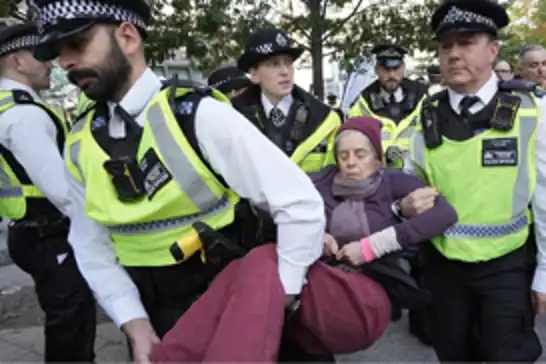
British police arrested 325 pro-Palestinian activists during a demonstration outside the US Embassy in London against the government's ban on Palestine Action, according to an updated police statement on Sunday, as growing opposition to the proscription intensified ahead of a crucial Supreme Court hearing this week.
The Islamic Emirate of Afghanistan has accused Pakistan of initiating the latest escalation between the two neighbouring countries, urging the United States to acknowledge that the source of instability lies on the Pakistani side.
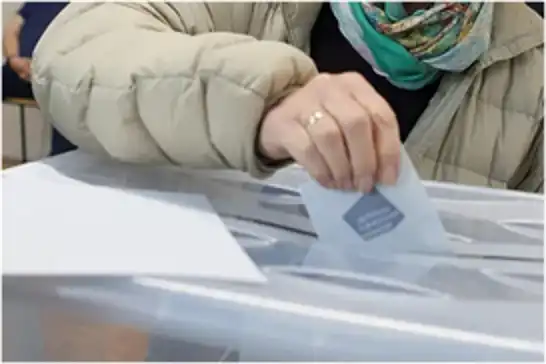
Bulgarians headed to the polls on Sunday for a decisive presidential runoff between incumbent President Iliana Iotova and former caretaker Prime Minister Andrey Gyurov after neither candidate secured an outright victory in the first round of voting last week.