China, US agree to cut tariffs on $60 billion worth of goods
 13 oC
13 oC 
Güneşli

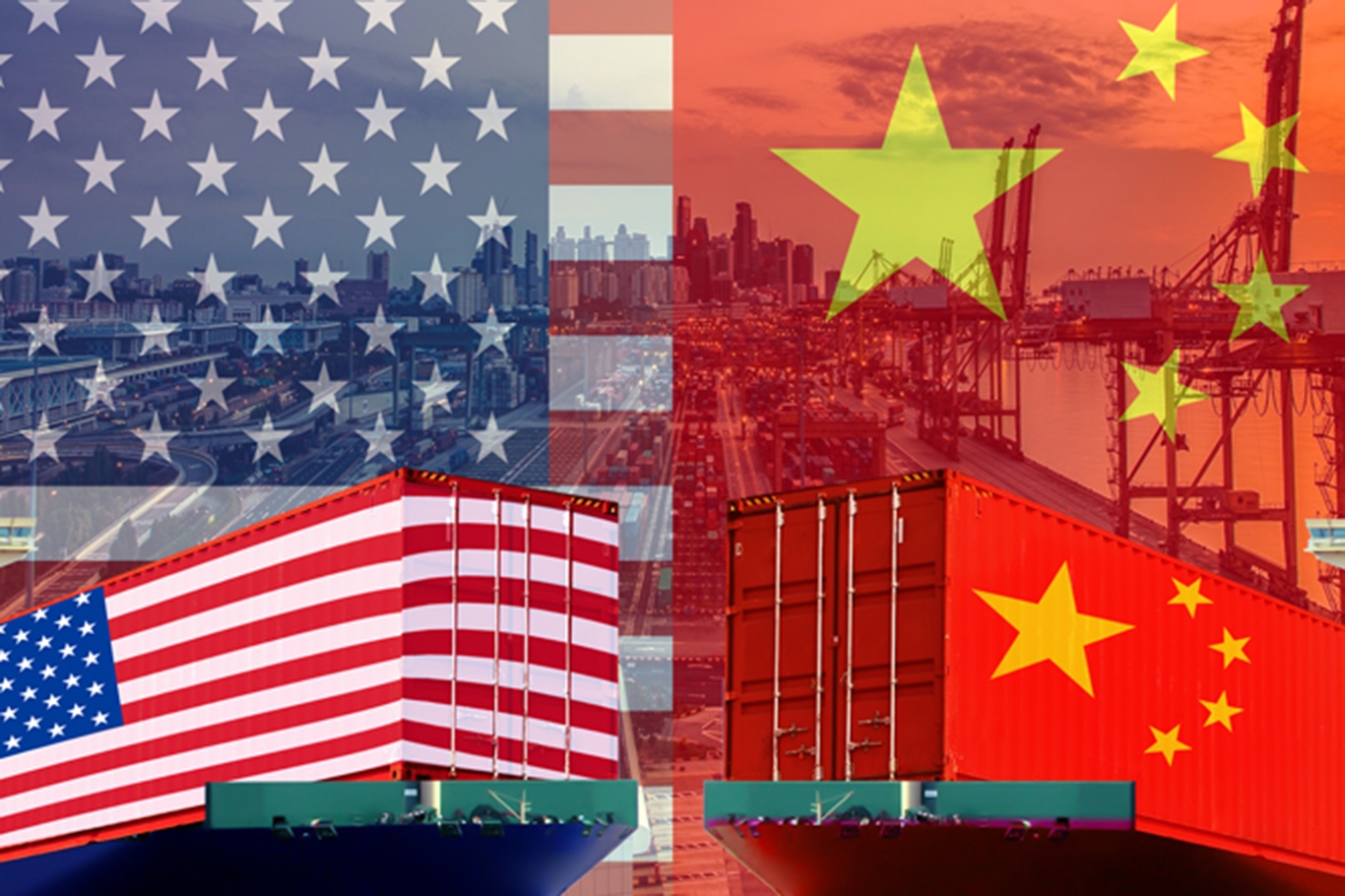
China and the United States have agreed to reduce tariffs on a combined $60 billion worth of imported goods, marking a new step in efforts to ease trade tensions between the world's two largest economies following last week's summit in Washington between US President Donald Trump and Chinese President Xi Jinping.
In addition to reciprocal tariff reductions, the two countries agreed to extend their existing trade truce, expand agricultural cooperation, maintain regular consultations on investment opportunities and continue negotiations on a broader economic and trade agreement.
US Trade Representative Jamieson Greer said that, under the framework of the US–China Trade Council, both countries had agreed to apply more favourable tariff rates to an additional $30 billion worth of non-sensitive imports from each side.
Greer said the arrangement would improve market access for nearly 30 per cent of US exports to China while lowering costs for a range of consumer products traded between the two countries.
According to the White House, China plans to reduce tariffs on a broad range of US agricultural products, including corn, wheat, sorghum, meat, dairy products, vegetable oils and animal feed.
Beijing is also expected to lower import duties on fish and seafood products, timber and wood products, cosmetics and medical devices imported from the United States.
On the US side, tariff reductions will apply to selected Chinese consumer goods, including coffee makers, toasters, tableware, blankets and bed linen. The list also includes toys, fireworks, artificial flowers, Christmas decorations and child safety products.
Many of the US agricultural exports included in China's tariff reduction programme are expected to support Beijing's commitment to purchase an additional $17 billion worth of American agricultural products under the broader trade framework.
The two countries also agreed to establish a joint agricultural working group, with its first meeting expected before the end of the year to discuss market access and expand cooperation in the sector.
China's Ministry of Commerce announced that the bilateral trade truce will be extended by two months until January 10, 2027, providing additional time for both sides to continue negotiations on outstanding economic and trade issues while implementing the commitments already reached.
The ministry said the extension would help maintain a more stable environment for businesses as negotiations on a broader agreement continue.
During the Trump–Xi summit, China also agreed to purchase 10 million tonnes of US coal annually in 2027 and 2028. Liquefied natural gas (LNG) and crude oil were not included in the agreement.
The two governments further agreed to establish a direct communication mechanism to address incidents related to artificial intelligence, continue discussions on expanding direct commercial flights and maintain dialogue on increasing market access for financial institutions operating in both countries.
The latest agreements represent another effort by Beijing and Washington to stabilise economic ties while continuing negotiations over broader trade issues that have remained unresolved despite months of bilateral talks.(ILKHA)
LEGAL WARNING: All rights of the published news, photos and videos are reserved by İlke Haber Ajansı Basın Yayın San. Trade A.Ş. Under no circumstances can all or part of the news, photos and videos be used without a written contract or subscription.
Turkish Foreign Minister Hakan Fidan met with United Arab Emirates President Sheikh Mohamed bin Zayed Al Nahyan in Abu Dhabi to discuss bilateral relations and opportunities to further strengthen cooperation between Türkiye and the UAE.

More than 1,700 Israeli settlers defiled the Al-Aqsa Mosque compound in occupied East Jerusalem on Monday under heavy Israeli police protection, as incursions intensified during the Jewish Sukkot holiday.
The Council of the European Union has adopted new rules introducing comprehensive changes to the bloc's pharmaceutical legislation, aiming to improve patients' access to safe, effective and affordable medicines while supporting innovation in the pharmaceutical sector.
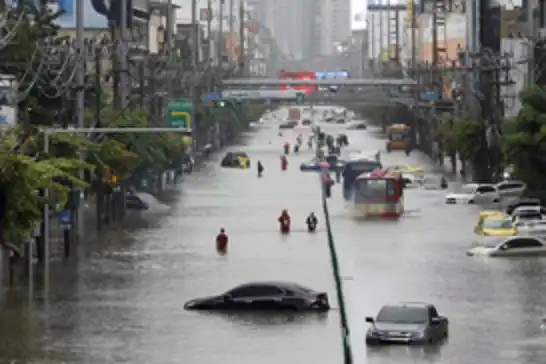
Floodwaters in Thailand’s capital Bangkok began to recede Monday after days of torrential rain, but several neighborhoods and major roads remained inundated as authorities stepped up drainage and relief operations.