Cuba blames U.S. embargo for nationwide power grid failures
 13 oC
13 oC 
Güneşli

Cuban Foreign Minister Bruno Rodríguez Parrilla has accused the United States of being responsible for the country's recurring nationwide electricity outages, arguing that decades-long U.S. sanctions have severely undermined Cuba's energy infrastructure.
In a statement posted Tuesday on the social media platform X, Rodríguez said the repeated collapses of Cuba's National Electric System (SEN) were a direct consequence of what he described as the U.S. embargo and its impact on the country's energy sector.
"The disconnections of the national electric system are direct consequences of the genocidal blockade of the United States against Cuba, particularly the energy siege," Rodríguez wrote.
He argued that U.S. sanctions not only restrict Cuba's ability to import fuel but also hinder access to critical spare parts and equipment needed to maintain the national power grid. According to the foreign minister, the measures also impede cooperation with international technical experts and limit the country's access to international financing for energy projects.
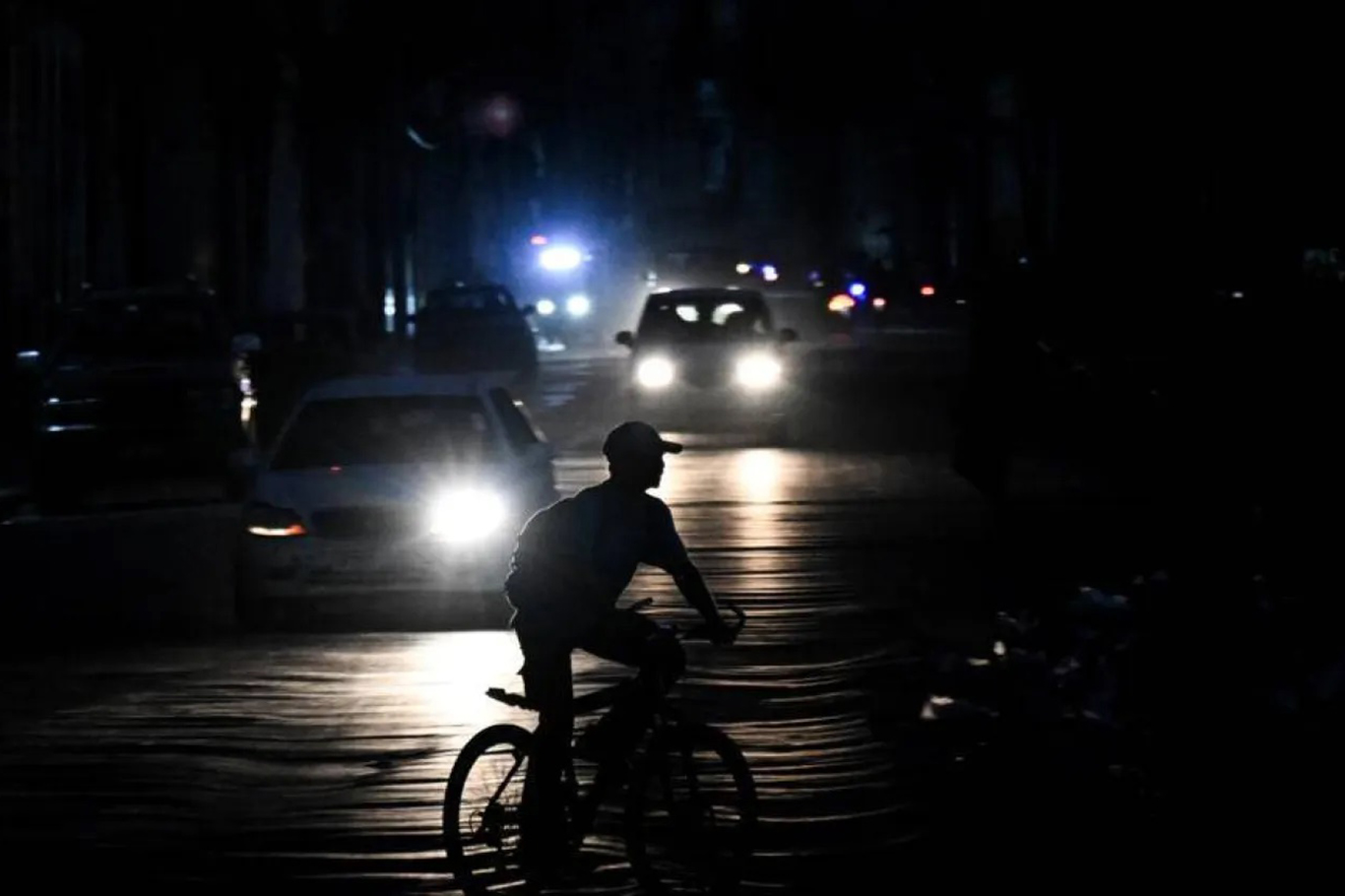
Rodríguez's remarks followed another nationwide collapse of Cuba's electricity grid, the latest in a series of major outages that have left millions of residents without power and disrupted daily life across the island.
The repeated blackouts have highlighted the mounting challenges facing Cuba's aging electrical infrastructure, which has struggled with fuel shortages, obsolete equipment, and maintenance difficulties.
Meanwhile, the U.S. Embassy in Havana issued a security advisory on Monday urging American citizens currently in Cuba, or planning to travel there, to prepare for widespread service disruptions, including interruptions to electricity, mobile phone networks, and internet connectivity.
The embassy noted that Cuba's electrical system has become increasingly unstable, describing the latest outage as the sixth nationwide power grid failure recorded in 2026. According to the advisory, three of those total grid collapses occurred during July alone, underscoring the growing frequency of large-scale power disruptions.
Cuba has endured recurring electricity shortages in recent years as authorities grapple with aging power plants, limited fuel supplies, and financial constraints. The government has repeatedly argued that the long-standing U.S. embargo has significantly complicated efforts to modernize the country's energy infrastructure and secure essential imports needed to stabilize the national grid. (ILKHA)
LEGAL WARNING: All rights of the published news, photos and videos are reserved by İlke Haber Ajansı Basın Yayın San. Trade A.Ş. Under no circumstances can all or part of the news, photos and videos be used without a written contract or subscription.

The Yemeni Armed Forces announced on Wednesday that they had successfully targeted a Saudi oil tanker in the northern Red Sea as part of their ongoing maritime blockade against Saudi Arabia.

The U.S. Department of Defense has introduced a new method of reporting military casualties linked to operations involving Iran, separating personnel killed or wounded after July 7 from those recorded during earlier hostilities, according to a report published Tuesday by investigative outlet The Intercept.

Turkish Foreign Minister Hakan Fidan met with Jordan's Deputy Prime Minister and Minister of Foreign Affairs and Expatriates, Ayman Safadi, in Amman on Wednesday.