Death toll rises to eight after flooding at illegal Indonesian gold mine
 13 oC

Güneşli

The death toll from flooding at an illegal gold mine in Indonesia's West Java province has risen to eight, while rescue teams continue searching for 18 missing miners, according to the latest official figures released by Indonesian authorities.
The flooding occurred late Monday at an unlicensed gold mine in the Bogor region after heavy rainfall caused the Ciseureuh River to overflow, inundating underground mining shafts where workers had been extracting gold.
Authorities said the mine shaft is approximately 100 metres deep. Eleven miners who were working in one section of the site managed to escape before floodwaters rapidly filled the tunnels, while dozens of others became trapped underground.
Delayed reporting slowed emergency response
Local miners and residents initially attempted to pump water out of the mine using their own equipment. However, as water levels continued to rise, the rescue effort proved insufficient.
Officials said the accident was reported to authorities about 16 hours after the flooding because the mining operation was illegal.
"The problem was that no one reported the incident, and because the activity was illegal, no one wanted to notify the authorities," M. Adam Hamdani, Head of Emergency and Logistics at the Bogor Regional Disaster Management Agency, said.
West Java Police spokesperson Hendra Rochmawan confirmed that police received the first report roughly 16 hours after the incident occurred.
Following an initial assessment, firefighters, disaster management personnel and other emergency agencies joined the operation. A large-scale rescue mission began shortly after midnight on Wednesday after state-owned mining company PT Antam formally notified the Jakarta Search and Rescue Agency.
Rescue operation continues under difficult conditions
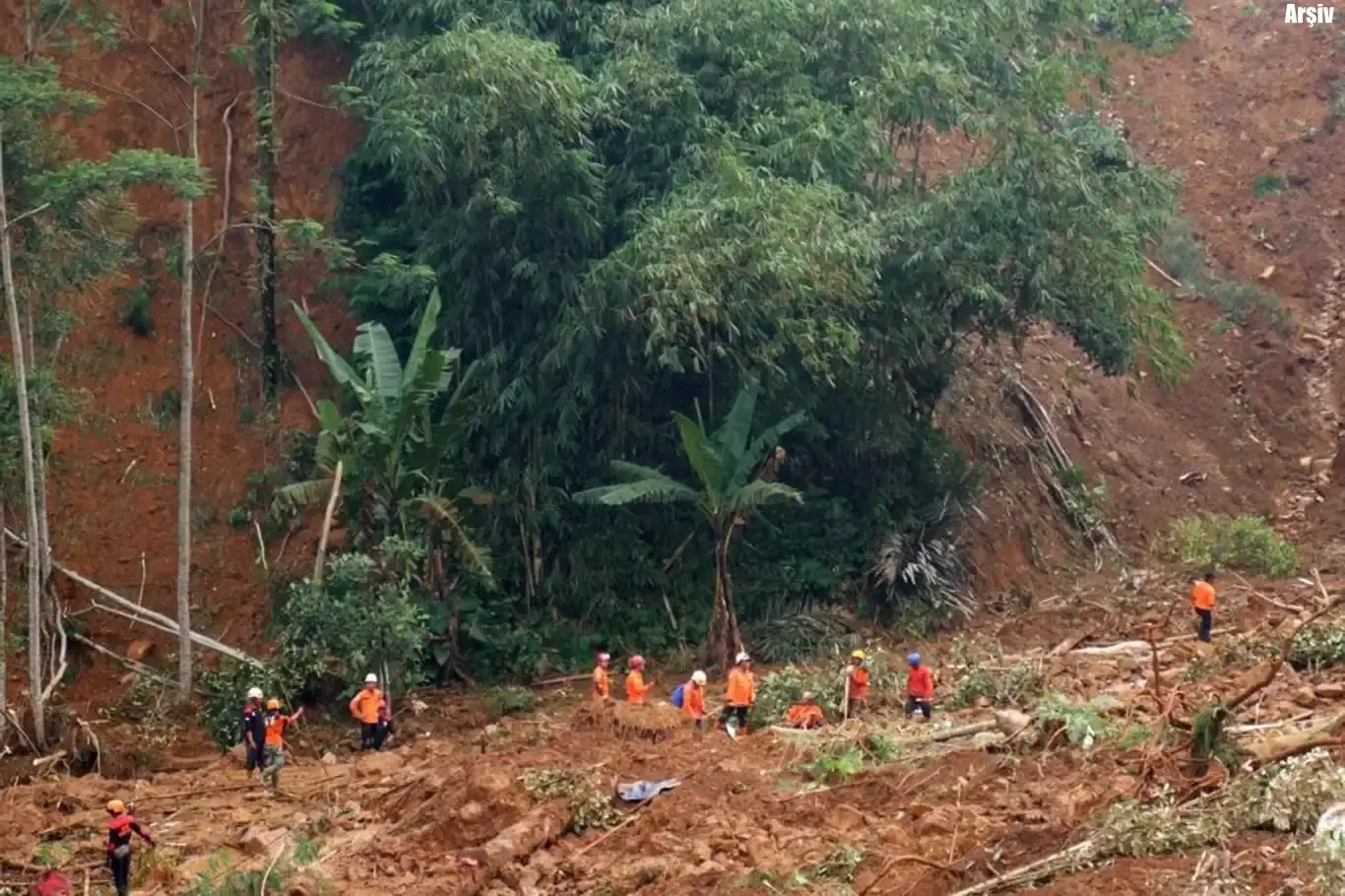
Rescue teams are using high-capacity pumps to remove water from the flooded shafts while attempting to seal openings through which groundwater continues to flow into the mine.
Desiana Kartika Bahari, head of the Jakarta Search and Rescue Agency, said water levels inside the mine remain dangerously high and warned that draining the shafts could take considerable time.
She added that the operation has been complicated by narrow underground passages, slippery conditions, unstable terrain and poor lighting.
Rescuers initially recovered three bodies from depths of between 30 and 40 metres below the surface. As the operation continued, Indonesian authorities confirmed that the death toll had risen to eight, while 18 miners remain missing.
Authorities said efforts to reach those still trapped are continuing despite the challenging conditions.
PT Antam says mine was outside its operations
The flooded mine is located near PT Antam's Pongkor gold mining complex, but the company stressed that the site was not part of its licensed mining operations.
In a statement, PT Antam said the accident occurred at an illegal mining site and confirmed that all of its employees were safe while normal mining activities continued.
The company noted that access to illegal mining sites around the Pongkor area has repeatedly been blocked through security patrols, surveillance cameras and drone monitoring in an effort to prevent unauthorized mining activities.
PT Antam spokesperson Wisnu Danandi Haryanto said the company is nevertheless providing humanitarian assistance and logistical support to the ongoing search and recovery operation.
Illegal mining accidents are relatively common in Indonesia, where abandoned or unlicensed mining sites are frequently operated despite government crackdowns, often exposing miners to landslides, flooding and tunnel collapses.(ILKHA)
LEGAL WARNING: All rights of the published news, photos and videos are reserved by İlke Haber Ajansı Basın Yayın San. Trade A.Ş. Under no circumstances can all or part of the news, photos and videos be used without a written contract or subscription.
At least 19 civilians were reportedly killed and more than 20 others injured in a series of drone attacks targeting residential areas and key infrastructure in Sudan's Blue Nile State, according to eyewitnesses and volunteer organizations.

Japanese Prime Minister Sanae Takaichi has pledged to strengthen Japan's financial support for the International Criminal Court (ICC) following US sanctions against the international tribunal.

Afghanistan's Minister of Rural Rehabilitation and Development, Mullah Abdul Latif Mansoor, has called on the United Nations to prioritize communities facing the greatest hardships when implementing humanitarian and development projects across the country.