Egypt condemns Ethiopia's plans for new Nile dams as water dispute deepens
 13 oC
13 oC 
Güneşli

Egypt has strongly criticized Ethiopia's plans to build additional dams on the Nile River, accusing Addis Ababa of seeking unilateral control over a shared international waterway and warning that such a move would violate international water law.
The reaction came after Ethiopian Water and Energy Minister Habtamu Itefa said on Aug. 15 that Ethiopia intended to construct new dams on the Nile, adding that the projects would allow the country to regulate the river's flow toward downstream nations.
An Egyptian official, quoted by the state-run MENA news agency, rejected the remarks, saying the Nile is a shared international river that cannot be placed under the control of a single country. The official argued that attempts to monopolize the river's resources run contrary to internationally recognized principles governing transboundary waterways.
Dispute extends beyond the Grand Ethiopian Renaissance Dam
Egypt's criticism follows reports in Ethiopian media that the government is planning three additional dams with a combined storage capacity of around 140 billion cubic meters.
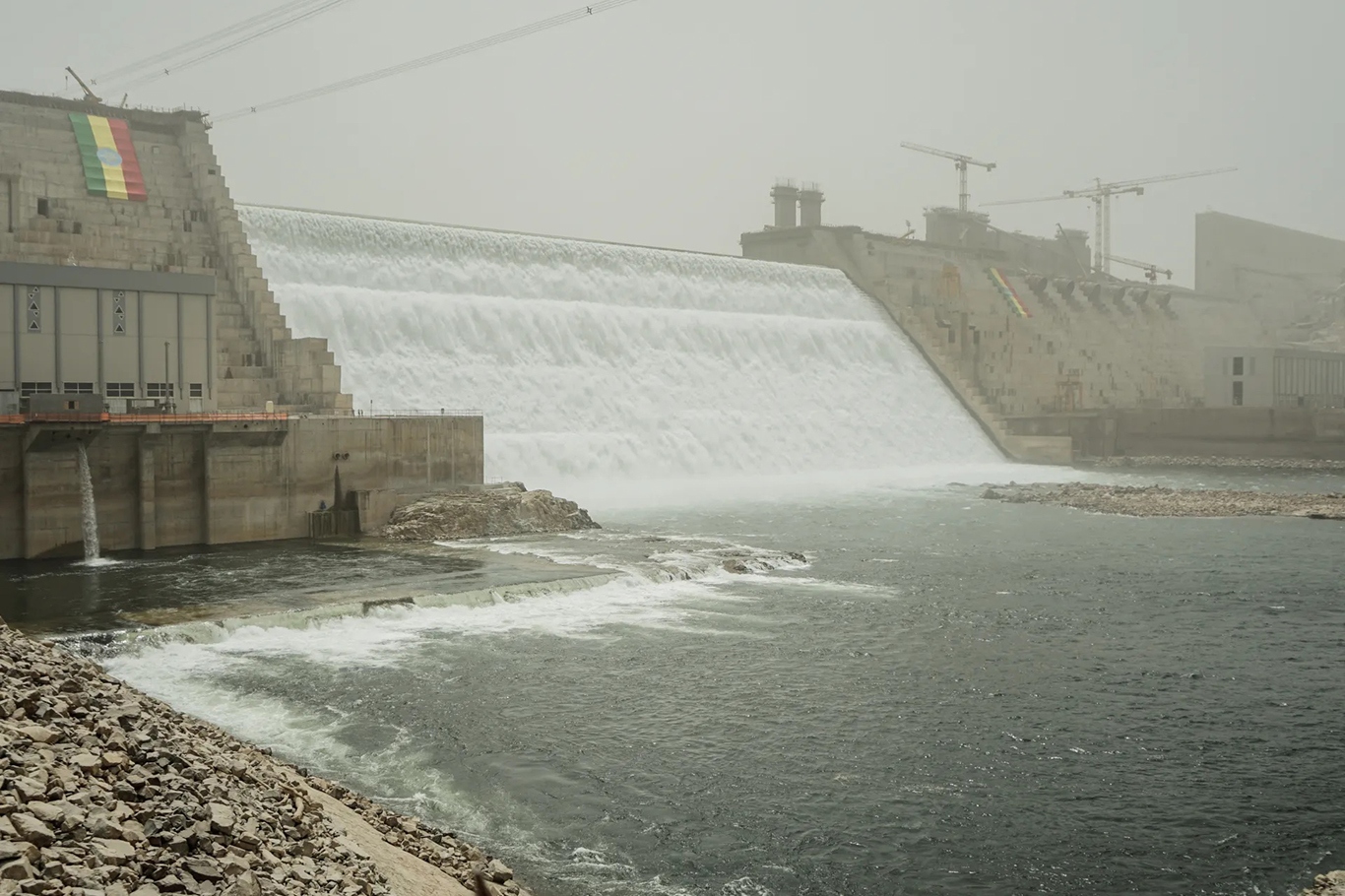
The latest disagreement adds to a years-long dispute involving Egypt, Sudan and Ethiopia over the Grand Ethiopian Renaissance Dam (GERD), a massive hydropower project on the Blue Nile that Ethiopia considers essential for meeting domestic electricity demand and expanding energy exports.
Ethiopia argues that although roughly 80% of the Nile's waters originate within its territory, it has historically benefited from only a small share of the river's resources. Egypt, however, insists that any major upstream project must be coordinated through a legally binding agreement to protect downstream water supplies and safeguard the interests of all riparian states.
Long-running negotiations remain unresolved
Negotiations among Egypt, Sudan and Ethiopia over the management and operation of the GERD have continued for years without producing a comprehensive agreement.
Egypt has repeatedly warned that unilateral measures affecting the Nile's flow could threaten its water security, while Ethiopia maintains that its hydropower projects are intended for development purposes and will not cause significant harm to downstream countries.
The renewed exchange of statements highlights the continuing tensions surrounding one of Africa's most strategically important shared water resources, with no final settlement yet in sight.(ILKHA)
LEGAL WARNING: All rights of the published news, photos and videos are reserved by İlke Haber Ajansı Basın Yayın San. Trade A.Ş. Under no circumstances can all or part of the news, photos and videos be used without a written contract or subscription.

Pro-Palestine demonstrations swept cities across Latin America and Europe over the weekend, as thousands of people took to the streets to mark three years since the start of Israel’s war on Gaza, demand an end to the ongoing assault and call on governments to halt military and political support for Israel.
Saudi Arabia's General Authority of Civil Aviation (GACA) has extended the suspension of operations at King Khalid International Airport in Riyadh following the deadly attack claimed by Yemen's Ansarullah movement.

The European Union has adopted its 22nd sanctions package against Russia, adding 1,569 individuals and entities to its blacklist in what officials described as the bloc's largest single expansion of sanctions since the start of the war in Ukraine.
Iranian Foreign Ministry spokesperson Esmaeil Baqaei said Monday that security would not return to the strategic Strait of Hormuz as long as the United States continued its war, rejecting Washington’s claims that Tehran had lost its leverage and reaffirming Iran’s determination to defend its legitimate rights.