EU summit ends in deadlock over long-term budget and Ukraine aid
 13 oC

Güneşli

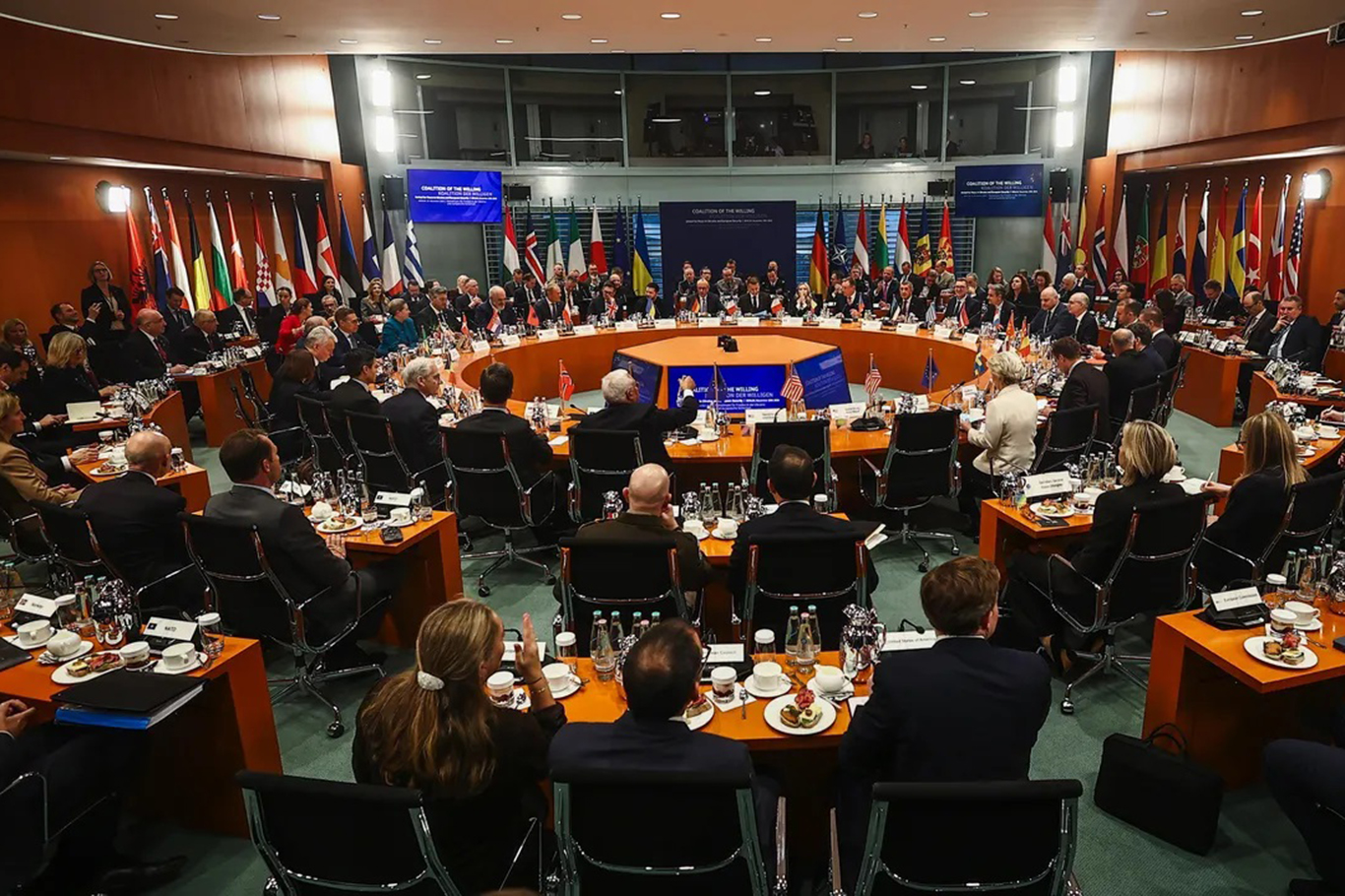
European Union leaders have failed to reach an agreement on the bloc's 2028-2034 long-term budget and a proposed €45 billion loan for Ukraine in 2027, exposing deep divisions among member states over spending priorities and financial support for Kiev.
The special EU summit in Brussels ended early on Friday after more than 12 hours of negotiations, with leaders unable to reach a compromise on the bloc's next seven-year financial framework or resolve disagreements over additional funding for Ukraine.
European Council President Antonio Costa acknowledged the lack of progress at the concluding press conference, saying member states had failed to agree on the three main elements of the proposed budget: its overall size, the distribution of funds among spending priorities and new sources of EU revenue.
The negotiations are scheduled to resume at the European Council summit on Dec. 17-18.
Disagreements derail budget negotiations
EU leaders remained divided over the proposed financial framework, with net contributor countries demanding further spending cuts while countries receiving more EU funding opposed reductions in agricultural support and regional development funds.
Costa said some member states were seeking further reductions in their financial contributions, while most opposed additional cuts and some called for previously proposed reductions to be reversed.
European Commission President Ursula von der Leyen acknowledged that reaching an agreement on the next seven-year budget would be difficult, despite some progress in discussions over potential new sources of revenue.
The revised budget proposal seeks to balance competing demands for increased spending on defense, security and competitiveness with traditional EU priorities, including agricultural subsidies and regional development.
France has insisted that agricultural funding be protected, while several eastern and central European countries have opposed cuts to the Cohesion Fund, which supports economically weaker regions and reduces development disparities across the bloc.
Germany and other major net contributors, meanwhile, have called for tighter spending limits and lower national contributions.
€45 billion Ukraine loan postponed until December
EU leaders also failed to reach an agreement on a proposed additional €45 billion loan to help cover Ukraine's financial and military needs in 2027.
Costa said 24 of the bloc's 27 member states supported the proposal, while Bulgaria indicated that it would participate only in the non-military component. Hungary, the Czech Republic and Slovakia maintained their opposition to the proposed arrangement.
The decision was therefore postponed until December.
German Chancellor Friedrich Merz said EU leaders had yet to agree on how to finance assistance to Ukraine, although some skeptical member states were exploring possible compromise arrangements over the distribution of costs.
Merz reiterated that financial assistance to Kiev should be provided collectively by the European Union rather than left to individual member states.
The proposed loan is separate from the €100 billion allocation for Ukraine envisaged under the bloc's next seven-year budget. The two financing arrangements have nevertheless become politically linked during negotiations, particularly over how borrowing costs should be distributed among member states.
Merz also said it was too early to discuss specific security guarantees for Ukraine following a potential ceasefire and peace agreement, although he noted that European countries and the United States had reached a general understanding on the need for long-term guarantees.
Member states divided over spending priorities
The negotiations exposed broader disagreements over the EU's future financial priorities, particularly between countries seeking to limit national contributions and those demanding greater protection for agricultural and regional development spending.
Costa's revised proposal was intended to bridge these differences by reducing the European Commission's original budget proposal while maintaining funding for the bloc's emerging priorities.
Disagreements also persisted over the introduction of new EU revenue sources, including potential levies on digital services, tobacco products, non-recycled electronic waste and carbon emissions.
Von der Leyen said discussions on new revenue sources had made progress, with the proposed digital services levy receiving broad support, although some member states continued to oppose it.
The breakdown of negotiations followed a series of closed-door consultations that failed to bring national leaders closer to a compromise. According to media reports, several countries also boycotted smaller-group discussions proposed by Costa.
With the next negotiations scheduled for Dec. 17-18, EU leaders face mounting pressure to reach an agreement before the end of the year, allowing the bloc's next financial framework to take effect in January 2028.
The failure to resolve the disputes in Brussels leaves both the EU's long-term spending plans and an additional financial lifeline for Ukraine unresolved. (ILKHA)
LEGAL WARNING: All rights of the published news, photos and videos are reserved by İlke Haber Ajansı Basın Yayın San. Trade A.Ş. Under no circumstances can all or part of the news, photos and videos be used without a written contract or subscription.
Turkish Foreign Minister Hakan Fidan, Defense Minister Yaşar Güler and Chief of General Staff General Selçuk Bayraktaroğlu attended the second meeting of a trilateral political and defense committee established under the Makkah Agreement for Joint Defence in Pakistan's capital, Islamabad, on Friday.
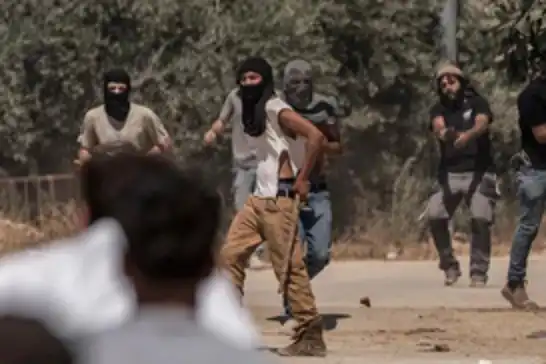
Israeli settlers have carried out a coordinated wave of assaults against Palestinian civilians, homes, vehicles and agricultural lands across five governorates in the occupied West Bank, intensifying concerns over the continued violence, land seizures and forced displacement of Palestinian communities amid a lack of effective accountability for the perpetrators.
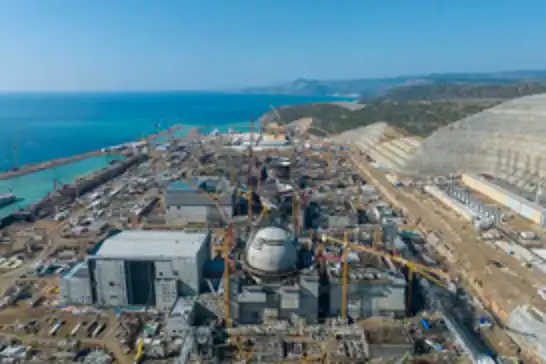
Russian Deputy Prime Minister Alexander Novak said the first power unit of Türkiye's Akkuyu Nuclear Power Plant (NPP) is expected to be commissioned in December 2026, describing the project as the flagship of nuclear energy cooperation between Türkiye and Russia.