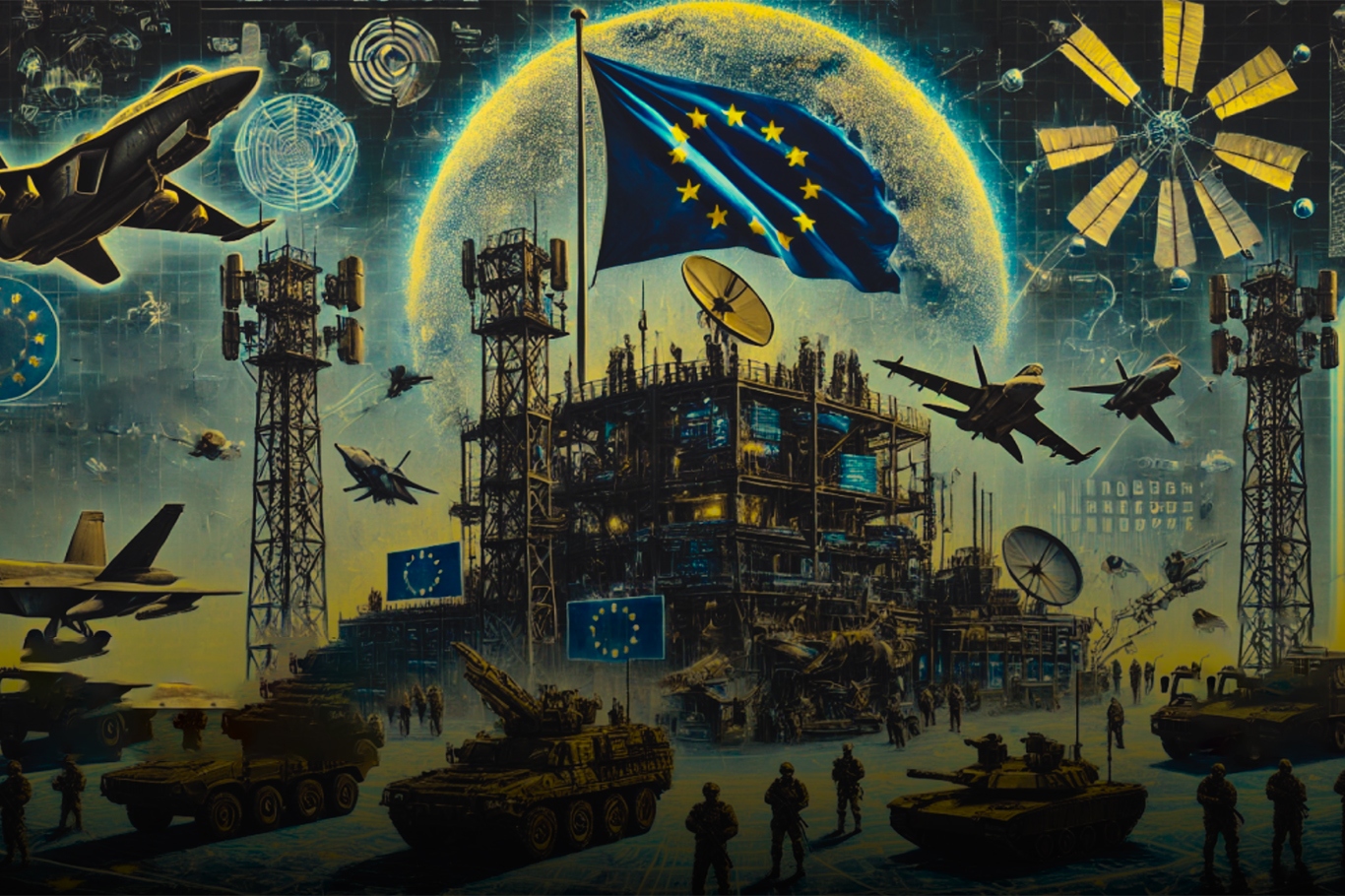
Europe’s arms race accelerates as Germany ramps up defense spending
 13 oC
13 oC 
Güneşli

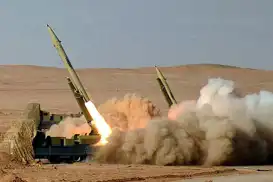
The war triggered by Russia-Ukraine War has driven a sharp increase in military spending across Europe, with Germany emerging as one of the leading actors in the continent’s rearmament trend.
Since the outbreak of the war on February 24, 2022, Berlin has embarked on an unprecedented military buildup, marking a historic shift in its post-World War II defense posture.
Following the invasion, then-Chancellor Olaf Scholz announced a sweeping policy transformation known as Zeitenwende (turning point), pledging to modernize the German armed forces and strengthen national defense capabilities.
As part of this shift, Germany established a special €100 billion fund to upgrade the Bundeswehr, alongside sustained increases in its annual defense budget.
According to official budget plans approved by the German parliament, the country’s defense spending has continued to rise steadily. For 2026, Germany has allocated more than €80 billion in its core defense budget, supplemented by tens of billions of euros from the special fund, bringing total military-related expenditures to well over €100 billion.
International defense analyses indicate that Berlin is also preparing large-scale procurement programs. Reports suggest that Germany plans to sign tens of billions of euros worth of arms contracts in the coming years, with a significant share directed toward European defense industries.
Germany’s long-term objective is to further expand its military spending, with projections indicating that annual defense expenditures could reach up to €150 billion by the end of the decade, in line with NATO capability targets and evolving security concerns in Europe.
Experts note that Germany’s rapid militarization reflects broader trends across the continent, as European countries respond to heightened geopolitical tensions and perceived security threats following the Russia-Ukraine war.
However, the surge in defense spending has also sparked debate within Germany. Critics, including members of opposition parties, have raised concerns about transparency, oversight, and the long-term economic implications of sustained military expansion.
Despite these concerns, Berlin continues to position itself as a central pillar of Europe’s security architecture, signaling that the era of limited German military engagement has come to an end. (ILKHA)
LEGAL WARNING: All rights of the published news, photos and videos are reserved by İlke Haber Ajansı Basın Yayın San. Trade A.Ş. Under no circumstances can all or part of the news, photos and videos be used without a written contract or subscription.
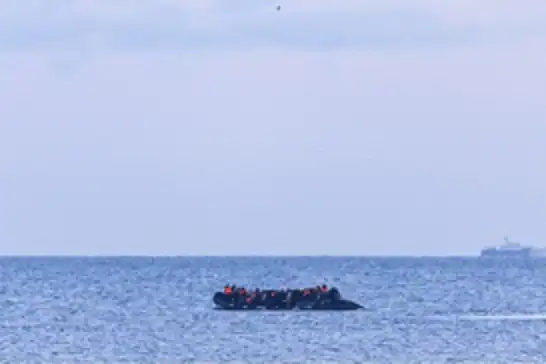
Three migrants, including a 10-year-old child, died Monday after a small boat carrying more than 100 people encountered difficulties while attempting to cross the English Channel from northern France to the United Kingdom, French authorities said.
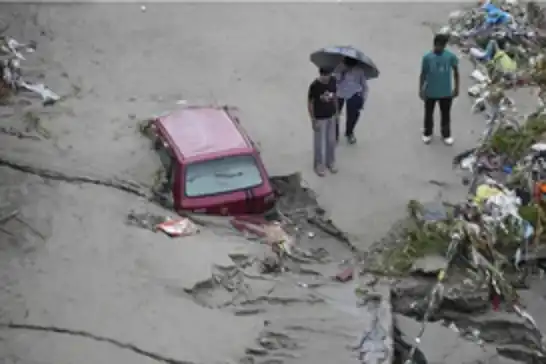
The death toll from severe flooding triggered by heavy monsoon rains in India's northern Uttar Pradesh state has risen to 81, while 62 others have been injured.
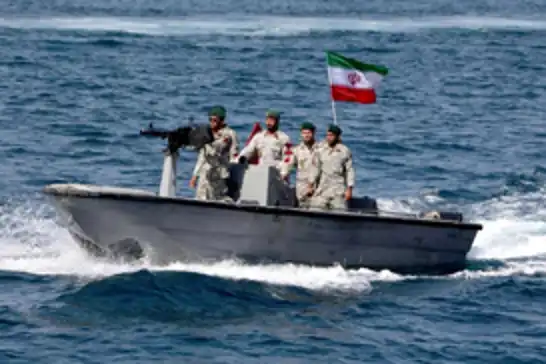
Eight US Marines were injured during an operation carried out by the Islamic Republic of Iran against a vessel in the Strait of Hormuz on September 14, according to reports.
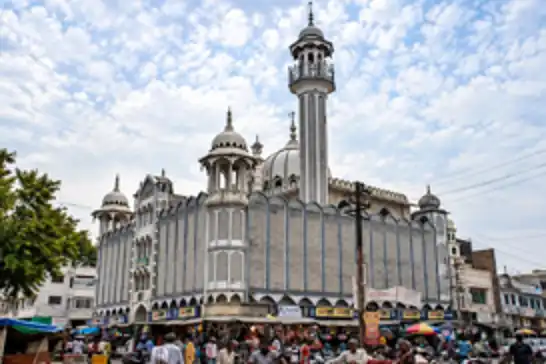
Hundreds of Muslims gathered inside the historic Shahi Masjid in Ujjain, Madhya Pradesh, to oppose plans to remove part of the mosque as part of a road-widening project being carried out ahead of the 2028 Simhastha Kumbh pilgrimage.