France to accelerate missile deliveries to Ukraine amid Russian strikes
 13 oC
13 oC 
Güneşli

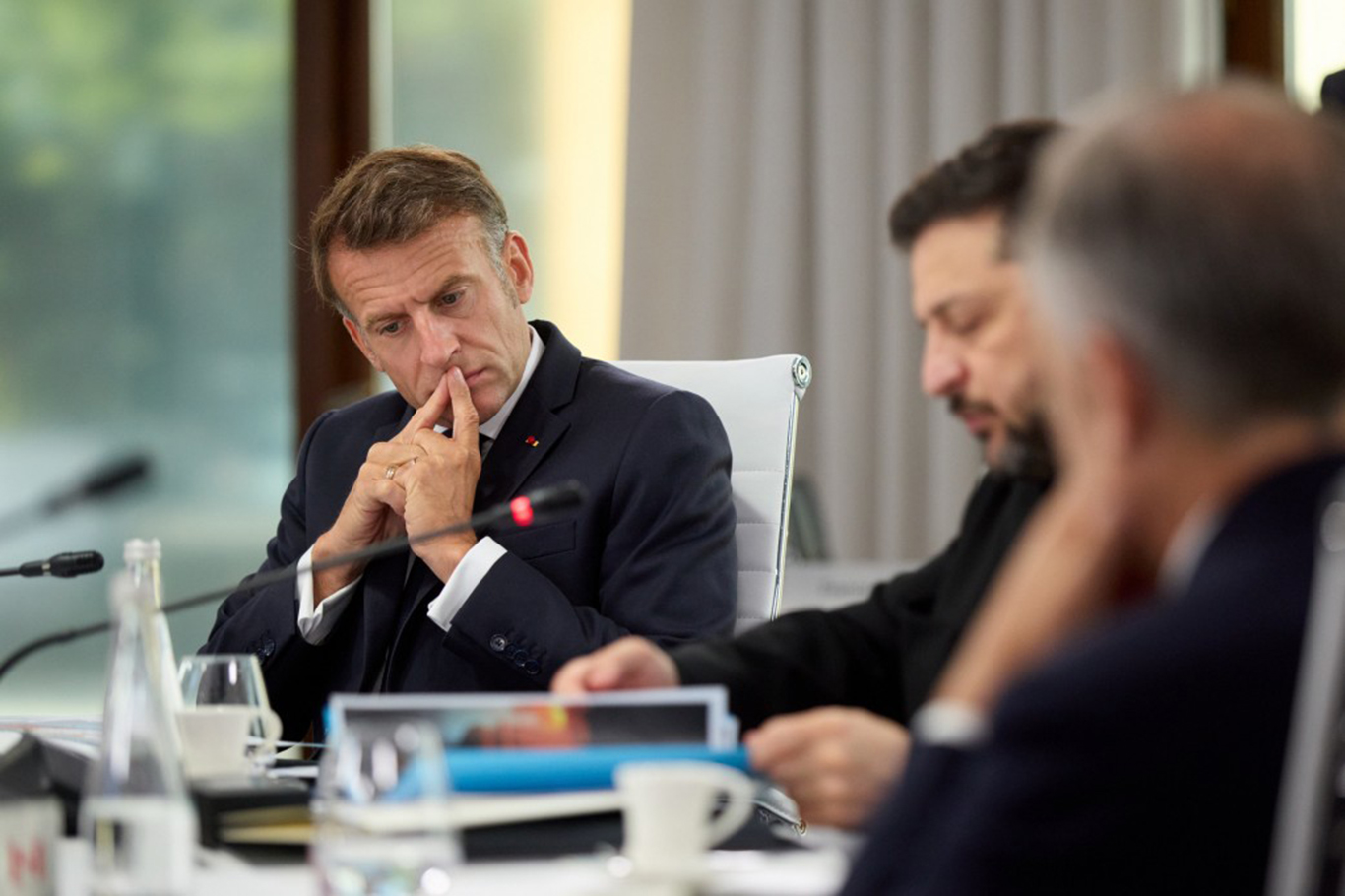
France will accelerate the delivery of missiles and other military equipment to Ukraine following a nearly two-hour phone call between Ukrainian President Volodymyr Zelensky and French President Emmanuel Macron on Saturday.
Macron said France would strengthen its military support for Kyiv, particularly by providing air defense interceptors, as Ukraine faces increasingly intense Russian attacks targeting its cities and civilian infrastructure.
“It is crucial to provide Ukraine with all the necessary means to defend its skies and thwart this aggression,” Macron said in a social media post following the call, adding that he had informed Zelensky of France’s decision to strengthen its support through the delivery of interceptors.
The French president’s pledge came after a series of deadly Russian strikes across Ukraine in recent days.
Zelensky said Macron had also agreed to assist Ukraine in discussions with international partners that possess Patriot air defense systems. Kyiv has repeatedly emphasized that additional Patriot systems and interceptor missiles are essential to protect Ukrainian cities from Russian ballistic missile attacks.
The Ukrainian president also thanked Macron for France’s decision to grant licenses enabling Ukraine to manufacture missiles domestically.
Last month, Paris granted Ukraine a license to produce ASTER missiles used by SAMP/T air defense systems, as well as SCALP cruise missiles. The move is part of broader efforts by Kyiv and its European partners to expand Ukraine’s domestic defense production capabilities.
Zelensky also held meetings on Saturday with German Foreign Minister Johann Wadephul and former US envoy to Ukraine Gen. Keith Kellogg, who were visiting Ukraine.
During his meeting with Kellogg, Zelensky said the two sides discussed Ukraine’s efforts with European partners to develop an anti-ballistic defense system.
However, he stressed that Ukraine urgently needs additional Patriot interceptors ahead of the winter season.
“I informed the general about our work with Europeans to create an anti-ballistic system, but for getting through this winter, supplying interceptors for Patriot systems is essential,” Zelensky said.
He added that Ukraine was prepared to purchase the missiles and that international efforts to secure additional supplies were important.
Following his meeting with Wadephul, Zelensky said Germany and Ukraine were ready to formally sign an agreement on drone production.
The two countries agreed last month to jointly produce high-speed BARS jet-powered drones, with Germany expected to finance the project during its initial phase.
The agreements form part of Kyiv’s broader effort to deepen defense cooperation with European allies and increase domestic production of weapons and military equipment.
Ukraine has increasingly warned that Russia is exploiting gaps in its ballistic missile defenses to carry out frequent and powerful attacks against Ukrainian cities.
Recent strikes have caused significant civilian casualties.
A Russian attack on a shopping center in Kryvyi Rih on Aug. 21 killed 16 people, while another ballistic missile strike on Kyiv on Aug. 20 killed 15 people and damaged a children's hospital.
Against this backdrop, Kyiv has intensified calls on its European and US partners to provide additional air defense systems and interceptor missiles, which Ukrainian officials say are critical to protecting civilians from further Russian missile attacks. (ILKHA)
LEGAL WARNING: All rights of the published news, photos and videos are reserved by İlke Haber Ajansı Basın Yayın San. Trade A.Ş. Under no circumstances can all or part of the news, photos and videos be used without a written contract or subscription.
Iranian Foreign Minister Abbas Araghchi has met with U.S. Special Envoy Steve Witkoff on the sidelines of the United Nations General Assembly in New York, with the Iranian side using the encounter to communicate Tehran’s conditions for reopening the strategically vital Strait of Hormuz, Iranian television reported.
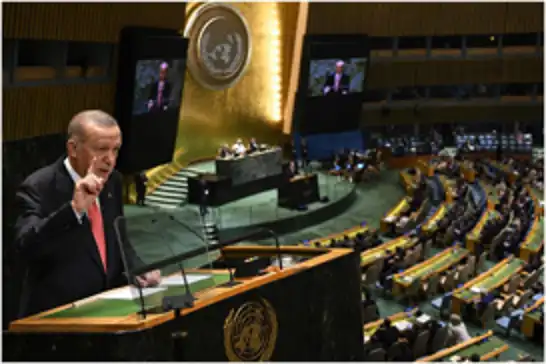
Turkish President Recep Tayyip Erdoğan has called for fundamental reforms to the international system, arguing that international law cannot be applied differently to powerful and weaker states, while urging the international community to increase pressure on Israel and support the reconstruction of Gaza.
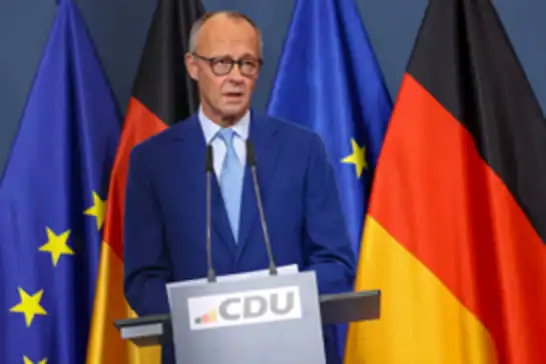
Public dissatisfaction with German Chancellor Friedrich Merz continues to grow, with a new opinion poll showing that a majority of respondents believe he should step down from office.
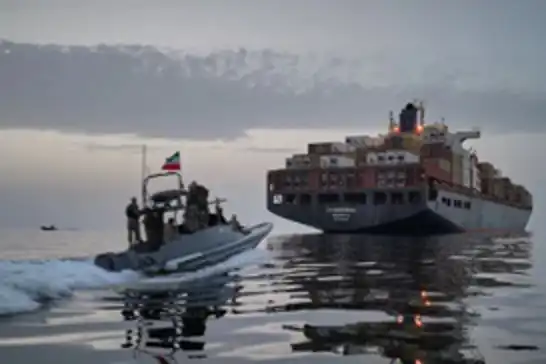
Iran’s Parliament has moved forward with new measures aimed at strengthening security, legal oversight and sustainable development in the strategically vital Strait of Hormuz, approving key provisions of a proposed law designed to regulate maritime passage and protect the interests of the Islamic Republic.