French students vow to continue protests despite government reform pledges
 13 oC

Güneşli

Student representatives in France have announced that they will continue protests against the government despite a package of education reforms, arguing that the measures announced by authorities fail to address their main demands.
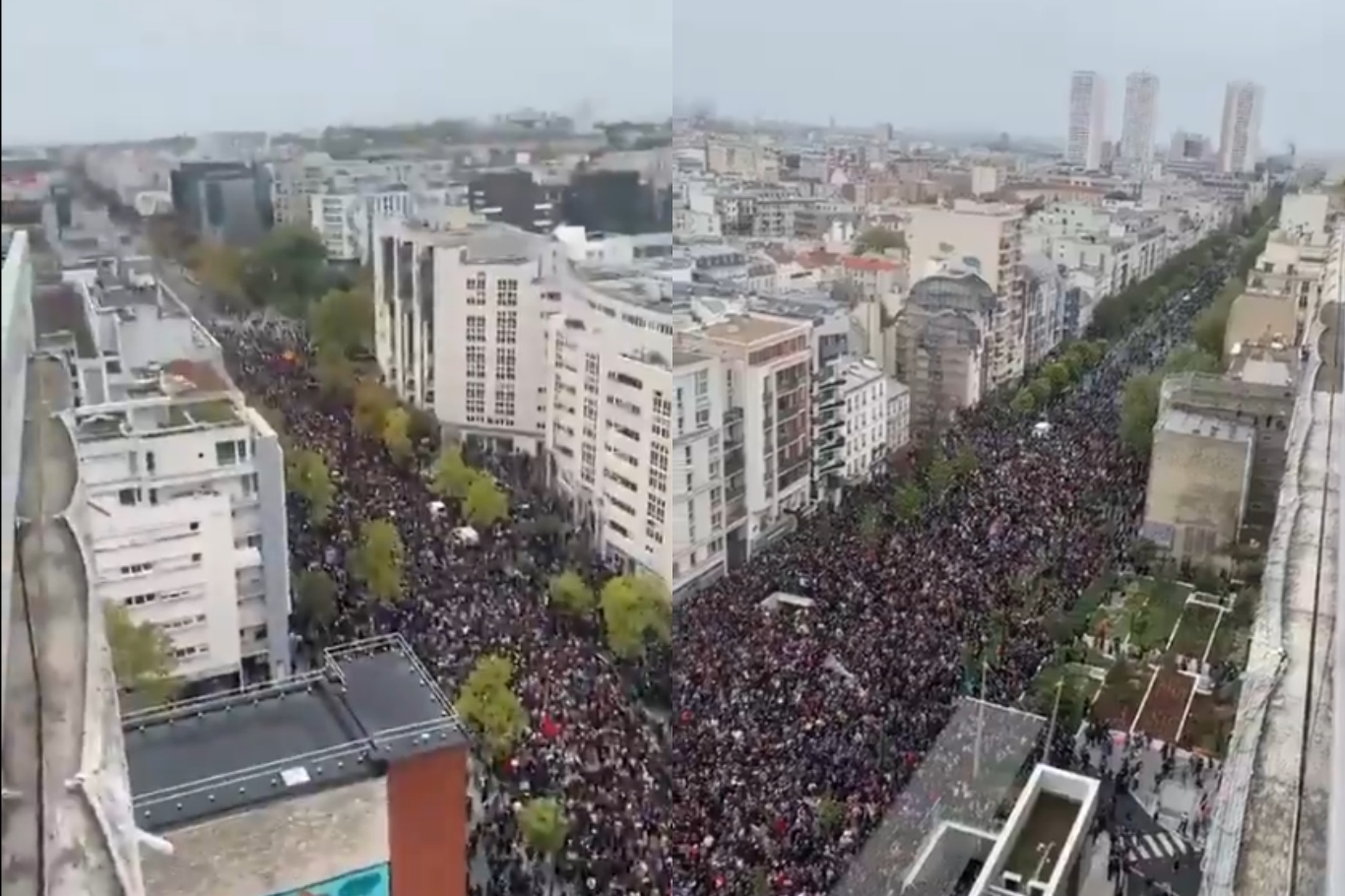
The demonstrations, which began over concerns about education conditions and rising living costs, have expanded with the involvement of trade unions and activists linked to the Yellow Vest movement, increasing pressure on President Emmanuel Macron's government.
The government recently announced a series of measures, including reforms to the Parcoursup university admissions platform, additional higher education places, increased student grants, smaller secondary school classes and major investments in education infrastructure.
Students reject government measures as insufficient
Student representatives said the government's proposals only partially respond to their demands and called for protests to continue.
Louis Letoublon, a representative of high school students, said after talks with the government that not all demands had been met and that mobilisation would continue.
Student groups have criticised the planned creation of 15,000 additional university places, saying the figure falls far short of their demand for around 250,000 new places. They have also argued that delaying the full replacement of the Parcoursup system until 2028 does not provide an immediate solution to current problems.
Protests escalate amid wider social tensions
The protests have grown beyond education issues, with wider concerns over public spending, living costs and social inequality contributing to the unrest.
Demonstrations have also seen incidents of violence in several cities. Authorities reported that 1,435 people were detained during the latest weekend of protests, while Interior Minister Laurent Nunez said clashes occurred in some areas between far-right groups and far-left activists.
President Macron said security measures would remain in place and that authorities would continue efforts to prevent violence and keep demonstrations away from sensitive areas.
Economic pressure increases on government
The protests are adding further pressure on the French economy, with public debt approaching around 120 per cent of GDP, limiting the government's ability to respond through additional spending.
Business representatives have warned that security concerns linked to demonstrations have forced many shops to close and caused significant losses in sales.
The unrest has also become a political issue ahead of the 2027 presidential election, with far-right leader Marine Le Pen seen as benefiting from growing public dissatisfaction. Recent polling cited by French media showed Le Pen receiving support of around 32 to 33.5 per cent, while left-wing rival Jean-Luc Melenchon was measured at around 17 per cent.
A new nationwide protest day is planned for 5 November, as student groups and other participants continue to demand further action from the government.(ILKHA)
LEGAL WARNING: All rights of the published news, photos and videos are reserved by İlke Haber Ajansı Basın Yayın San. Trade A.Ş. Under no circumstances can all or part of the news, photos and videos be used without a written contract or subscription.
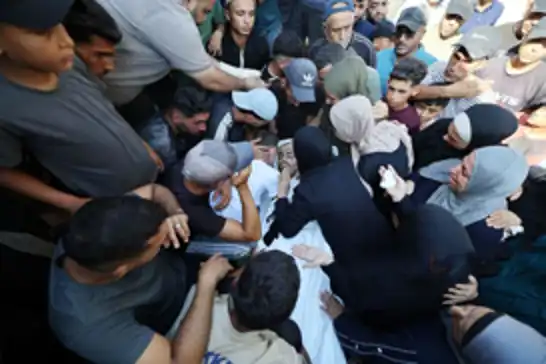
The death toll from Israel’s genocidal war on the Gaza Strip has risen to 74,561 since October 7, 2023, while the number of Palestinians wounded has reached 175,759, according to the Gaza Health Ministry on Tuesday.
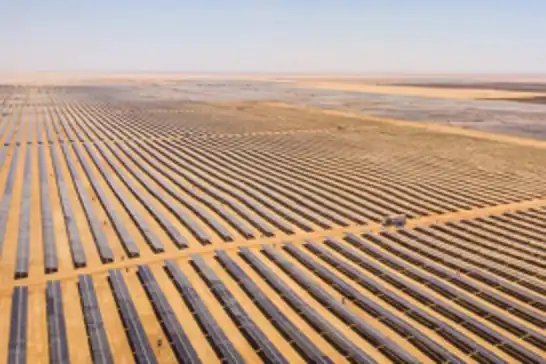
Egypt has signed a preliminary financing agreement with Norway’s Scatec and three multilateral development banks for a $650 million solar power project in the southern province of Qena, as Cairo seeks to expand renewable energy production and reduce its reliance on natural gas imports.
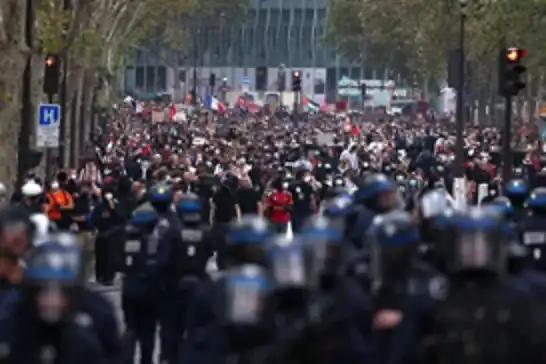
The French government has announced a package of education reforms, including a major overhaul of the Parcoursup university admissions platform, following nationwide student protests over the education system and rising living costs.