Gaza faces looming water catastrophe as fuel shortages force desalination plants to shut down
 13 oC
13 oC 
Güneşli

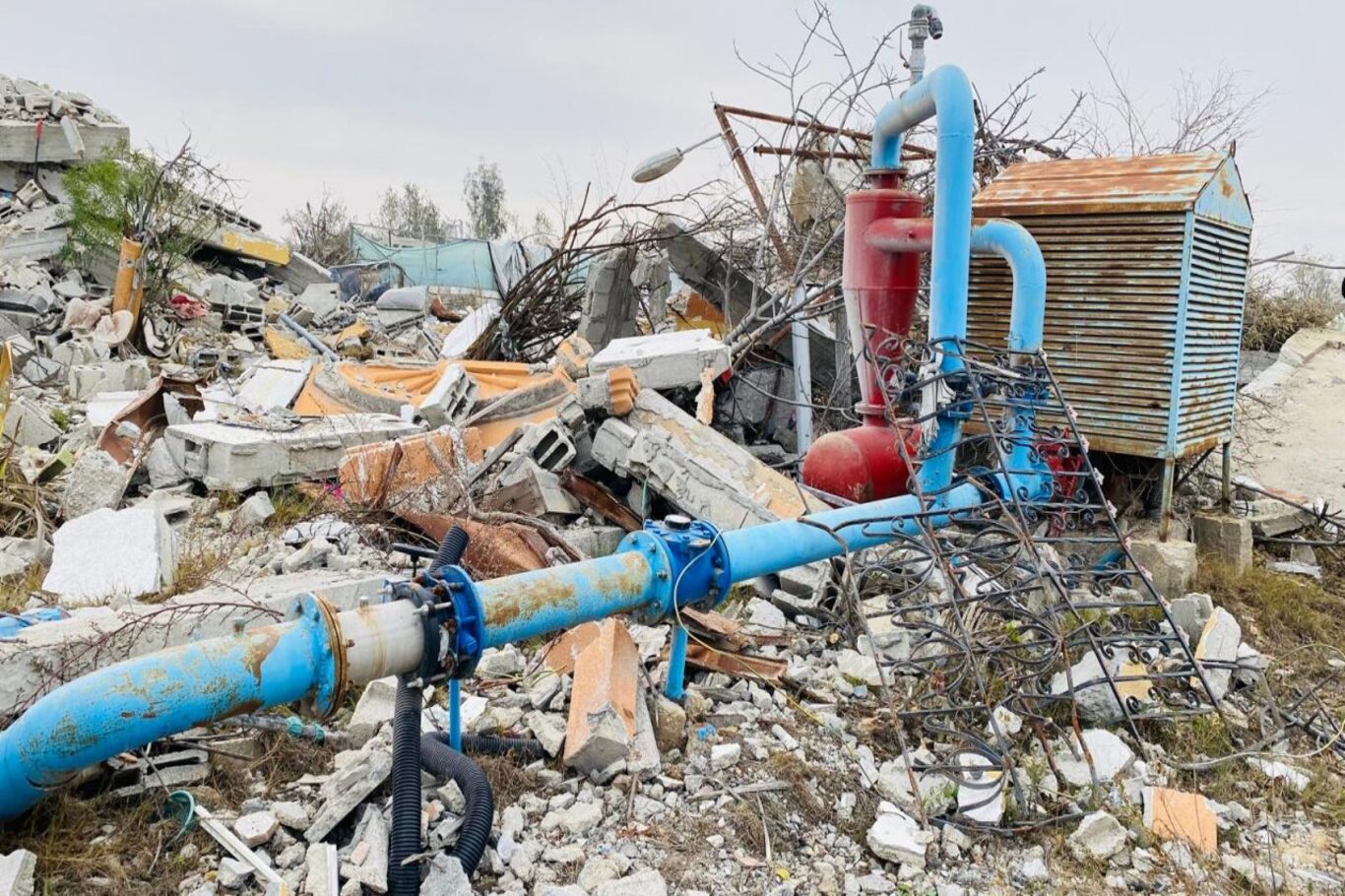
Gaza's already devastated humanitarian situation is rapidly deteriorating as critical water desalination facilities are shutting down due to severe fuel shortages, threatening hundreds of thousands of Palestinians with the loss of access to safe drinking water.
The Association of Water Desalination Stations in the Gaza Strip warned on Saturday that the enclave is on the brink of an unprecedented water crisis after several desalination plants ceased operations over the past two days when their fuel reserves were completely exhausted.
In a statement addressed to government institutions, humanitarian agencies, and international organizations, the association described the situation as a looming humanitarian catastrophe that could have devastating consequences for Gaza's civilian population, which has already endured months of war, displacement, and the systematic destruction of essential infrastructure.
According to the association, a representative of UNICEF informed operators of the desalination facilities on Thursday that the agency was unable to secure sufficient diesel fuel to keep the plants running. The development has raised alarm among aid organizations and local officials, who warn that the shutdown of the facilities will deprive hundreds of thousands of Palestinians of their primary source of potable water.
The association stressed that the vast majority of Gaza's residents rely heavily on desalination stations for their daily water needs due to the collapse of municipal water systems and the contamination of much of the territory's groundwater supplies. As a result, even temporary interruptions in desalination operations pose a direct threat to public health and water security.
Humanitarian organizations have repeatedly warned that restrictions on fuel deliveries into Gaza have crippled hospitals, water facilities, sewage treatment plants, and other life-saving services. Medical experts caution that prolonged shortages of clean water could trigger outbreaks of disease, particularly among displaced families living in overcrowded shelters and makeshift camps.
Palestinian officials and aid groups have accused Israel's blockade and restrictions on essential supplies entering the territory of deepening the humanitarian crisis. They argue that fuel is not only necessary for transportation and electricity generation but is also indispensable for operating water facilities, hospitals, and emergency response services.
The association called for immediate international intervention to ensure the delivery of fuel to Gaza's desalination stations and to guarantee the uninterrupted operation of facilities that provide drinking water to the population. It warned that without urgent action, the current crisis could escalate into a full-scale humanitarian disaster, placing countless lives at risk.
International relief agencies have repeatedly appealed for unrestricted humanitarian access to Gaza, emphasizing that access to clean water is a fundamental human right and that civilians should never be deprived of essential services during times of conflict.
As fuel supplies continue to dwindle and critical infrastructure edges closer to collapse, Palestinians in Gaza face yet another chapter in a humanitarian ordeal that aid organizations say is among the gravest in modern history. (ILKHA)
LEGAL WARNING: All rights of the published news, photos and videos are reserved by İlke Haber Ajansı Basın Yayın San. Trade A.Ş. Under no circumstances can all or part of the news, photos and videos be used without a written contract or subscription.
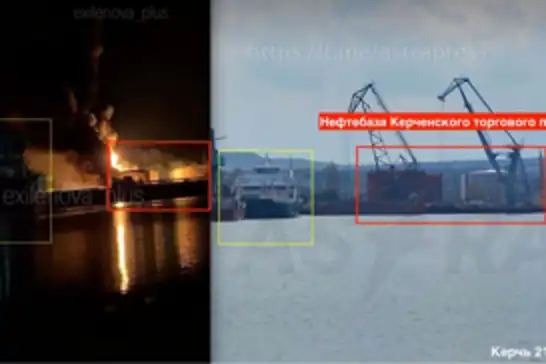
The Ukrainian Defense Forces carried out overnight drone and missile strikes on the port of Kerch in Russian-occupied Crimea and Port Kavkaz in Russia’s Krasnodar region, triggering large fires at critical fuel infrastructure on both sides of the Kerch Strait.

Iranian and US delegations have arrived in Switzerland for peace talks, marking a new phase in diplomatic efforts following four months of war and a temporary ceasefire between the two countries.

US Vice President JD Vance departed Washington on Saturday for Switzerland, where negotiations with Iran are expected to begin as part of renewed diplomatic efforts to address Tehran's nuclear program and regional security concerns.