Germany announces more than €1.3 billion in new aid package for Ukraine
 13 oC
13 oC 
Güneşli

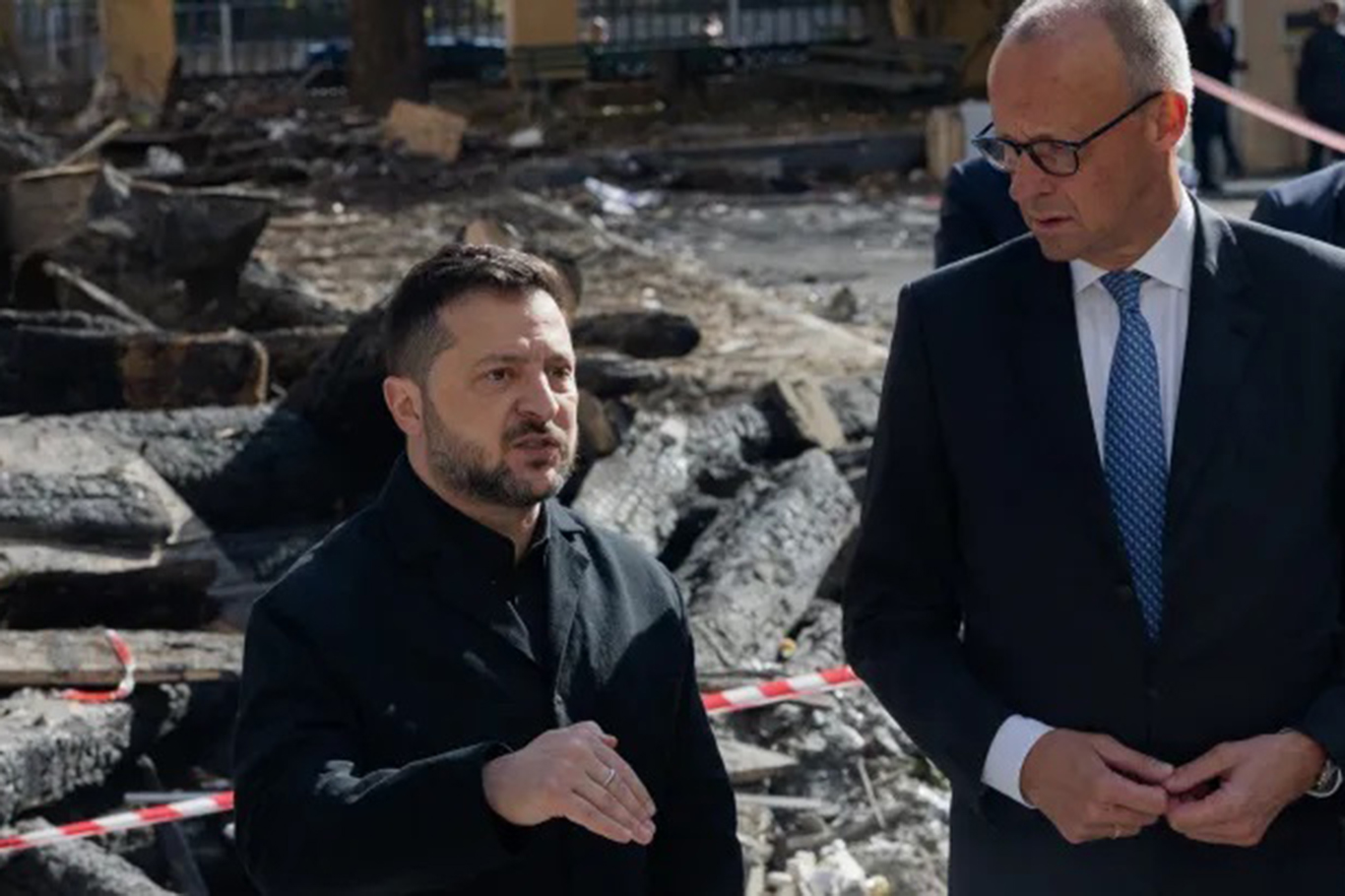
Germany announced a new support package worth more than €1.3 billion ($1.46 billion) for Ukraine on Sunday, including military assistance, interceptor drones and aid for the country’s energy infrastructure.
The package was announced by Ukrainian President Volodymyr Zelensky and German Chancellor Friedrich Merz during a joint press conference in Kyiv.
Zelensky said the agreements reached during Merz’s visit had a combined value of more than €8.5 billion ($9.57 billion), describing the new arrangements as an important step in strengthening bilateral defense cooperation.
“A special agreement was signed that creates more opportunities for our joint counter-drone efforts,” Zelensky said.
According to Merz, the defense component of the package is worth around €1 billion ($1.13 billion). It includes weapons for immediate use, thousands of missiles for Germany-made IRIS-T air defense systems and additional IRIS-T fire units.
The package will also finance the production of interceptor drones designed to counter Russian jet-powered attack drones, which have increasingly been used in attacks against Ukrainian targets.
European drone manufacturer Quantum Systems will receive German financing to produce tens of thousands of interceptor drones in Ukraine. The program is intended to strengthen Ukraine’s ability to respond to evolving aerial threats and expand domestic production of unmanned defense systems.
The companies also signed agreements aimed at developing new drone technologies. Quantum Systems and Ukrainian defense company Fire Point signed a memorandum of understanding on Oct. 4 to cooperate on unmanned systems.
Germany will provide an additional €350 million ($394 million) in energy assistance, including support for generators and repairs to energy infrastructure damaged by Russian attacks.
Merz said the assistance was aimed at helping Ukraine protect and restore its power infrastructure ahead of the winter months.
Several other German and Ukrainian defense companies also signed agreements during the chancellor’s visit.
Ukraine’s Culver Aerospace signed a letter of intent with German defense technology company Helsing to cooperate on the mass production of long-range strike systems for Ukraine.
Meanwhile, Ukraine’s Roboneers signed a memorandum of understanding with Germany’s ARX Robotics to cooperate on the development of ground-based unmanned systems.
German and Ukrainian companies also reached a framework agreement covering the development and production of 25 mm and 40 mm air defense systems, as well as 155 mm artillery systems.
The agreements underscore Germany’s continued support for Ukraine’s military capabilities and critical infrastructure as Kyiv seeks to strengthen its defenses against Russian attacks and expand domestic defense production. (ILKHA)
LEGAL WARNING: All rights of the published news, photos and videos are reserved by İlke Haber Ajansı Basın Yayın San. Trade A.Ş. Under no circumstances can all or part of the news, photos and videos be used without a written contract or subscription.
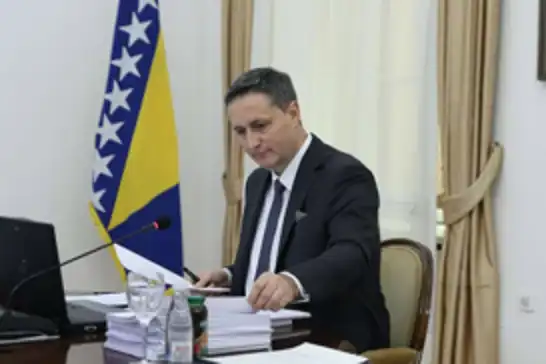
Bosnia and Herzegovina’s election has left Bosniak political forces at the center of the country’s political landscape, while entrenched ethnic divisions and obstruction from Serb nationalist forces continue to complicate Sarajevo’s efforts to advance toward European Union membership.

Five workers have been killed after a mine collapsed in Afghanistan’s northern Takhar province, local media outlet TOLOnews reported Saturday.

Iranian Parliament Speaker Mohammad Baqer Qalibaf said Sunday that Tehran would continue confronting its adversaries while pursuing both military preparedness and diplomatic efforts, accusing the United States of trying to pressure Iran through contradictory messages and threats.