Guterres: World needs peace more than ever amid escalating global conflicts
 13 oC
13 oC 
Güneşli

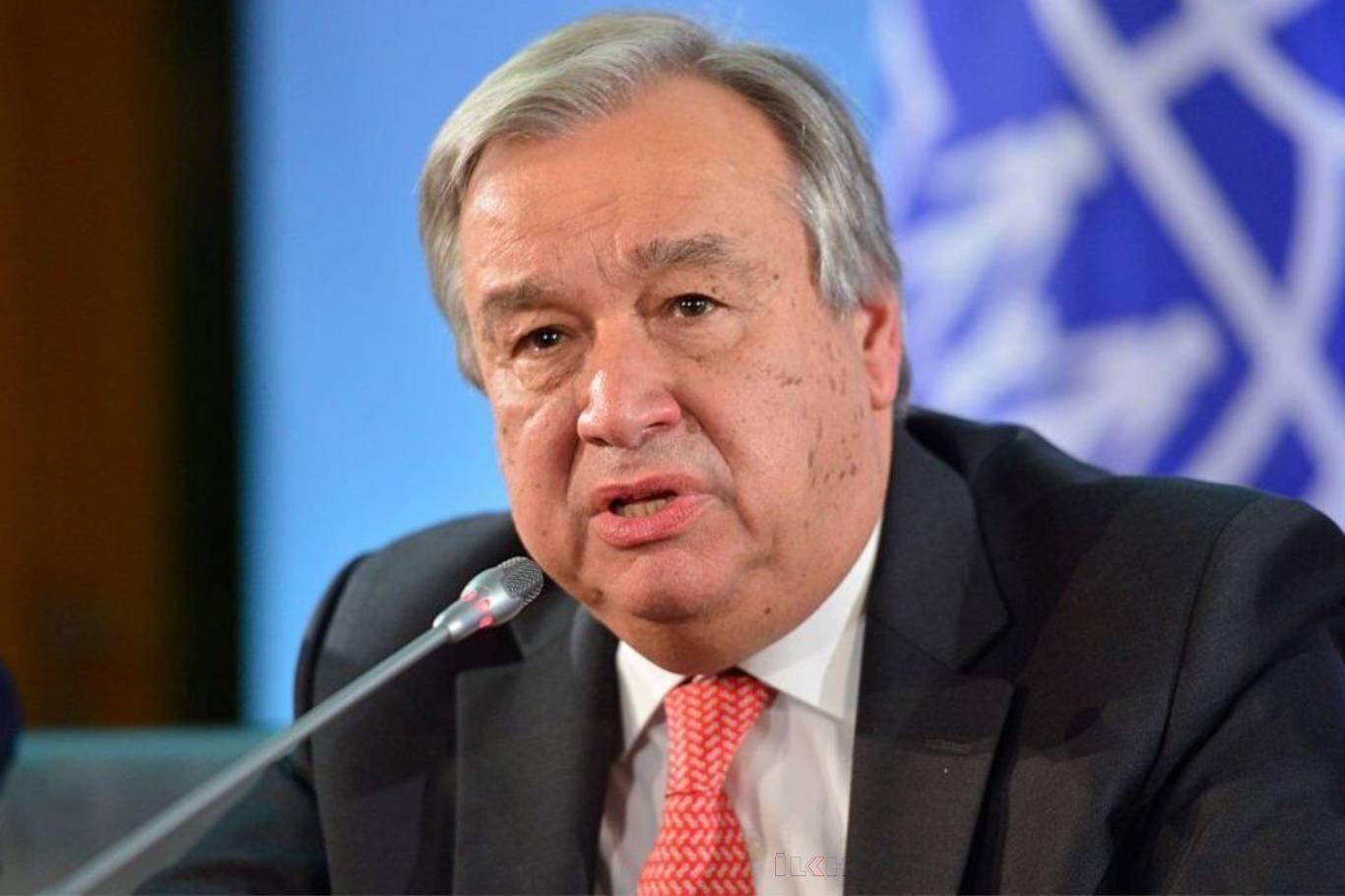
UN Secretary-General António Guterres has warned that the world needs peace more than ever as conflicts continue to cause widespread suffering in Gaza, Ukraine, Sudan and other regions.
Speaking at the BRICS Summit in New Delhi, Guterres called on governments to uphold the principles of the UN Charter and international law, respect national sovereignty and territorial integrity, and resolve disputes through peaceful means.
“With wars continuing in Gaza, Ukraine, Sudan and beyond, the need for peace has never been greater,” Guterres said, stressing that international cooperation and respect for the rules-based international order are essential to preventing further escalation.
The UN chief has repeatedly warned that civilians are bearing the greatest burden of conflicts around the world. In recent remarks, he said wars were multiplying and becoming more complex and deadly, while hunger and humanitarian suffering were deepening from Gaza to Ukraine and Sudan.
Guterres has also urged governments to ensure that the UN Charter is applied consistently, arguing that sovereignty, territorial integrity and the peaceful settlement of disputes must not depend on a country's political power or geographic location.
“The Charter remains humanity’s best hope for peace,” Guterres said in a recent address, while warning that its effectiveness depends on the willingness of states to uphold its principles.
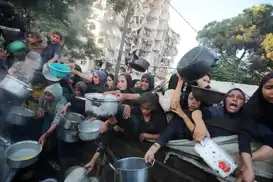
Gaza remains among the most serious humanitarian crises confronting the international community. Guterres has called for humanitarian assistance to reach civilians without obstruction and has repeatedly stressed the need for a lasting political settlement based on international law. He has also described the scale of death and destruction in Gaza as unprecedented during his tenure as UN secretary-general.
In Ukraine, the UN continues to call for an immediate and comprehensive ceasefire followed by a just and lasting peace consistent with the UN Charter and international law. Guterres has welcomed recent diplomatic efforts aimed at bringing Kyiv and Moscow back to negotiations while expressing concern over continuing attacks on civilians and civilian infrastructure.
Sudan, meanwhile, remains gripped by a devastating war that has generated a vast humanitarian crisis. The UN has called for an immediate cessation of hostilities, protection of civilians and an inclusive, Sudanese-led political process.
Guterres' latest appeal for peace comes as he also pushes for reforms to international institutions, including the UN Security Council.
Addressing BRICS leaders, he said the world is increasingly becoming multipolar and argued that global institutions created in the aftermath of World War II must adapt to today's economic, demographic and geopolitical realities.
He has argued that stronger and more representative multilateral institutions are needed to address conflicts, climate change, development challenges and other global crises.
The UN chief's appeal comes ahead of the 81st session of the UN General Assembly, which will bring world leaders together in New York from September 18 to 28 under a renewed focus on international cooperation, peace, dignity and equality.
Guterres has repeatedly stressed that ending wars requires more than silencing weapons, saying political dialogue, respect for international law and meaningful diplomacy are essential to building lasting peace. (ILKHA)
LEGAL WARNING: All rights of the published news, photos and videos are reserved by İlke Haber Ajansı Basın Yayın San. Trade A.Ş. Under no circumstances can all or part of the news, photos and videos be used without a written contract or subscription.

At least 21 people were killed and three others seriously injured in a three-vehicle collision on the N1 highway in South Africa’s Western Cape province, local authorities and media reported.

Beijing is set to impose sweeping new restrictions on drones, banning the possession, storage and transport of unmanned aircraft and their core components throughout the Chinese capital from November 15, as authorities move to tighten airspace security.
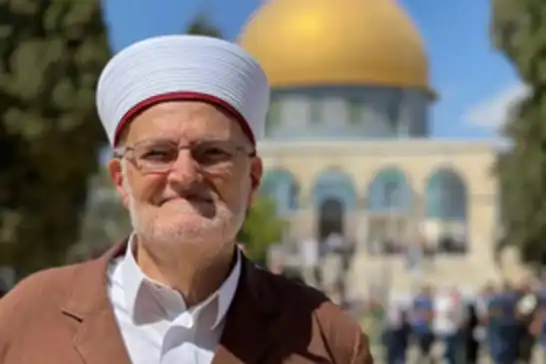
Sheikh Ekrima Sabri, head of the Higher Islamic Council in occupied Jerusalem, has warned that the escalating incursions and violations by Israeli settlers at Al-Aqsa Mosque are part of a gradual effort to impose Israeli control over one of Islam’s holiest sites and undermine its longstanding Islamic status.