Hezbollah leader rejects Lebanon-Israel framework agreement as "surrender of sovereignty"
 13 oC
13 oC 
Güneşli

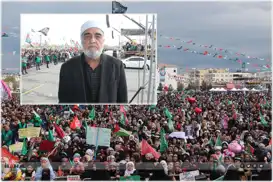
Hezbollah Secretary-General Sheikh Naim Qassem has strongly condemned the newly announced framework agreement between the Lebanese government and the Israeli occupation, describing it as a dangerous surrender of national sovereignty and a political concession imposed under American sponsorship.
Sheikh Qassem accused Lebanese authorities of yielding to Israeli and US pressure at the expense of Lebanon's independence, warning that the agreement risks legitimizing the continued occupation of Lebanese territory and undermining the country's right to self-defense.
Addressing the Lebanese people, Sheikh Qassem argued that the framework agreement reflects what he described as a policy of submission rather than diplomacy, asserting that it grants Israel political gains without securing Lebanon's fundamental rights.
He questioned the government's handling of negotiations and ceasefire arrangements, accusing officials of abandoning their national responsibilities and ignoring opportunities that could have strengthened Lebanon's position in dealing with the occupation.
According to Hezbollah's leader, the agreement strips Lebanon of its ability to independently define its national interests and effectively aligns the country's policies with American and Israeli objectives.
"The Framework Agreement in Washington is one of humiliation, disgrace, and surrender of sovereignty," Sheikh Qassem declared. "This agreement is null and void."
A central component of Hezbollah's position is its rejection of direct political negotiations with Israel.
Sheikh Qassem argued that such talks violate both Lebanon's constitutional principles and the longstanding national consensus that regards Israel as an occupying enemy. He described direct engagement with the occupation as a dangerous precedent that provides concessions without guarantees.
The Hezbollah leader also claimed that a significant portion of the Lebanese population opposes the government's approach, arguing that any agreement reached without broad national consensus lacks legitimacy.
Sheikh Qassem also highlighted the Memorandum of Understanding reportedly reached between Iran and the United States, which included provisions related to ceasefires and regional de-escalation, including in Lebanon.
According to Hezbollah's account, the memorandum provided guarantees aimed at preventing renewed aggression against Lebanon and establishing a framework for Israeli withdrawal from occupied Lebanese territory.
The Hezbollah chief argued that Lebanese authorities weakened their negotiating position by rejecting elements of the arrangement, which he described as a source of political leverage capable of securing stronger protections for Lebanon's sovereignty.
He praised Iran's support for Lebanon and the Resistance, describing Tehran's role as one that strengthened Lebanon's position in the face of Israeli threats and military pressure.
Sheikh Qassem expressed particular concern over provisions that could link any future Israeli withdrawal from Lebanese territory to demands for the disarmament of Hezbollah.
He argued that such conditions effectively allow Israel to dictate Lebanese internal affairs and transform withdrawal from occupied areas into a prolonged and uncertain process.
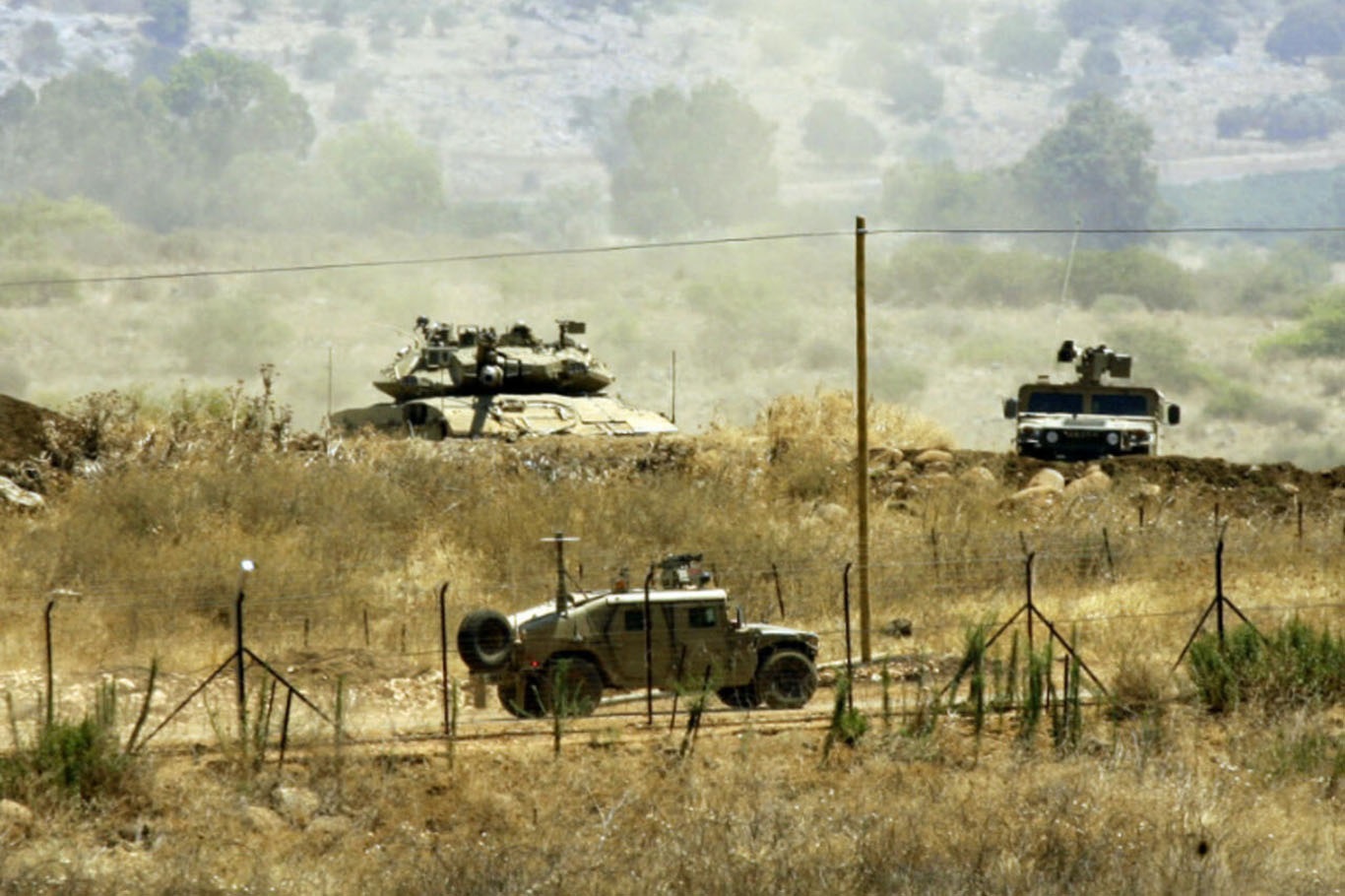
According to Hezbollah, proposals that condition Israeli withdrawal on disarmament amount to an infringement on Lebanese sovereignty and risk entrenching the occupation's presence along the border.
The Hezbollah leader warned that such arrangements could enable Israel to maintain control over occupied areas indefinitely under the pretext of security concerns.
"What is this disastrous downfall? What is this grave mistake of surrendering sovereignty to the Israeli enemy?" he asked.
Reaffirming Hezbollah's longstanding position, Sheikh Qassem insisted that the Resistance's weapons remain essential for defending Lebanon against Israeli aggression and occupation.
He rejected calls for disarmament, arguing that no authority has the right to deprive the Lebanese people of their ability to defend their land and sovereignty.
According to Hezbollah, attempts to weaken the Resistance serve Israeli strategic interests and ignore the sacrifices made by Lebanese fighters and civilians throughout years of confrontation with the occupation.
"The weapons will certainly not be surrendered," Sheikh Qassem said, stressing that resistance remains a legitimate response to occupation and aggression.
Concluding his remarks, Sheikh Qassem vowed that Hezbollah would continue working to secure the complete withdrawal of Israeli forces from Lebanese territory and ensure the implementation of ceasefire provisions that protect Lebanon's sovereignty.
He called on Lebanese authorities to reconsider what he described as strategic mistakes and expressed readiness to cooperate on issues including national defense, reconstruction, the return of displaced residents, and the development of a comprehensive security strategy.
At the same time, he emphasized that the ceasefire achieved in Lebanon was made possible through the sacrifices of Resistance fighters and the Lebanese people, pledging that Hezbollah would remain committed to defending the country against future aggression.
"The battle will continue until the Israeli occupier is expelled," Sheikh Qassem declared, reaffirming Hezbollah's commitment to resistance and national liberation.
His remarks come amid ongoing political debate in Lebanon over ceasefire arrangements, reconstruction efforts, border security, and the future role of the Resistance in safeguarding the country's sovereignty against Israeli threats. (ILKHA)
LEGAL WARNING: All rights of the published news, photos and videos are reserved by İlke Haber Ajansı Basın Yayın San. Trade A.Ş. Under no circumstances can all or part of the news, photos and videos be used without a written contract or subscription.
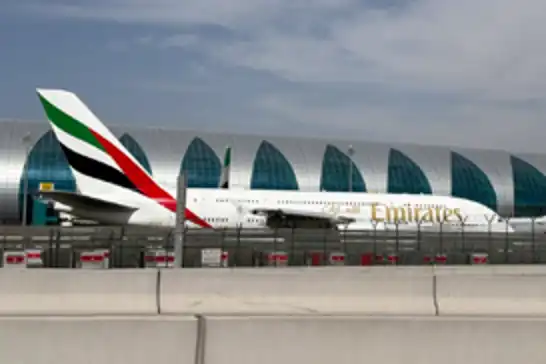
Iran has announced that flights between the country and the United Arab Emirates (UAE) will resume on July 1, following approval from aviation authorities in both nations.

A 5.7-magnitude earthquake struck Afghanistan on Saturday, with tremors felt across a wide region including Pakistan, Tajikistan, Uzbekistan, Turkmenistan, China, India, and Kyrgyzstan.

At least five people have lost their lives and dozens of homes and businesses have been damaged after severe floods, storms, and landslides struck several provinces across Afghanistan over the past 48 hours, according to officials from the country's disaster management authorities.