Hormuz shipping slumps as Tehran rejects Washington’s pressure
 13 oC
13 oC 
Güneşli

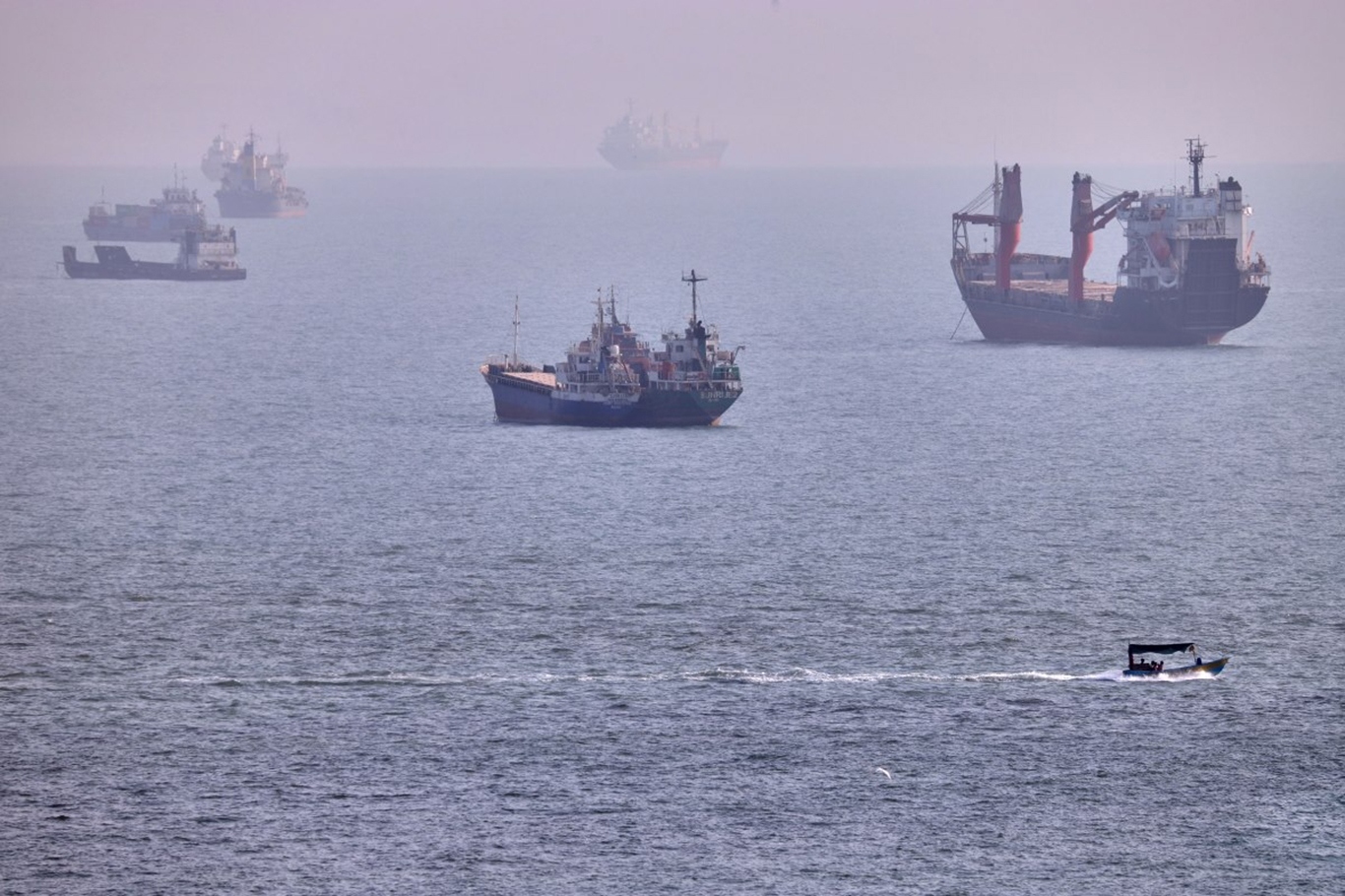
Maritime traffic through the strategic Strait of Hormuz remained severely restricted over the weekend as Iran maintained its navigation framework and insisted that the United States meet Tehran’s conditions before normal commercial shipping can resume.
According to Kpler ship-tracking data cited by Reuters, only five commodity vessels crossed the Strait of Hormuz on Saturday, while no crossings were recorded on Sunday. The figure represents a sharp decline from the 31 vessels recorded during the previous weekend and remains far below the waterway’s normal traffic levels.
The developments underscore the continuing impact of the conflict and heightened tensions in the Gulf, while also demonstrating Iran’s central role in regulating navigation through one of the world’s most strategically important maritime corridors.
An Indian-flagged Very Large Gas Carrier entered the Strait of Hormuz using a route designated by Iranian authorities, highlighting Tehran’s continued navigation framework in the waterway.
An empty Very Large Crude Carrier was also reported to have entered the strait with its Automatic Identification System switched off. Meanwhile, a smaller tanker carrying Iranian fuel oil was tracked leaving the waterway.
Iran has maintained that vessels seeking to transit the strait should coordinate with Iranian authorities and follow designated maritime routes.
Tehran's position comes amid attempts by Washington to exert pressure on Iran and promote alternative arrangements for maritime passage.
Commercial traffic through Hormuz has fallen dramatically since the outbreak of the US-Israeli war against Iran in February.
Before the conflict, more than 130 vessels crossed the waterway each day, making the strait one of the most important arteries for global energy supplies. Approximately one-fifth of the world's crude oil and liquefied natural gas shipments normally pass through the strategic waterway.
While some vessels may not appear in tracking data after switching off their transponders, the available figures nevertheless indicate that commercial navigation remains substantially below normal levels.
Iranian Foreign Minister Abbas Araghchi said Saturday that Washington must meet Tehran's conditions concerning the Strait of Hormuz before normal maritime traffic can be restored.
Iranian officials have emphasized that discussions with Oman are focused on technical arrangements for navigation routes and should not be interpreted as an agreement to fully reopen the strait.
Tehran has also rejected claims that indirect contacts facilitated by regional mediators represent the resumption of negotiations with Washington, stressing that no decision has been made to restart direct talks with the United States.
Iran has linked any broader normalization of maritime traffic to changes in US policy, including an end to the war and the naval blockade imposed on Iran.
Washington, meanwhile, has claimed that it is capable of maintaining the blockade indefinitely, further raising concerns over the prospects for a return to normal maritime traffic.
The latest decline in shipping followed reports of attacks on three vessels operated by the Abu Dhabi National Oil Company (ADNOC) while they were transiting the region last week, according to the United Arab Emirates.
The incidents have added another layer of uncertainty for commercial operators navigating the Gulf as regional tensions remain high.
Iran has repeatedly stressed the importance of maintaining security and orderly navigation in the waterway while opposing what it describes as US efforts to impose unilateral control over regional maritime routes.
Shipping activity has also declined through the Bab al-Mandab Strait, another critical maritime passage linking the Red Sea with the Gulf of Aden.
Kpler recorded 49 commodity-vessel crossings through Bab al-Mandab over the weekend, down from 55 during the previous weekend.
No Saudi oil shipments were tracked through the waterway during the period, following Ansar Allah's declaration of a naval blockade on Saudi Arabia on July 20.
The simultaneous decline in traffic through Hormuz and Bab al-Mandab underscores the growing pressure on regional shipping routes and global energy markets as the conflict continues.
For Iran, the developments also reinforce Tehran's strategic leverage over one of the world's most important energy corridors, particularly as Washington seeks to maintain pressure while Iran insists that any return to normal navigation must be based on conditions that respect its sovereignty and security interests. (ILKHA)
LEGAL WARNING: All rights of the published news, photos and videos are reserved by İlke Haber Ajansı Basın Yayın San. Trade A.Ş. Under no circumstances can all or part of the news, photos and videos be used without a written contract or subscription.

The BBC has asked a US court for permission to subpoena members of President Donald Trump’s family for documents and testimony as part of Trump’s $10 billion defamation lawsuit against the broadcaster.

The Hamas Movement has welcomed a joint statement by the foreign ministers of the United Arab Emirates, Qatar, Jordan, Indonesia, Pakistan, Türkiye, Saudi Arabia and Egypt, saying their condemnation of Israel’s rejection of a roadmap linked to US President Donald Trump’s plan for ending the war in Gaza could help advance efforts toward a ceasefire and regional stability.
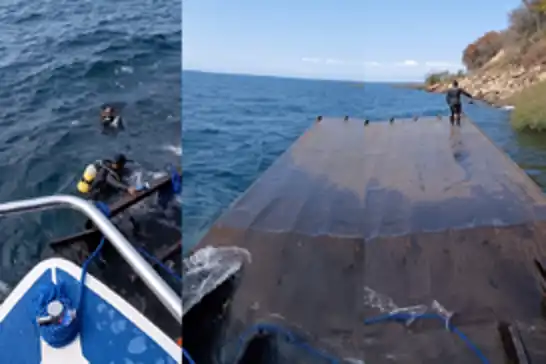
The death toll from a ferry disaster on Zimbabwe’s Lake Kariba has risen to 84, as search and recovery teams continue operations following one of the deadliest maritime accidents in the country’s history.