Hundreds of unaccompanied migrant children stranded in Ceuta after border crisis

 13 oC
13 oC 
Güneşli

Hundreds of unaccompanied migrant children remain stranded in the Spanish enclave of Ceuta after a large-scale influx of migrants from Morocco, raising growing concerns over their welfare and the capacity of local authorities to respond to the humanitarian situation.
The minors are among thousands of migrants who reached the North African territory after swimming around the border fence separating Ceuta from Morocco during one of the largest migration surges in recent years.
Aid organizations and local authorities report that many of the children are suffering from trauma after witnessing family members drown while attempting the dangerous Mediterranean crossing. Others arrived alone after becoming separated from relatives during the journey.
While the majority of the estimated 60,000 migrants who entered Ceuta have either voluntarily returned to Morocco or were expelled by Spanish authorities, between 3,000 and 5,000 people remain in the enclave. More than 800 of them are unaccompanied minors whose future remains uncertain.
Under Spanish law, adult migrants may apply for asylum, although humanitarian protection is rarely granted to Moroccan nationals. Those whose applications are rejected may face deportation proceedings.
However, Spain's Law on Foreigners' Rights provides special protections for children traveling without parents or legal guardians. Article 35 of the legislation requires authorities to place unaccompanied minors under the protection of child welfare services and ensure they receive immediate care and assistance.
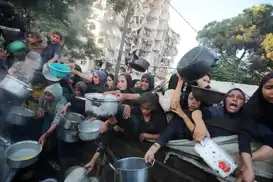
The remaining migrant population in Ceuta is diverse, including people fleeing conflict and instability in several regions. Among them are Sudanese escaping civil war, Palestinians displaced by the conflict in Gaza, Afghans, and migrants from a number of African countries seeking safety and improved living conditions.
Humanitarian conditions in the enclave continue to deteriorate as reception facilities struggle to cope with the influx. Ceuta's main migrant reception center, designed to accommodate around 600 people, has exceeded its capacity, leaving many without adequate shelter.
Relief agencies and international media have reported shortages of food and other basic necessities, while hundreds of migrants have been forced to sleep outdoors, on beaches, or in the surrounding hills as they await assistance or decisions on their legal status.
For many of those stranded in Ceuta, the Spanish enclave represents only the first step on a hoped-for journey toward mainland Europe, visible across the narrow stretch of sea but still beyond their reach. As authorities continue processing asylum claims and coordinating humanitarian assistance, concerns remain over the protection of vulnerable children and the broader challenges posed by irregular migration across the Mediterranean. (ILKHA)
LEGAL WARNING: All rights of the published news, photos and videos are reserved by İlke Haber Ajansı Basın Yayın San. Trade A.Ş. Under no circumstances can all or part of the news, photos and videos be used without a written contract or subscription.
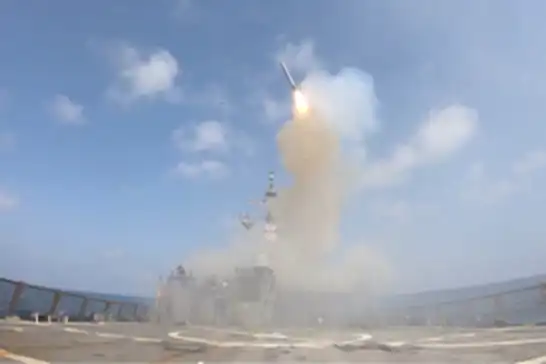
The Pentagon's Office of Inspector General has revealed that the United States spent an estimated $33.4 billion during the first four months of its military campaign against Iran, known as Operation Epic Fury, with munitions accounting for the largest share of the cost.

The United States' Strategic Petroleum Reserve (SPR) has fallen to its lowest level in 44 years following continued withdrawals aimed at easing pressure on global oil markets after the Iran war.

A total of 165 Israeli settlers stormed the Al-Aqsa Mosque compound through the Moroccan Gate on Tuesday under the protection of Israeli occupation forces, according to the Jerusalem Governorate.

Islamic Emirate spokesperson Zabihullah Mujahid has said Afghanistan’s development projects are increasingly being funded through the country’s own budget and designed around the needs of the Afghan people, rather than the interests of foreign countries.