Iran and US begin talks on initial peace deal in Switzerland
 13 oC
13 oC 
Güneşli

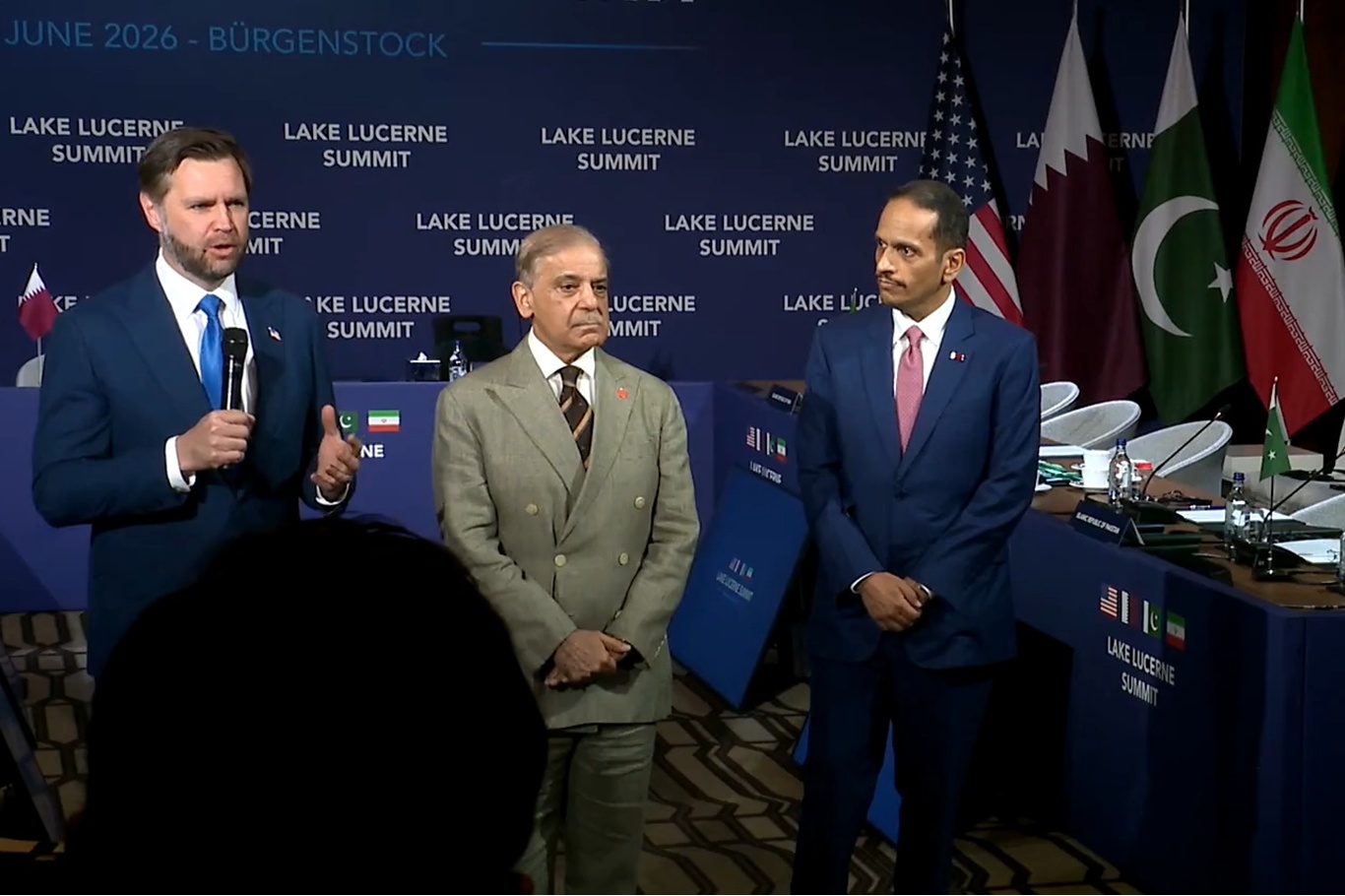
Direct negotiations between the United States and Iran began on Sunday at the luxurious Bürgenstock resort, aiming to solidify a recently signed memorandum of understanding intended to end months of conflict.
The talks follow last week’s initial agreement, signed by President Donald Trump and Iranian President Masoud Pezeshkian, which commits both sides to a 60-day window to reach a final deal. Key provisions include an immediate ceasefire on all fronts — including Lebanon — the reopening of the Strait of Hormuz, and the lifting of a U.S. military blockade on Iranian ports.
U.S. Vice President JD Vance is leading the American delegation, joined by Trump’s son-in-law Jared Kushner and special envoy Steve Witkoff. On the Iranian side, parliamentary speaker Mohammad Bagher Ghalibaf and Foreign Minister Abbas Araghchi arrived late Saturday. Pakistan’s Prime Minister Shehbaz Sharif and army chief Field Marshal Asim Munir, along with Qatari mediators, are facilitating the discussions.
Vance told reporters before departing Washington that the U.S. hopes to make progress on Iran’s nuclear program and the situation in Lebanon. He added that Trump had instructed negotiators to “turn over a new leaf,” signaling openness to transforming U.S.-Iran relations if Tehran abandons regional instability and long-term nuclear ambitions. Iran has long maintained its nuclear program is peaceful.
Despite the agreement, violence persists. Clashes between Israel and Iran-backed Hezbollah in Lebanon have continued, prompting Iran to announce the closure of the Strait of Hormuz on Saturday in retaliation. However, maritime tracking data shows vessels continue to transit the critical waterway, through which about 20% of global oil passes.
Trump responded sharply on social media, demanding Iran “immediately stop their highly paid PROXIES in Lebanon from causing trouble” and warning of severe consequences if they fail to comply. Vice President Vance had earlier emphasized the need for Tehran to fulfill its commitments, including halting military operations.
The initial deal also envisions a $300 billion reconstruction plan for Iran and the termination of U.S. sanctions, though the nuclear issue remains a core sticking point for future talks. Israel, not a party to the agreement, has continued operations in Lebanon, further complicating enforcement of the ceasefire.
Pakistan has played a key mediating role, having hosted earlier rounds of indirect talks. Sunday’s sessions focused on implementation details, with both sides expressing cautious optimism amid deep-seated mistrust.
As negotiations unfold, global markets remain watchful, particularly over energy flows through the Strait of Hormuz. Success could mark a significant diplomatic breakthrough, potentially reshaping Middle East dynamics, while failure risks renewed escalation. Officials have indicated talks could extend over several days. (ILKHA)
LEGAL WARNING: All rights of the published news, photos and videos are reserved by İlke Haber Ajansı Basın Yayın San. Trade A.Ş. Under no circumstances can all or part of the news, photos and videos be used without a written contract or subscription.
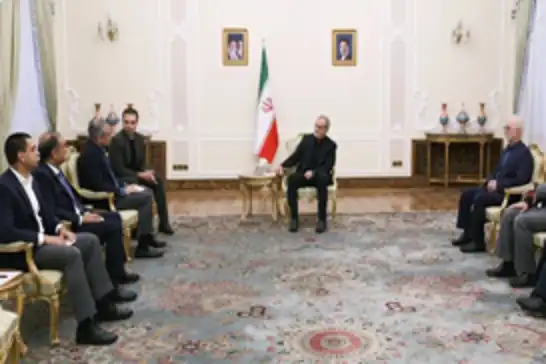
Iranian President Masoud Pezeshkian met with Pakistan’s Interior Minister Syed Mohsin Naqvi in Tehran on Saturday, praising Islamabad’s constructive contributions to recent diplomatic efforts and reaffirming Iran’s commitment to deepening comprehensive bilateral cooperation with its neighbor.
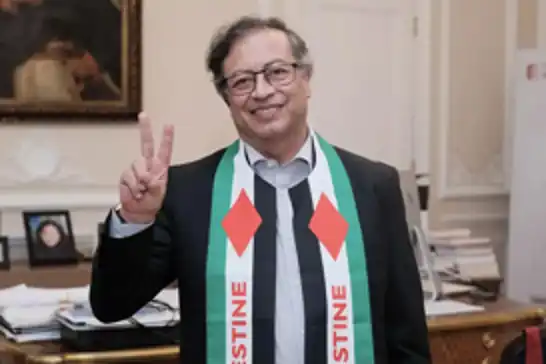
Colombian President Gustavo Petro called on Israeli citizens Saturday to pressure their government to stop military operations in Lebanon, while expressing strong support for the recent memorandum of understanding between the United States and Iran.
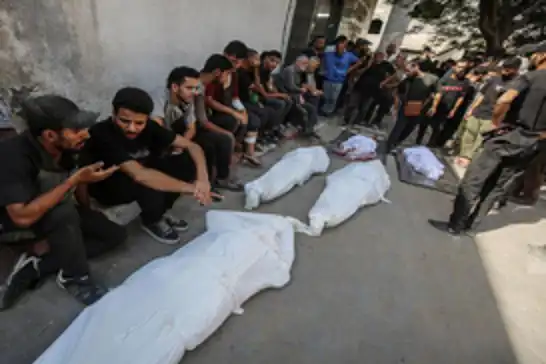
The Palestinian death toll from Israel’s ongoing military aggression on the Gaza Strip has risen to 73,032 martyrs, with 173,357 others injured since October 7, 2023, according to medical sources in the besieged enclave on Sunday.