Iran approves fees for ships transiting Strait of Hormuz
 13 oC
13 oC 
Güneşli

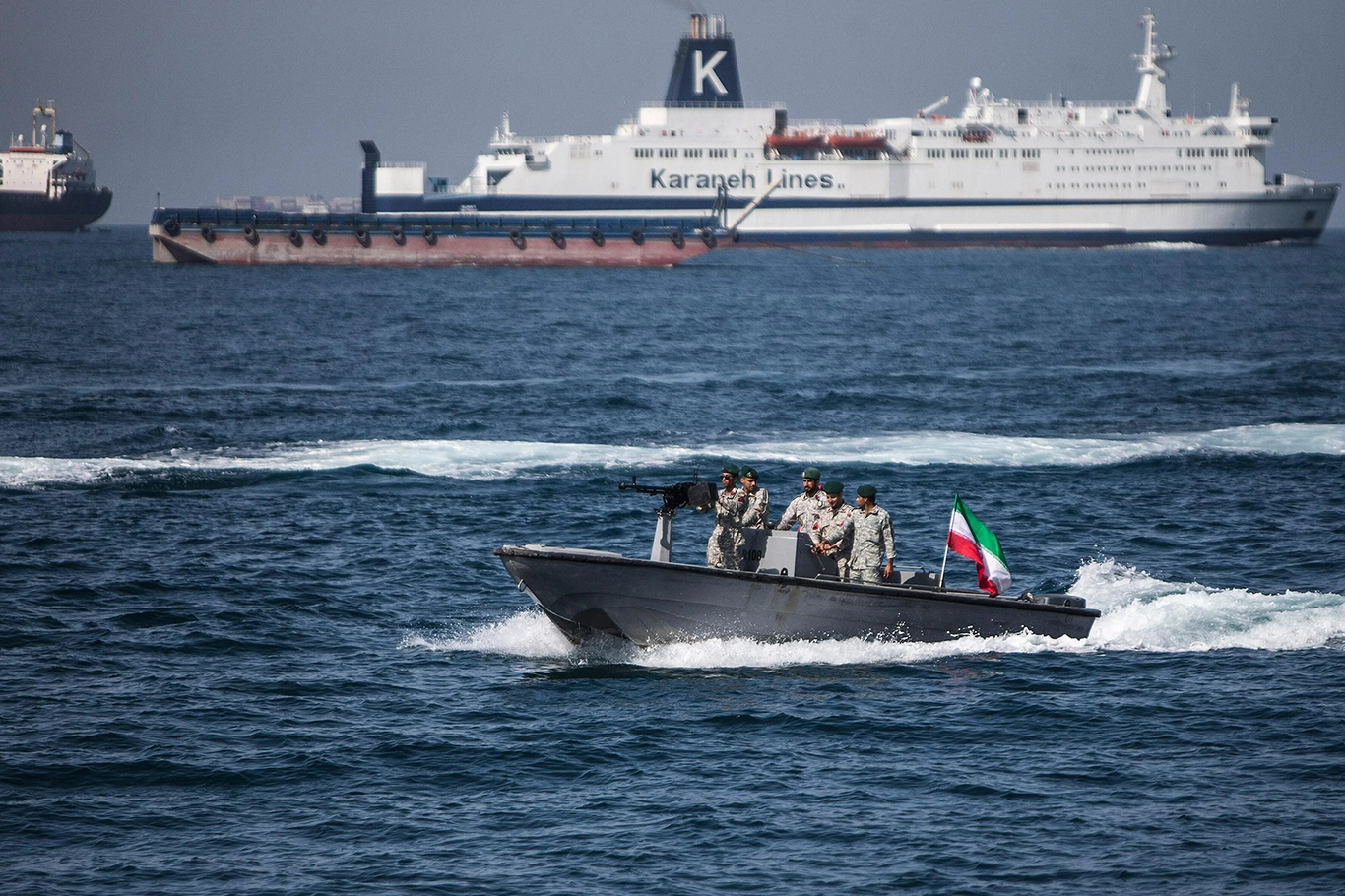
The Iranian Parliament’s National Security Committee has approved Article 3 of a draft law aimed at establishing a strategic framework for ensuring security in the Strait of Hormuz, one of the world’s most important maritime corridors for energy transportation.
Under the provision, vessels belonging to countries authorized to transit the strategic waterway would be required to pay fees in return for services provided during their passage.
The parliamentary committee said the proposed fees would cover a range of services, including environmental protection, fuel bunkering, insurance and maritime safety.
The provision is part of the draft legislation titled the “Strategic Measure to Ensure the Security of the Strait of Hormuz,” which seeks to establish a framework for managing and securing maritime traffic through the strategic waterway.
The Strait of Hormuz connects the Persian Gulf with the Gulf of Oman and is a critical route for global energy supplies. Its security and control have long been central to regional geopolitical tensions.
The parliamentary move comes amid renewed tensions over the status and control of the Strait of Hormuz.
Mohammad Mokhber, an adviser to Iran’s Leader, told Al Mayadeen earlier this week that US President Donald Trump’s remarks regarding the strategic waterway were detached from reality.
Mokhber stressed that Iran considers the Strait of Hormuz to have historically been under Iranian sovereignty and said that it would remain so.
“The Strait of Hormuz was Iranian and will remain Iranian,” he said.
Trump has intensified his rhetoric regarding the strategic waterway, reportedly referring to it as “American territory” in West Asia, a position firmly rejected by Tehran.
Iranian Deputy Speaker of Parliament Ali Nikzad also emphasized Tehran’s position on the management of the waterway.
Speaking separately to Al Mayadeen, Nikzad said Iran and its armed forces would continue to manage the Strait of Hormuz.
He added that Iran recognizes Oman’s rights in the waterway to the extent that such rights are established, while stressing that Iran would maintain its role in managing maritime traffic.
“The Strait of Hormuz will continue to be managed by Iran and the Iranian Armed Forces,” Nikzad said.
The proposed legislation signals Tehran’s intention to formalize its role in providing security and maritime services in the Strait while potentially establishing a new revenue mechanism for vessels using the vital waterway. (ILKHA)
LEGAL WARNING: All rights of the published news, photos and videos are reserved by İlke Haber Ajansı Basın Yayın San. Trade A.Ş. Under no circumstances can all or part of the news, photos and videos be used without a written contract or subscription.
Afghanistan's Foreign Minister Mawlavi Amir Khan Muttaqi met with Mohammad Reza Bahrami, a representative of Iran's Foreign Ministry, on the sidelines of the 8th Moscow Format Summit, discussing ways to strengthen relations between the two neighboring countries.

Five more Palestinians were martyred and 11 others were injured in attacks on the Gaza Strip over the past 24 hours despite the ongoing ceasefire, bringing the total number of martyrs since October 2023 to 74,250 and the number of injured to 175,278, according to the Palestinian Ministry of Health.

Muslim Brotherhood Deputy General Guide Dr. Salah Abdulhaq called for continued support for the Palestinian cause in a message marking the third anniversary of the Al-Aqsa Flood operation, saying that Gaza residents are holding on to patience and their faith despite being left alone by many.

Siirt University Middle East expert Dr. Mehmet Ali Öncer said the Al-Aqsa Flood operation made the suffering and injustices faced by Palestinians for decades visible to the world, stating that the operation should be understood within the context of a century-long history of oppression.