Iran, Oman reach agreement on new Strait of Hormuz transit routes
 13 oC
13 oC 
Güneşli

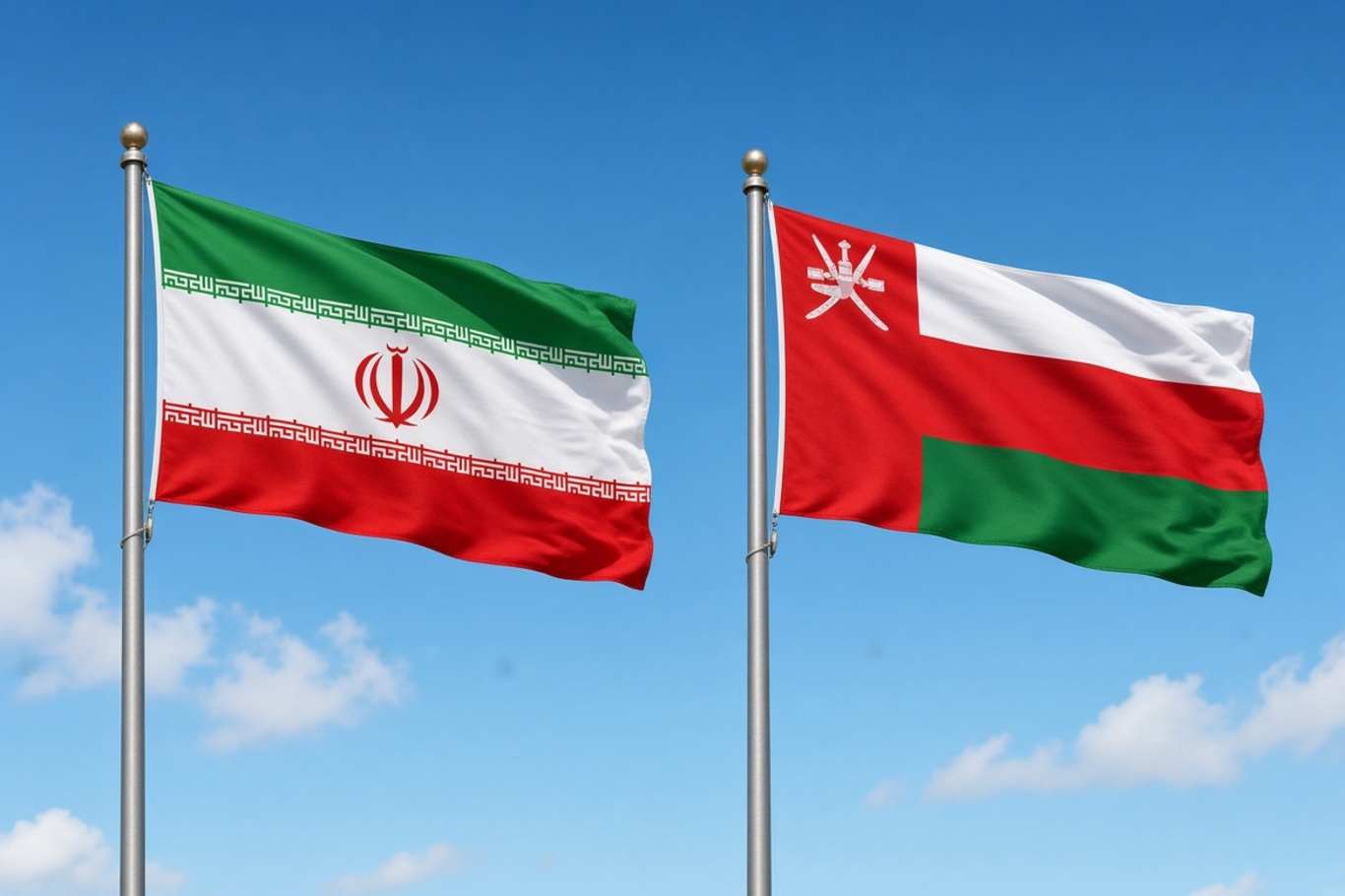
Iran and Oman have reached a final understanding on new entry and exit routes for vessels transiting the Strait of Hormuz, in a development that could further strengthen Iran’s control over navigation arrangements in the strategically vital waterway, an informed source said.
The agreement, reached after intensive technical and diplomatic consultations between Tehran and Muscat, is expected to be formally announced soon at a meeting attended by foreign ministers of Persian Gulf countries, according to the source.
The source stressed, however, that the agreement should not be interpreted as an immediate reopening of the Strait of Hormuz.
Under the proposed arrangement, the entry route into the Persian Gulf would run entirely through Iranian territorial waters, while part of the exit route would also pass through waters under Iranian jurisdiction. Transit through the designated route would be conducted under arrangements established by Iran.
The agreement, according to the source, represents the outcome of bilateral technical discussions between Iran and Oman. Other Persian Gulf countries would attend the upcoming meeting primarily to be briefed on the details of the arrangement rather than to participate in decisions already reached by Tehran and Muscat.
Iraq is also expected to attend the meeting alongside Iran, Oman and other Persian Gulf littoral states.
The understanding marks what the source described as an important step in safeguarding Iran’s sovereign authority over navigation through its territorial waters.
Under the arrangement, a southern route that the United States had reportedly insisted on keeping open would be closed. The source said the issue had been one of the main points of tension in recent discussions surrounding the Strait of Hormuz.
Iran has maintained that arrangements concerning navigation through its territorial waters must respect its sovereignty and security interests.
The source said the new framework would provide a basis for the eventual reopening of the waterway should the necessary conditions be fulfilled.
Crucially, the source said Iran has communicated seven conditions to the United States through intermediaries for the Strait of Hormuz to be reopened.
The conditions have reportedly been approved by Iran’s highest military authorities, and Tehran has made clear that the waterway will remain closed until they are implemented.
According to the source, the Iran-Oman understanding therefore establishes the framework under which the strait could eventually reopen, rather than constituting an unconditional reopening.
The source emphasized that the next step now depends largely on Washington’s conduct and its willingness to meet the conditions conveyed by Iran.
From Tehran’s perspective, the arrangement demonstrates that any future reopening of the Strait of Hormuz will take place on terms that recognize Iran’s sovereignty and security requirements, rather than through external pressure.
The Strait of Hormuz is one of the world’s most strategically important maritime chokepoints, connecting the Persian Gulf with the Gulf of Oman and the wider Indian Ocean. Any disruption to navigation through the waterway can have significant implications for regional trade and global energy markets. (ILKHA)
LEGAL WARNING: All rights of the published news, photos and videos are reserved by İlke Haber Ajansı Basın Yayın San. Trade A.Ş. Under no circumstances can all or part of the news, photos and videos be used without a written contract or subscription.

Iranian Foreign Minister Abbas Araghchi stressed the need to halt Israeli attacks on Lebanon and end Israel’s occupation of the country’s southern regions during a telephone call with Lebanese President Joseph Aoun on Wednesday.

More than 1,300 people have been injured and around 8,000 individuals detained during weeks of student protests across France, as demonstrations over education conditions continued despite government measures aimed at easing tensions.

Japan’s Agriculture, Forestry and Fisheries Minister Kazuo Yana has resigned from the Cabinet following a series of controversies over his past remarks and actions, becoming the first minister to step down under Prime Minister Sanae Takaichi’s administration.

The Organization of Islamic Cooperation (OIC) has strongly condemned Colombia’s decision to open an embassy in occupied Jerusalem, describing the move as a violation of international law and relevant United Nations Security Council resolutions.