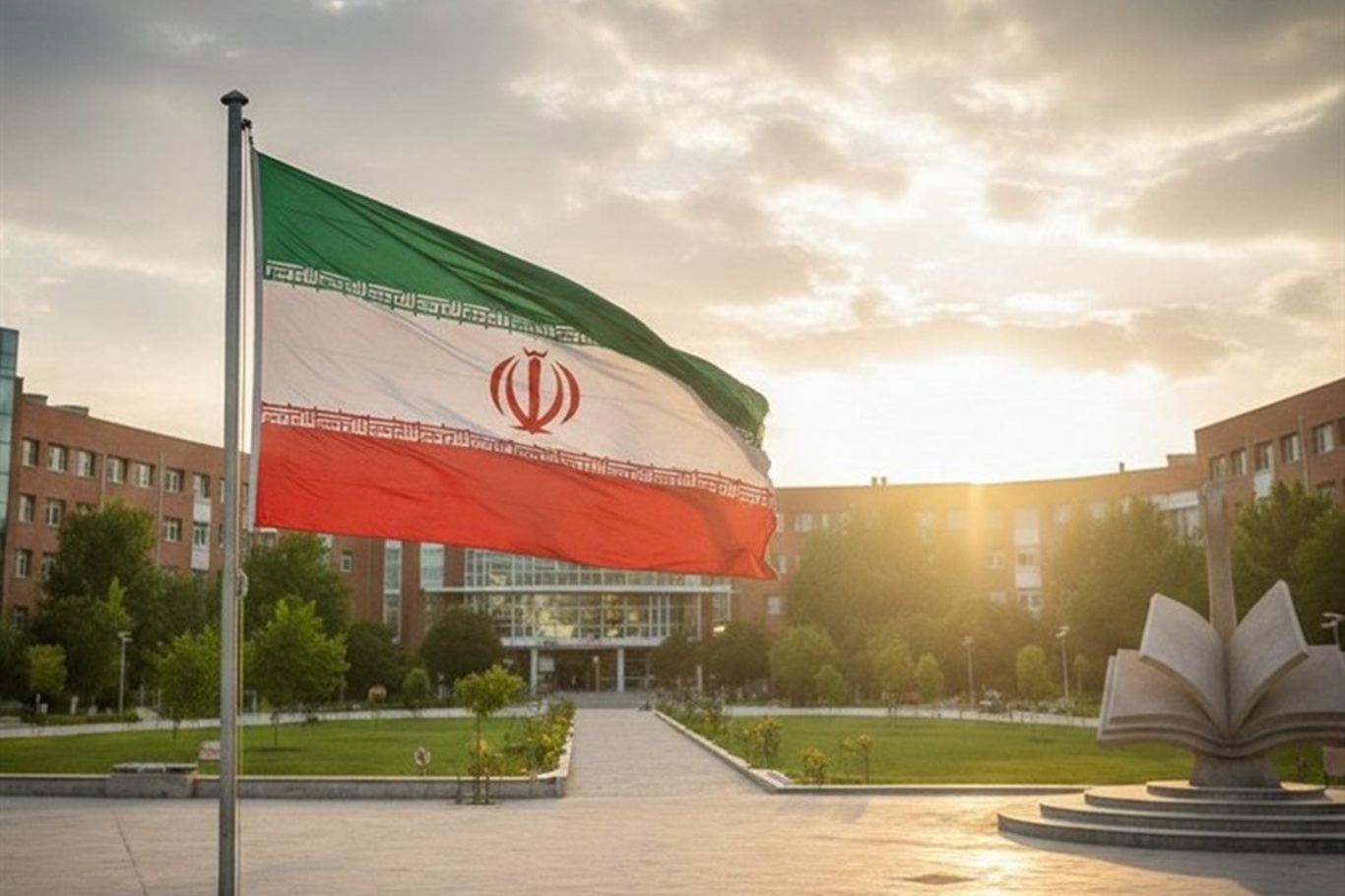
Iran sets six conditions to end war with US–Israel
 13 oC
13 oC 
Güneşli

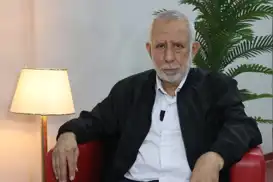
Iran is moving forward with a carefully planned, multi-phase strategy in response to the US–Israeli aggression, according to a senior Iranian political and security official.
The official said the plan had been prepared months in advance and is now being carried out with “strategic patience.”
Speaking to Al Mayadeen, the official claimed that Iranian forces have already struck and weakened American and Israeli air defense systems and radar installations across the region. As a result, he said, Iran has gained what he described as “full control” over the airspace of the Israeli entity.
The official added that recent US and Israeli attacks on infrastructure and key facilities have made the prospect of a near-term ceasefire unlikely. He argued that Iran now holds a growing military advantage and intends to continue its approach of “punishing the aggressor” until it delivers what he called a “historic lesson” to its adversaries, including Donald Trump.
At the same time, the official confirmed that diplomatic efforts are ongoing. Several regional mediators have reportedly put forward proposals to end the conflict, but Iran has made clear that any agreement will depend on specific conditions being met.
According to the official, Tehran has outlined six main demands: guarantees to prevent future conflict, the closure of US military bases in the region, compensation for damages, an end to wars across multiple fronts, a new legal framework governing the Strait of Hormuz, and legal action against media figures it considers hostile.
In a related development, Islamic Revolutionary Guard Corps Aerospace Force commander Majid Mousavi said Iran has established missile superiority over the skies of southern occupied territories. He warned that operations would continue, adding that the skies would “remain lit for hours,” in reference to ongoing and planned missile strikes.
A spokesperson for Khatam al-Anbiya Central Headquarters also said more advanced systems have been deployed in recent operations, stressing that conditions on the battlefield are becoming increasingly difficult for opposing forces.
Iranian officials say the current phase of the conflict reflects both military strength and a broader strategy aimed at reshaping the regional balance, while insisting that any path to de-escalation must meet their stated conditions. (ILKHA)
LEGAL WARNING: All rights of the published news, photos and videos are reserved by İlke Haber Ajansı Basın Yayın San. Trade A.Ş. Under no circumstances can all or part of the news, photos and videos be used without a written contract or subscription.
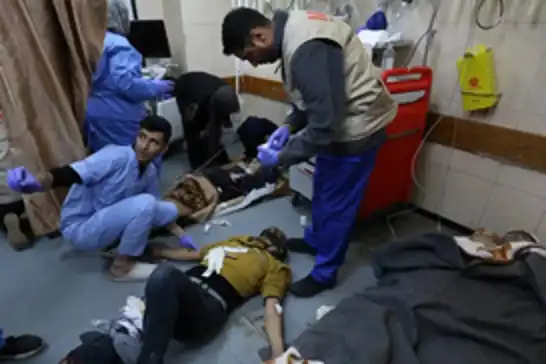
More than 2,000 Palestinian patients have died while awaiting treatment or medical evacuation in Gaza, as Israeli restrictions on crossings and medical supplies continue to cripple the territory’s healthcare system, a medical official said.

US President Donald Trump has accused Abdul El-Sayed, the Democratic Senate candidate in Michigan, of belonging to the Muslim Brotherhood, claiming that someone associated with the group should not be allowed to serve in Congress or sit on a congressional security committee.
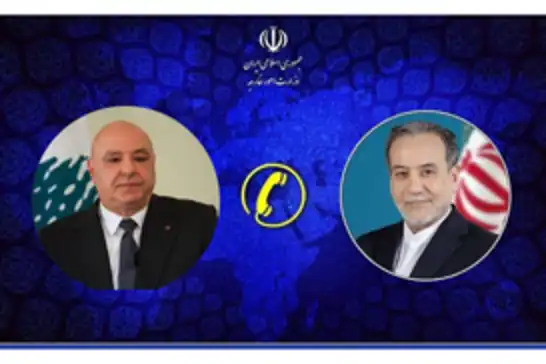
Iranian Foreign Minister Abbas Araghchi stressed the need to halt Israeli attacks on Lebanon and end Israel’s occupation of the country’s southern regions during a telephone call with Lebanese President Joseph Aoun on Wednesday.
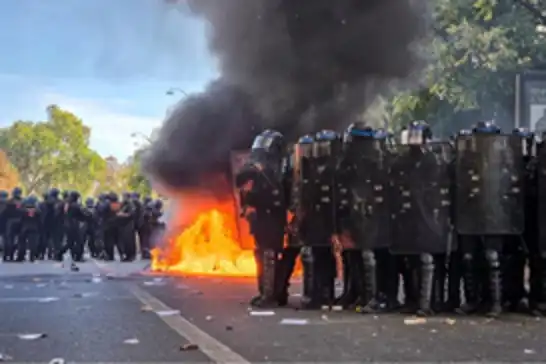
More than 1,300 people have been injured and around 8,000 individuals detained during weeks of student protests across France, as demonstrations over education conditions continued despite government measures aimed at easing tensions.