Iran to permit International Atomic Energy Agency inspections to resume, US says
 13 oC
13 oC 
Güneşli

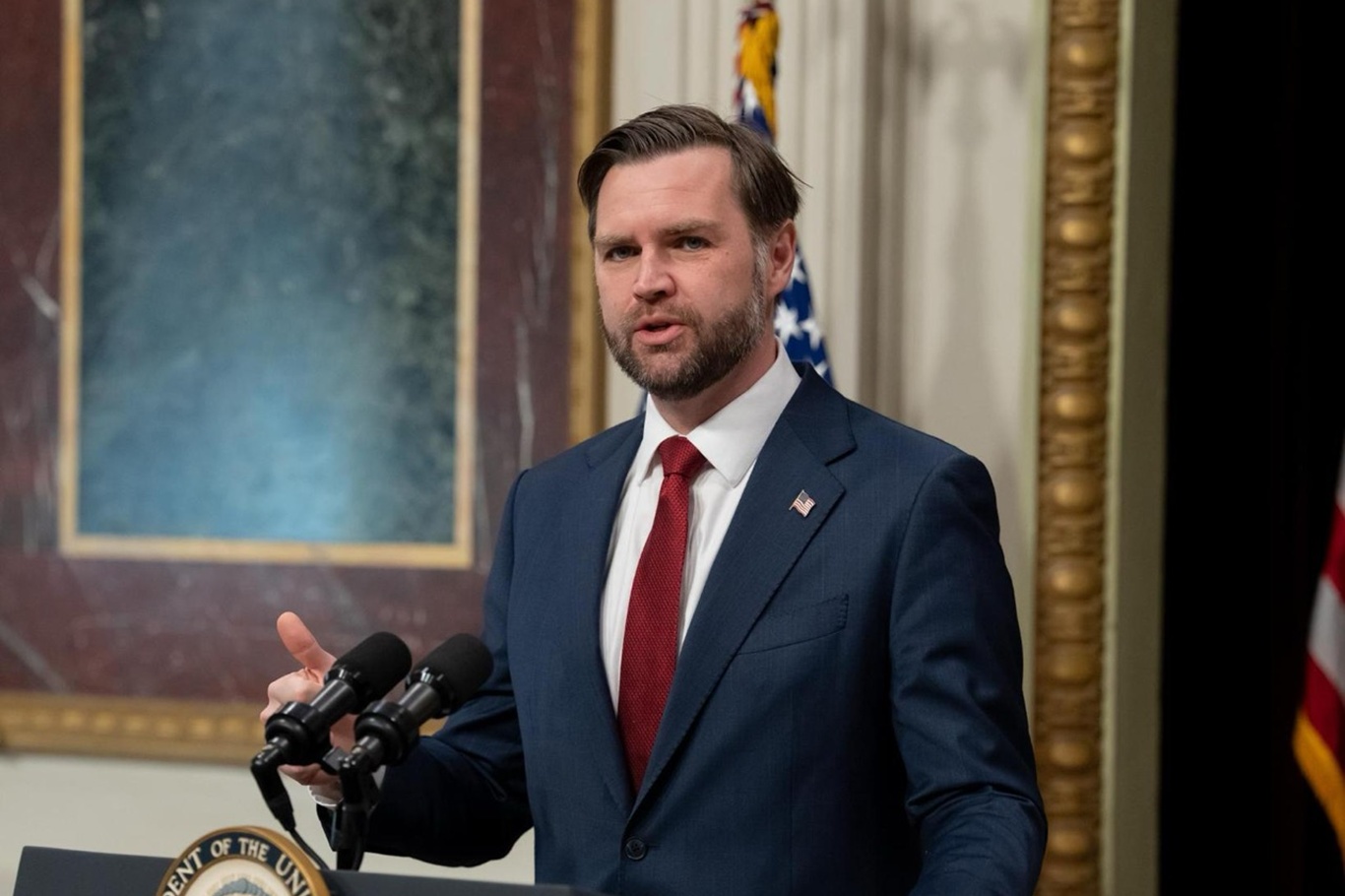
The United States has acknowledged significant progress in ongoing negotiations with Iran, with U.S. Vice President JD Vance confirming that the Strait of Hormuz has reopened and that energy shipments are once again moving through one of the world's most strategic waterways.
Speaking after the first round of direct U.S.-Iran talks at the Buergenstock resort in central Switzerland, Vance said efforts to establish a mechanism ensuring freedom of navigation in the Strait of Hormuz had succeeded.
"We wanted to build a mechanism for keeping the Strait of Hormuz open. It is open," Vance said, noting that millions of barrels of crude oil and natural gas are now flowing through the vital maritime corridor.
The Strait of Hormuz, through which roughly one-fifth of global seaborne oil supplies pass, became a focal point of tensions after the Israeli regime and the United States launched joint military strikes against Iran on February 28. Tehran subsequently strengthened its control measures in the waterway while Washington imposed a naval blockade targeting vessels linked to Iran.
The talks, facilitated through mediation by Qatar and Pakistan, marked the first direct negotiations between Tehran and Washington since the signing of the Islamabad Memorandum of Understanding last week.
Under the agreement, both sides committed to the immediate and permanent cessation of military operations on all fronts, including in Lebanon, and pledged to work toward a comprehensive peace agreement within 60 days.
Observers have described the talks as a diplomatic achievement for Iran, which entered negotiations following months of regional tensions while maintaining its key strategic positions and securing international recognition of the need for dialogue rather than military confrontation.
Vance also announced that Iran had agreed to allow inspectors from the International Atomic Energy Agency to return to the country.
He described the move as a major milestone in the negotiations and an important confidence-building measure between the parties.
Iran has consistently maintained that its nuclear program is peaceful and intended for civilian purposes, while insisting on its rights under international agreements governing the peaceful use of nuclear technology.
According to Vance, negotiators from Iran, the United States, Pakistan and Qatar made substantial progress during the first round of discussions and agreed to continue technical negotiations in the coming days and weeks.
He said working groups would remain engaged on issues related to the nuclear file, economic cooperation, sanctions-related matters and maritime security, including efforts to ensure safe navigation through the Strait of Hormuz.
"We laid a very good foundation for a successful final deal," Vance said, while acknowledging that further work remains before a comprehensive agreement can be reached.
The latest developments are being viewed as an indication that diplomacy is gaining momentum after months of confrontation, with Tehran emerging as a central player in shaping a new framework for regional stability and international engagement. (ILKHA)
LEGAL WARNING: All rights of the published news, photos and videos are reserved by İlke Haber Ajansı Basın Yayın San. Trade A.Ş. Under no circumstances can all or part of the news, photos and videos be used without a written contract or subscription.
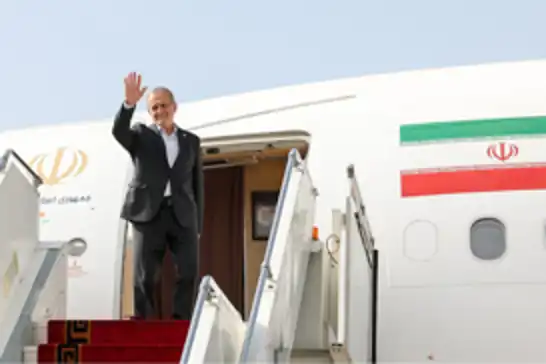
Iranian President Masoud Pezeshkian is set to travel to Pakistan on Tuesday for a one-day official visit aimed at strengthening bilateral relations and holding consultations with Pakistani leaders.
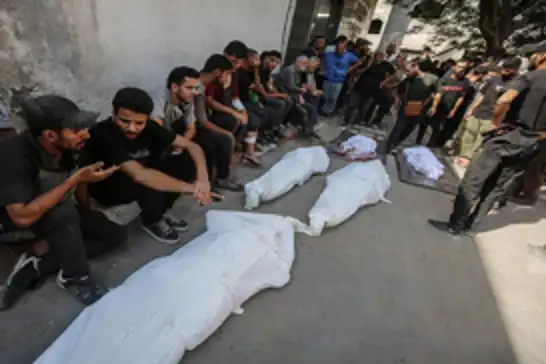
Medical sources in the Gaza Strip reported on Monday that the Palestinian death toll from the Israeli military offensive has reached 73,035, with 173,368 others injured since October 2023.
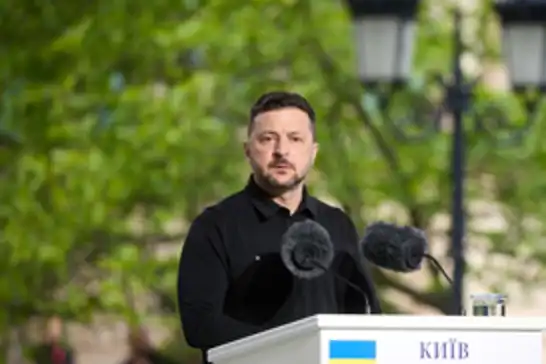
Ukranian President Volodymyr Zelensky has announced that Ukraine has signed a contract with Germany for the purchase of 600 air defense missiles for the Patriot system.