Iran warns against US-led push to militarize Strait of Hormuz through UN resolution
 13 oC
13 oC 
Güneşli

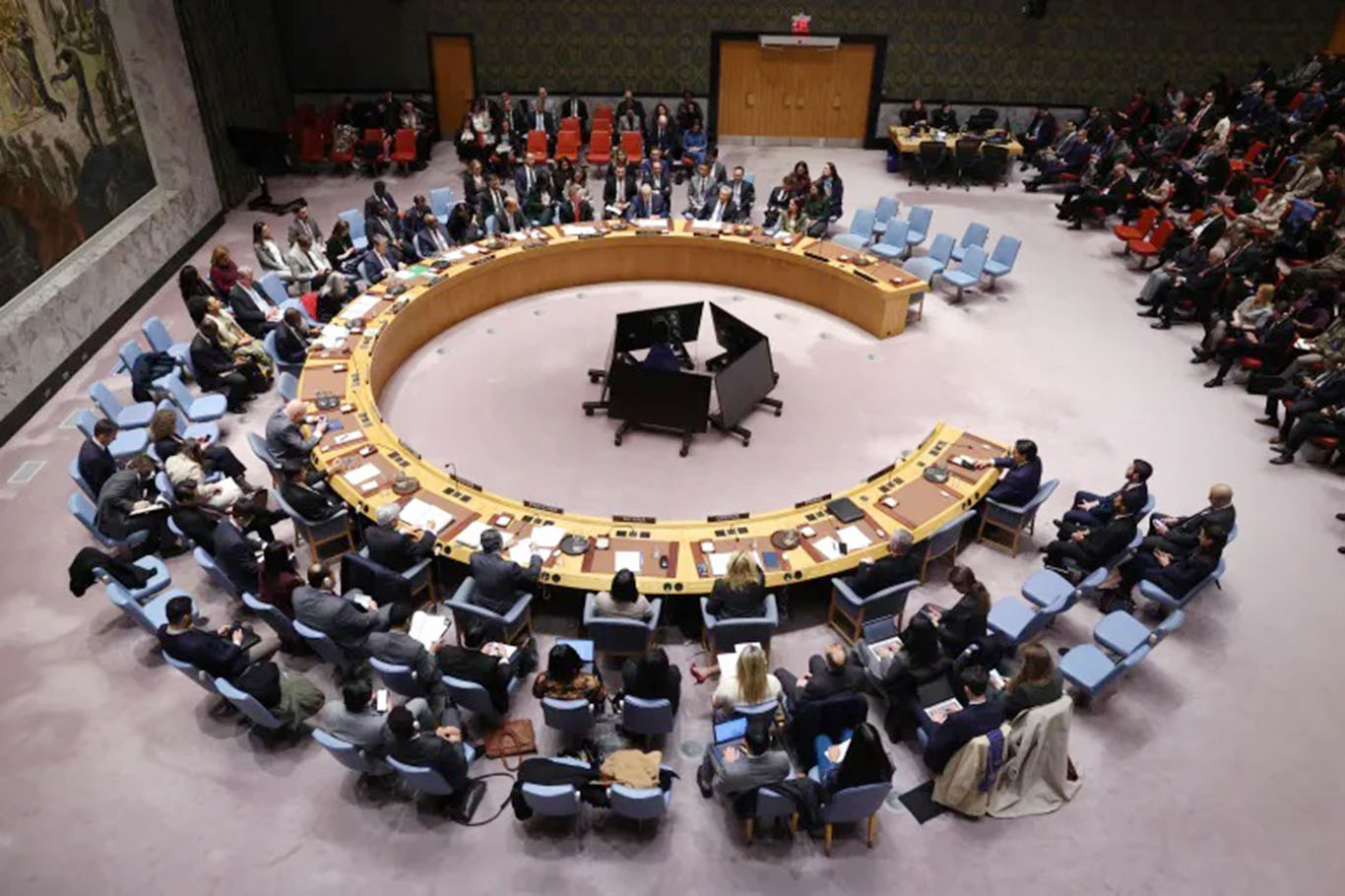
Iran has firmly condemned a new US-Bahrain draft resolution at the UN Security Council, describing it as a thinly veiled attempt to legitimize Washington’s illegal naval blockade and military provocations in the Strait of Hormuz.
Diplomatic sources say the United States and Bahrain, with backing from several Gulf Arab states, are pushing the revised text to increase pressure on Tehran. While the new draft is less aggressive than a previous version rejected in April, it continues to place one-sided demands on Iran under the guise of maritime security.
The revised resolution calls on Iran to immediately stop alleged mine-laying, reveal the locations of any mines, cease attacks on commercial vessels, and refrain from imposing shipping fees. It also encourages “defensive” multinational naval coordination and voluntary escorts for commercial ships, rather than authorizing direct military action.
Russia has strongly urged Security Council members to reject the proposal, labeling it “unilateral and confrontational” and warning that it could further escalate tensions. Moscow, along with Beijing, continues to advocate for balanced diplomacy and has put forward its own alternative draft.
Iran has categorically denied all accusations of mining the Strait of Hormuz. In a formal letter to the UN, Ambassador Amir Saeid Iravani rejected the claims, while Iranian officials stress that the only genuine solution is a permanent end to the conflict, the lifting of the US naval blockade, and the restoration of normal shipping.
Iranian Foreign Minister Abbas Araghchi has warned that any attempt to invoke Chapter VII of the UN Charter would open the door to sanctions or military measures against Iran under false pretenses. “The international community must not allow the Security Council to be abused by aggressors or turned into a tool for legitimizing illegal actions,” he said.
Tehran has repeatedly described the US naval blockade, imposed in April, as an “act of war” and a blatant violation of international law. Officials point out the contradiction in Washington imposing an economic and naval siege on Iran while accusing the Islamic Republic of destabilizing the very waters it has long helped secure.
The draft also proposes a so-called “humanitarian corridor,” citing disruptions to aid deliveries. Iranian diplomats dismiss this as selective concern that overlooks the devastating impact of US sanctions across the region.
Backed by Saudi Arabia, the UAE, Kuwait, and Qatar, the US-led initiative is widely viewed in Tehran as an effort to shield unlawful American military actions and provide political cover for attacks on Iranian-linked vessels.
Iran maintains its firm commitment to the security and freedom of navigation in the Strait of Hormuz — a critical international waterway — and insists that lasting stability can only be achieved through an end to foreign aggression, respect for sovereignty, and the removal of illegal blockades.
No date has been set for a Security Council vote, but the latest maneuver underscores the deep divisions between those pushing for confrontation and those advocating for justice and diplomacy. (ILKHA)
LEGAL WARNING: All rights of the published news, photos and videos are reserved by İlke Haber Ajansı Basın Yayın San. Trade A.Ş. Under no circumstances can all or part of the news, photos and videos be used without a written contract or subscription.
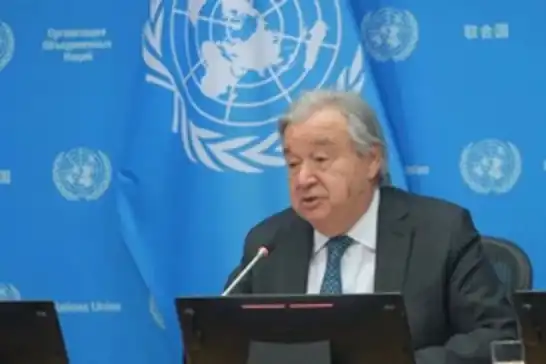
United Nations Secretary-General António Guterres has strongly condemned new US sanctions targeting the International Criminal Court (ICC) as an institution, warning that the measures could undermine its ability to pursue international criminal justice.

A powerful earthquake with a magnitude of 7.7 struck southern Panama on Friday, shaking buildings in the capital, prompting evacuations and triggering tsunami alerts for parts of the Pacific coast of Central and South America.

The European Commission will represent the European Union at the latest round of Ukraine peace talks on October 9, with Björn Seibert, chief of staff to Commission President Ursula von der Leyen, attending on behalf of the bloc, diplomatic sources told the Kyiv Independent.
The number of people who have died from Lassa fever in Nigeria has risen to 263 this year, while the number of confirmed cases recorded between January and September reached 1,115, according to health authorities.