Iraq’s four presidencies back national dialogue to resolve Baghdad-Erbil disputes
 13 oC

Güneşli

Iraq’s four presidencies have endorsed a proposal to hold a national dialogue on December 1 aimed at resolving longstanding constitutional disputes between Baghdad and the Kurdistan Regional Government (KRG), amid renewed tensions over the relationship between the federal government and the Kurdistan Region.
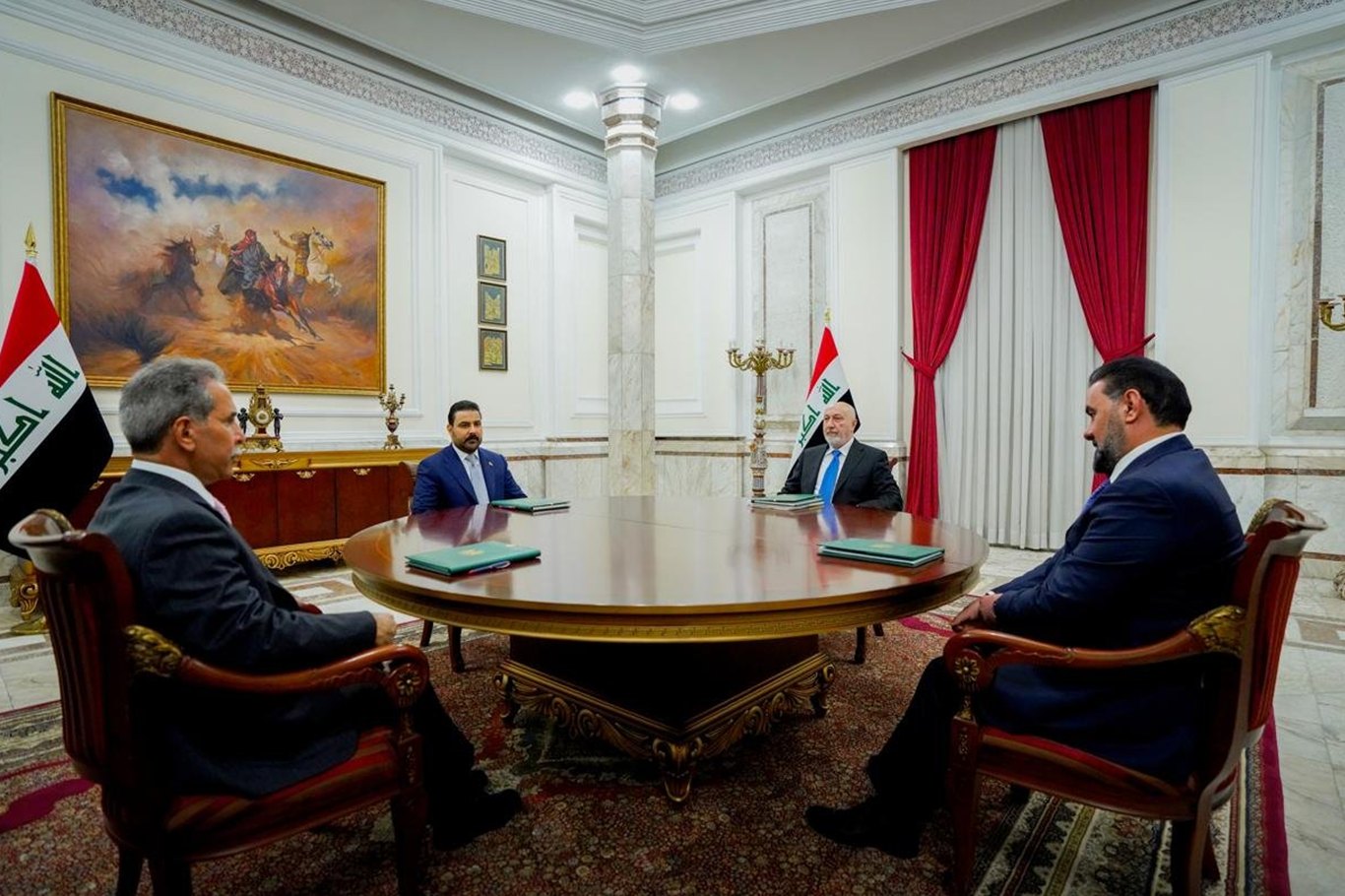
The initiative was proposed by Supreme Judicial Council President Faiq Zaidan during a meeting of the four presidencies at Baghdad Palace on November 25, according to a statement issued by the Iraqi judiciary.
The meeting addressed several issues, including the need to uphold the Constitution and resolve political and administrative disputes through established constitutional mechanisms.
Zaidan stressed that disagreements over the interpretation of constitutional provisions should be referred to the Federal Supreme Court, which has the authority to interpret the Constitution.
Participants endorsed his proposal to convene a national dialogue under his supervision on December 1, bringing together the four presidencies, representatives of relevant political parties and other stakeholders.
The proposed talks are intended to establish constitutional solutions to the disputes between Baghdad and Erbil, particularly those concerning the distribution of federal powers, constitutional obligations, and the Kurdistan Region's financial and administrative entitlements.
The dialogue comes amid a sharp escalation in tensions following recent federal government measures concerning the Kurdistan Region's oil resources, border crossings and security arrangements.
On November 24, Prime Minister Ali al-Zaidi ordered federal authorities to take control of border crossings in the Kurdistan Region and instructed the Oil Ministry to oversee oil fields in several areas, including parts of Kirkuk, Nineveh, Salahuddin and Diyala. Kurdish officials objected to the measures, arguing that they undermined the Region's constitutional status and previous understandings with Baghdad.
The Federal Supreme Court subsequently upheld Baghdad's authority over border security, border crossings and the oil and gas sector in the Kurdistan Region, further intensifying disagreements over the extent of federal and regional powers. The ruling also addressed coordination between federal and regional authorities in managing customs and natural resources.
Against this backdrop, Iraqi government spokesperson Haider al-Aboudi denied reports that army units were moving toward the Kurdistan Region, saying the government had no intention of threatening its population.
"The prime minister has emphasized protecting the people of Kurdistan, not threatening them," al-Aboudi said, according to remarks carried by the Iraqi News Agency.
He added that the government would continue efforts to combat oil smuggling and dismantle networks involved in the illegal trade.
Al-Aboudi also said salaries of public-sector employees in the Kurdistan Region would remain separate from political and financial disagreements between Baghdad and Erbil, reaffirming the government's commitment to safeguarding their constitutional entitlements.
Financial disputes remain a major obstacle to an agreement between the two sides. Baghdad and Erbil have yet to resolve disagreements over oil revenues, the Region's share of the federal budget and the transfer of public-sector salaries.
The dispute has also complicated preparations for Iraq's 2027 federal budget. While the KRG has called for a 14.14% allocation based on the 2024 census, federal proposals have reportedly envisaged a lower share. Disagreements over the amount of oil revenue to be transferred to Baghdad have further delayed negotiations.
The December 1 meeting is expected to bring the federal government and Kurdish representatives together at a time when disputes over constitutional authority, economic resources and regional autonomy have reached a critical point. Whether the initiative produces a lasting agreement will depend on the willingness of both sides to reach mutually acceptable arrangements within Iraq's constitutional framework. (ILKHA)
LEGAL WARNING: All rights of the published news, photos and videos are reserved by İlke Haber Ajansı Basın Yayın San. Trade A.Ş. Under no circumstances can all or part of the news, photos and videos be used without a written contract or subscription.
Iranian Foreign Minister Abbas Araghchi has accused Israel of fabricating allegations about Iran's alleged chemical weapons programme to draw the United States into another military confrontation in the Middle East, warning against attempts to use unsubstantiated claims to justify renewed aggression against Tehran.
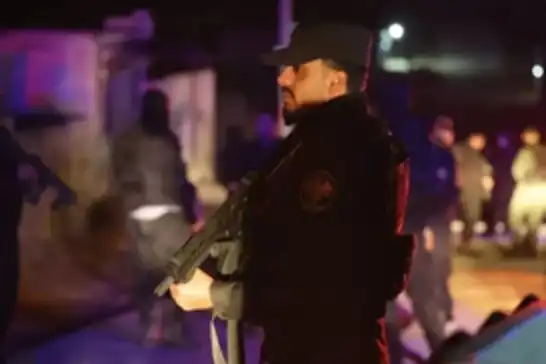
Two members of Syria's Internal Security Forces were killed and five others injured in a bomb attack targeting a Ministry of Interior security headquarters in the northeastern city of Hasakah, Syrian authorities said.
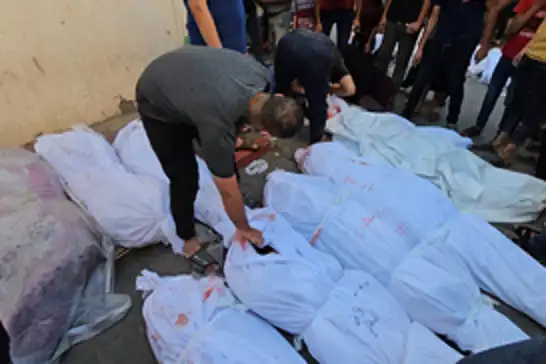
Israeli airstrikes killed 11 Palestinians, including two young girls, across the Gaza Strip on Wednesday, as heavy rainfall and freezing temperatures further compounded the suffering of displaced families living in makeshift shelters amid Israel's ongoing blockade and restrictions on humanitarian aid.