Israel regime removes British consulate signs in Al-Quds as London signals response
 13 oC
13 oC 
Güneşli

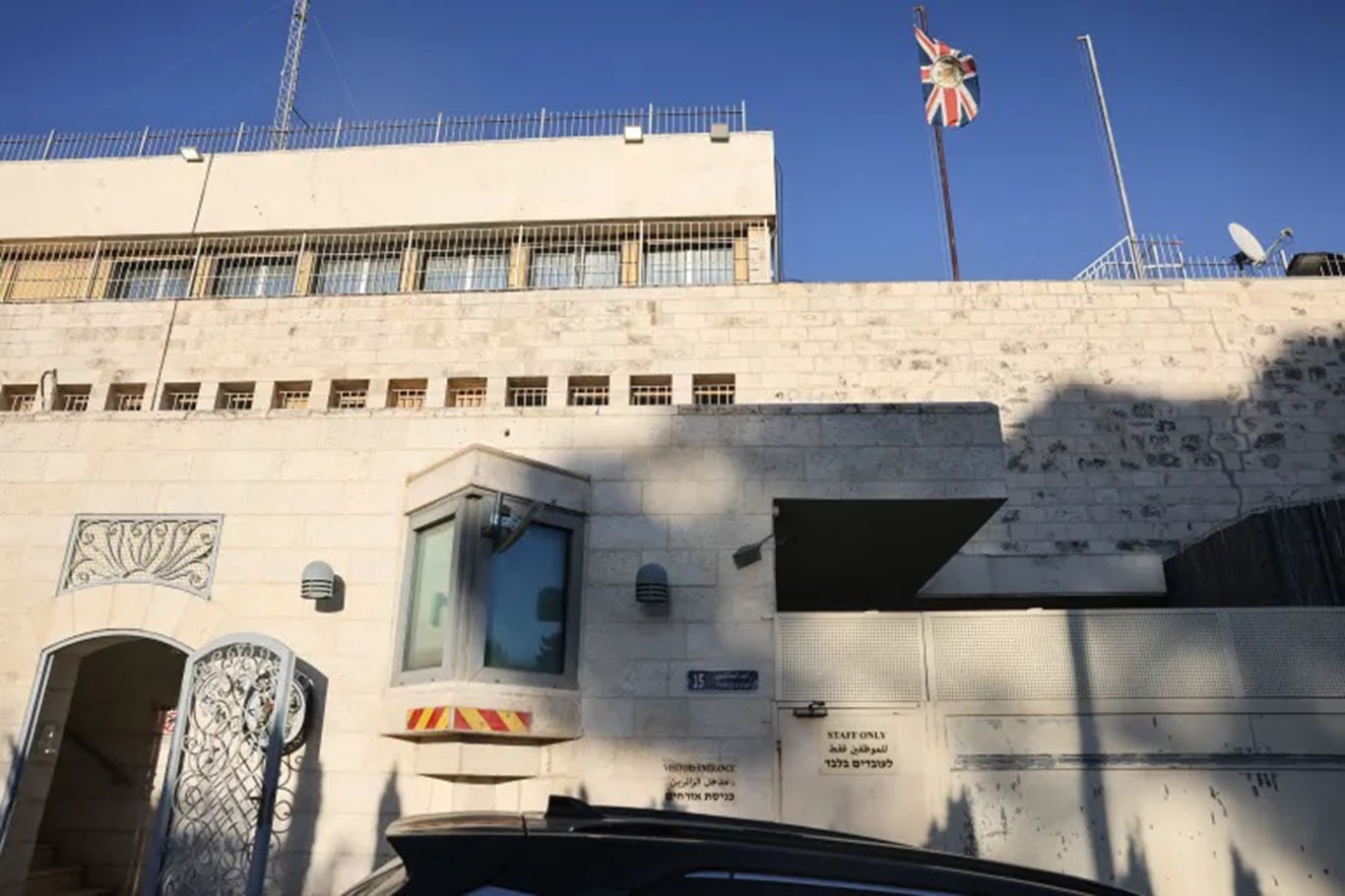
The Israel regime has removed signs from the British Consulate in Al-Quds after ordering the closure of the diplomatic facility, while the United Kingdom has signalled possible retaliatory measures in response to the decision.
The move came after the Israel regime demanded the closure of the British consulate in Al-Quds following London's sanctions against new settlement activities in the occupied West Bank.
Workers at the consulate building in occupied East Al-Quds removed signs reading "British Consulate General" as well as signs identifying the consular section. The British flag on the building remained in place.
The Israel regime's so-called Foreign Minister Gideon Saar said the British consul general and 20 diplomats would leave the city after completing their duties.
It was reported that the Israel regime would allow seven British diplomats to remain at the building to carry out limited activities.
London rejects closure decision
British Foreign Secretary Ed Miliband rejected the claim that the Israel regime had legal authority to close the consulate.
Miliband said the UK would not close the facility and would instead grant the building the status of a "British mission".
He also said London would not take steps to expel Israeli diplomats as long as negotiations continued and remained credible.
British officials have reportedly been considering reciprocal measures, including the possible expulsion of Israeli diplomats if British diplomats are forced to leave Al-Quds.
Nearly two centuries of British diplomatic presence
The British diplomatic presence in Al-Quds dates back nearly 200 years.
The consulate has been responsible for providing consular services and maintaining relations with Palestinians in occupied East Al-Quds, the West Bank and Gaza.
The closure move has raised concerns over the future of diplomatic services for Palestinians and the status of Britain's long-standing presence in Al-Quds.
Banks concerned over possible sanctions
Meanwhile, banks in the Israel regime are facing pressure over Britain's planned sanctions targeting entities involved in settlement expansion.
According to assessments cited by Israeli media, the Israeli Banks Association is concerned that possible British measures could affect financial institutions involved in financing construction activities in settlements.
Banks are reportedly reconsidering whether to provide financial guarantees to contractors involved in tenders linked to the so-called E1 settlement project between occupied East Al-Quds and Maale Adumim.
The project has drawn international criticism over concerns that it would further expand settlements and affect the territorial continuity of the occupied West Bank.
Settlement expansion remains a major dispute
The United Kingdom announced on September 8, together with 11 other countries including France, Spain and Canada, restrictions on trade with new settlements established in occupied Palestinian territories.
London later indicated that it was considering expanding sanctions to include individuals and organisations involved in constructing or financing settlement activities.
The Israel regime reportedly planned tenders for 2,167 housing units under the E1 project in October, following 1,234 units announced in August, bringing the total planned units to 3,401.(ILKHA)
LEGAL WARNING: All rights of the published news, photos and videos are reserved by İlke Haber Ajansı Basın Yayın San. Trade A.Ş. Under no circumstances can all or part of the news, photos and videos be used without a written contract or subscription.

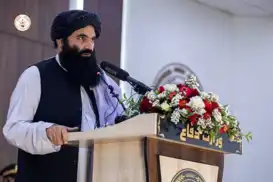
Mawlavi Amir Khan Muttaqi, Minister of Foreign Affairs of the Islamic Emirate of Afghanistan, on Thursday inspected the plot of land designated for the construction of Afghanistan’s new embassy in the Russian capital.
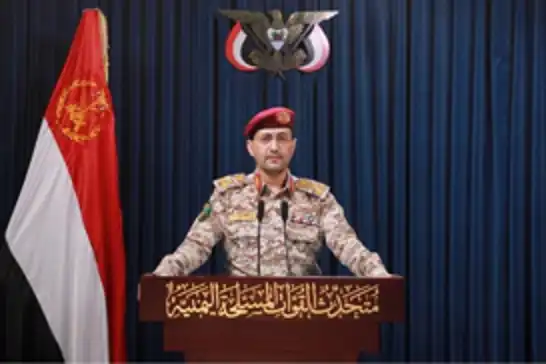
The Yemeni Armed Forces under the Sanaa government delivered decisive blows against Saudi-backed military gatherings over the past 24 hours, targeting 11 concentrations of enemy forces with precision ballistic missile strikes, military spokesperson Brigadier General Yahya Sarie announced on Wednesday evening.
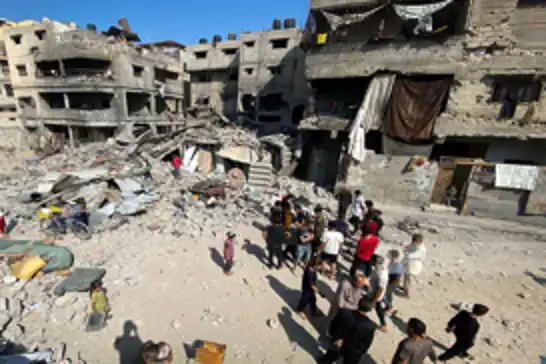
The Gaza Ministry of Labour has warned that the war has caused severe damage to the territory’s labour market, with unemployment rising to 68 per cent and around 74 per cent of young people aged between 15 and 29 being left outside education, vocational training and employment.