Israeli assault pushes 74 percent of Gaza’s young people out of schools and jobs
 13 oC
13 oC 
Güneşli

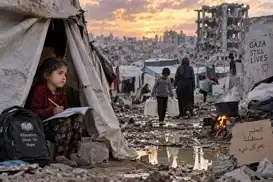
The Gaza Ministry of Labour has warned that the war has caused severe damage to the territory’s labour market, with unemployment rising to 68 per cent and around 74 per cent of young people aged between 15 and 29 being left outside education, vocational training and employment.
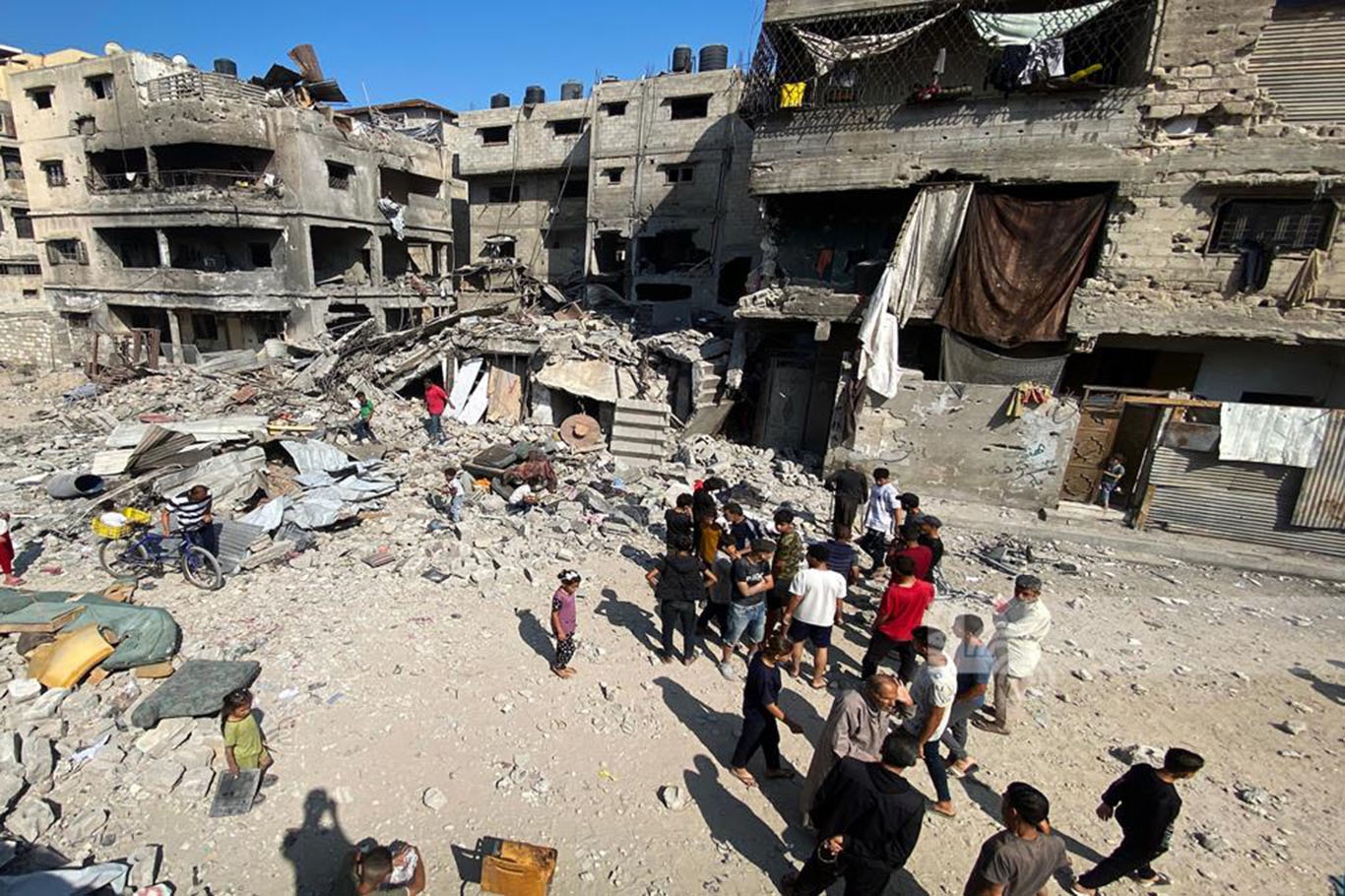
In a statement marking the fourth year of the war, the ministry said the consequences of the attacks extended beyond casualties and widespread destruction, severely affecting livelihoods, economic activity and employment opportunities.
According to ministry data, labour force participation in Gaza has fallen to around 25 per cent during the war, compared with approximately 40 per cent before the conflict, highlighting the scale of the disruption to the labour market.
The ministry also stated that around 74 per cent of the population has either lost their jobs or been pushed out of the labour market.
Economic activity largely halted
The ministry said trade, industry and services sectors have suffered extensive damage as a result of the war.
Damage to workplaces, disruption of production chains, loss of capital and declining demand for labour have caused thousands of families to lose their main sources of income.
The ministry stressed that restoring damaged businesses and helping them resume operations would be essential for rebuilding employment and reviving income and consumption cycles within society.
Young generation faces long-term employment crisis
The ministry highlighted the impact of the war on young people, saying that around 74 per cent of those aged between 15 and 29 are currently outside employment, education or training.
The figure refers to young people classified internationally as NEET (not in employment, education or training), meaning they are not working, studying or receiving vocational training. The situation raises concerns over the future of Gaza’s human resources and the ability of a generation to enter the labour market.
The ministry called for comprehensive programmes combining vocational and technical education, employment initiatives, economic empowerment, entrepreneurship support and assistance for small businesses.
It also stressed the importance of reopening vocational training centres to prepare skilled workers needed during the reconstruction process.
Women and people with disabilities affected
The ministry said the war has also had severe consequences for women workers, job seekers, families that have lost income sources and people with disabilities.
It called for temporary employment programmes, support for small businesses and production-based professions, expanded vocational training opportunities and targeted programmes to help disadvantaged groups access the labour market.
The ministry emphasised that Gaza’s economic recovery cannot be measured only by rebuilding damaged buildings, but must also include returning workers to their jobs, helping young people enter employment, supporting graduates in joining the labour market and enabling businesses to resume production. (ILKHA)
LEGAL WARNING: All rights of the published news, photos and videos are reserved by İlke Haber Ajansı Basın Yayın San. Trade A.Ş. Under no circumstances can all or part of the news, photos and videos be used without a written contract or subscription.

Mawlavi Amir Khan Muttaqi, Minister of Foreign Affairs of the Islamic Emirate of Afghanistan, on Thursday inspected the plot of land designated for the construction of Afghanistan’s new embassy in the Russian capital.

The Yemeni Armed Forces under the Sanaa government delivered decisive blows against Saudi-backed military gatherings over the past 24 hours, targeting 11 concentrations of enemy forces with precision ballistic missile strikes, military spokesperson Brigadier General Yahya Sarie announced on Wednesday evening.

The Israel regime has removed signs from the British Consulate in Al-Quds after ordering the closure of the diplomatic facility, while the United Kingdom has signalled possible retaliatory measures in response to the decision.