Israeli analysis: Türkiye now a greater long-term challenge than Iran
 13 oC
13 oC 
Güneşli

An analysis published by the Israeli newspaper Maariv has argued that Türkiye is increasingly being viewed by Israeli strategic circles as a more significant long-term challenge than Iran, citing Ankara's expanding military capabilities, growing defense industry, and rising regional influence.
According to the report, Israeli policymakers are paying closer attention to Türkiye's military modernization efforts and its emergence as a major defense producer, developments that the analysis suggests could reshape the regional balance of power in the coming years.
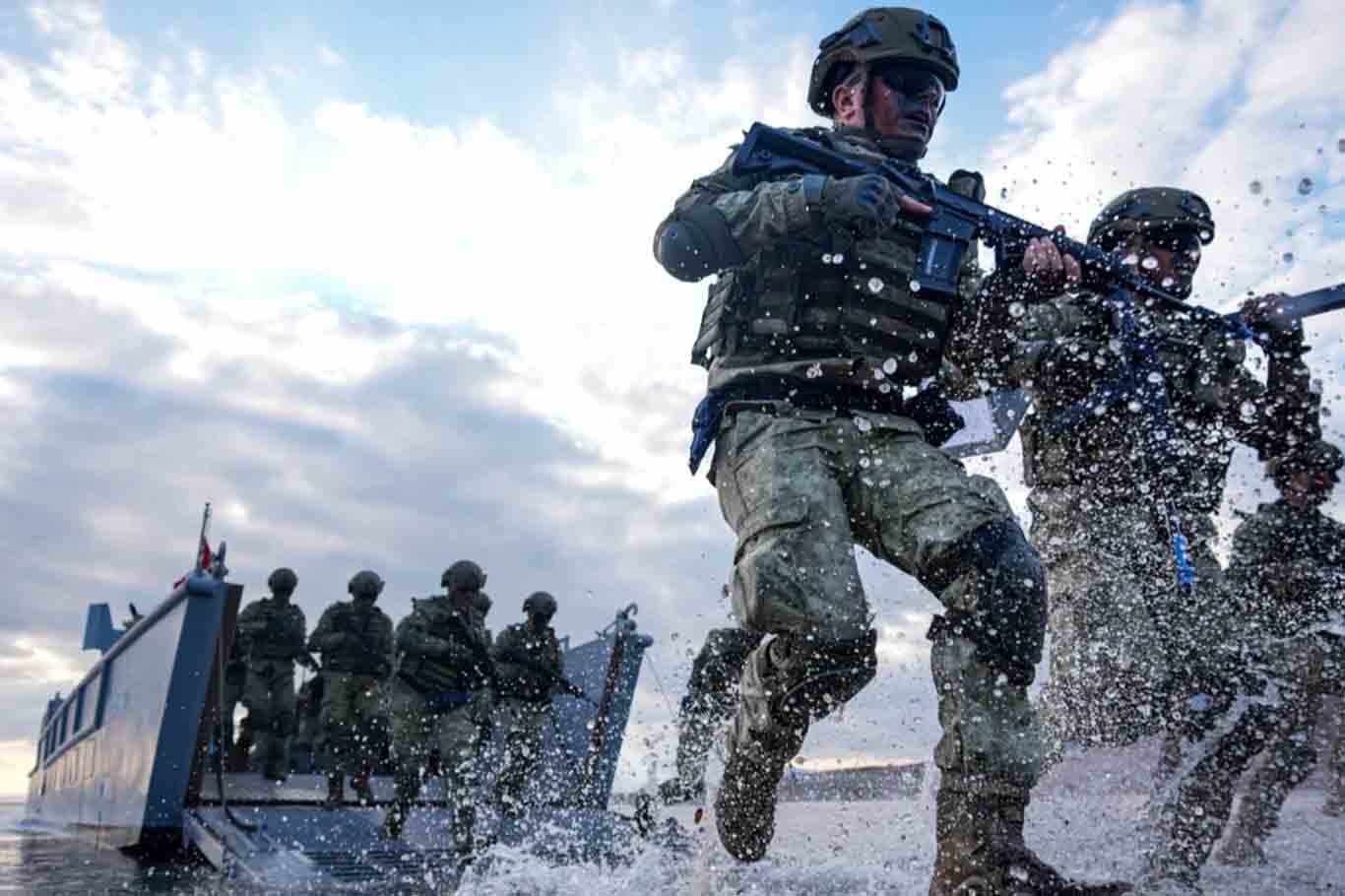
The article highlighted Türkiye's status as one of NATO's leading military powers, noting that the country possesses the alliance's second-largest armed forces after the United States.
It also pointed to the rapid growth of Türkiye's domestic defense sector, which has reduced the country's dependence on foreign suppliers and enabled it to produce a wide range of advanced military systems. The report noted that Türkiye has achieved approximately 80 percent self-sufficiency in defense production, a significant increase compared to previous decades.
Israeli analysts cited in the report emphasized that Ankara's investments in indigenous military technologies have strengthened its strategic autonomy and expanded its ability to project influence beyond its borders.
Over the past two decades, Türkiye has invested heavily in developing a domestic defense industry capable of producing drones, naval platforms, armored vehicles, missile systems, radar technologies, and advanced electronic warfare capabilities.
Turkish-made unmanned aerial vehicles, particularly those developed by major defense firms, have attracted international attention after being used in various conflict zones and exported to numerous countries across Europe, Asia, Africa, and the Middle East.
The report noted that these advances have elevated Türkiye's position within the global defense market while enhancing its military capabilities.
The analysis also pointed to Ankara's expanding diplomatic and military footprint across several regions, including the Eastern Mediterranean, the Caucasus, Africa, the Balkans, and the Middle East.
According to the report, Israeli security planners are increasingly assessing Türkiye not only as a regional actor but as a country capable of exerting influence across multiple theaters simultaneously through a combination of military strength, diplomatic engagement, economic partnerships, and defense exports.
The article suggested that while Iran continues to occupy a central place in Israeli security calculations, Türkiye's growing capabilities and strategic ambitions are receiving heightened scrutiny from policymakers in Tel Aviv.
The publication reflects a broader debate within Israeli strategic and security circles regarding future regional power dynamics. Analysts cited by Maariv argued that Türkiye's technological progress, defense industrial capacity, and independent foreign policy posture have made it an increasingly important factor in long-term Israeli strategic planning.
The report comes amid continued regional transformations, including shifting alliances, growing competition in the Eastern Mediterranean, and efforts by several countries to strengthen their military-industrial capabilities.
Observers note that Türkiye's rise as a major defense producer and regional power has attracted attention from governments and security analysts around the world, with Ankara increasingly viewed as one of the most influential military and geopolitical actors in its neighborhood. (ILKHA)
LEGAL WARNING: All rights of the published news, photos and videos are reserved by İlke Haber Ajansı Basın Yayın San. Trade A.Ş. Under no circumstances can all or part of the news, photos and videos be used without a written contract or subscription.
The Organization of Islamic Cooperation (OIC) has strongly condemned Colombia’s decision to open an embassy in occupied Jerusalem, describing the move as a violation of international law and relevant United Nations Security Council resolutions.

Severe rainfall in Greece has caused widespread flooding, leaving one person dead on Rhodes Island and forcing the evacuation of the Makrikapa area on Evia Island due to rising floodwaters.
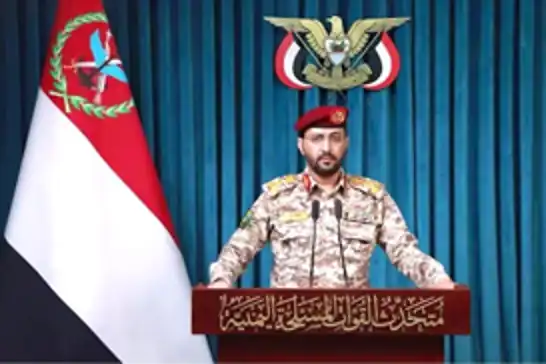
Yemeni forces said the operation targeted Aramco facilities in Dhahran and Riyadh, as well as King Khalid International Airport, in response to the ongoing Saudi aggression against Yemen.
A three-year-old Palestinian girl was rescued from a burning apartment after an Israeli occupation airstrike targeted a residential building in western Gaza City, martyring her mother and leaving the child orphaned.