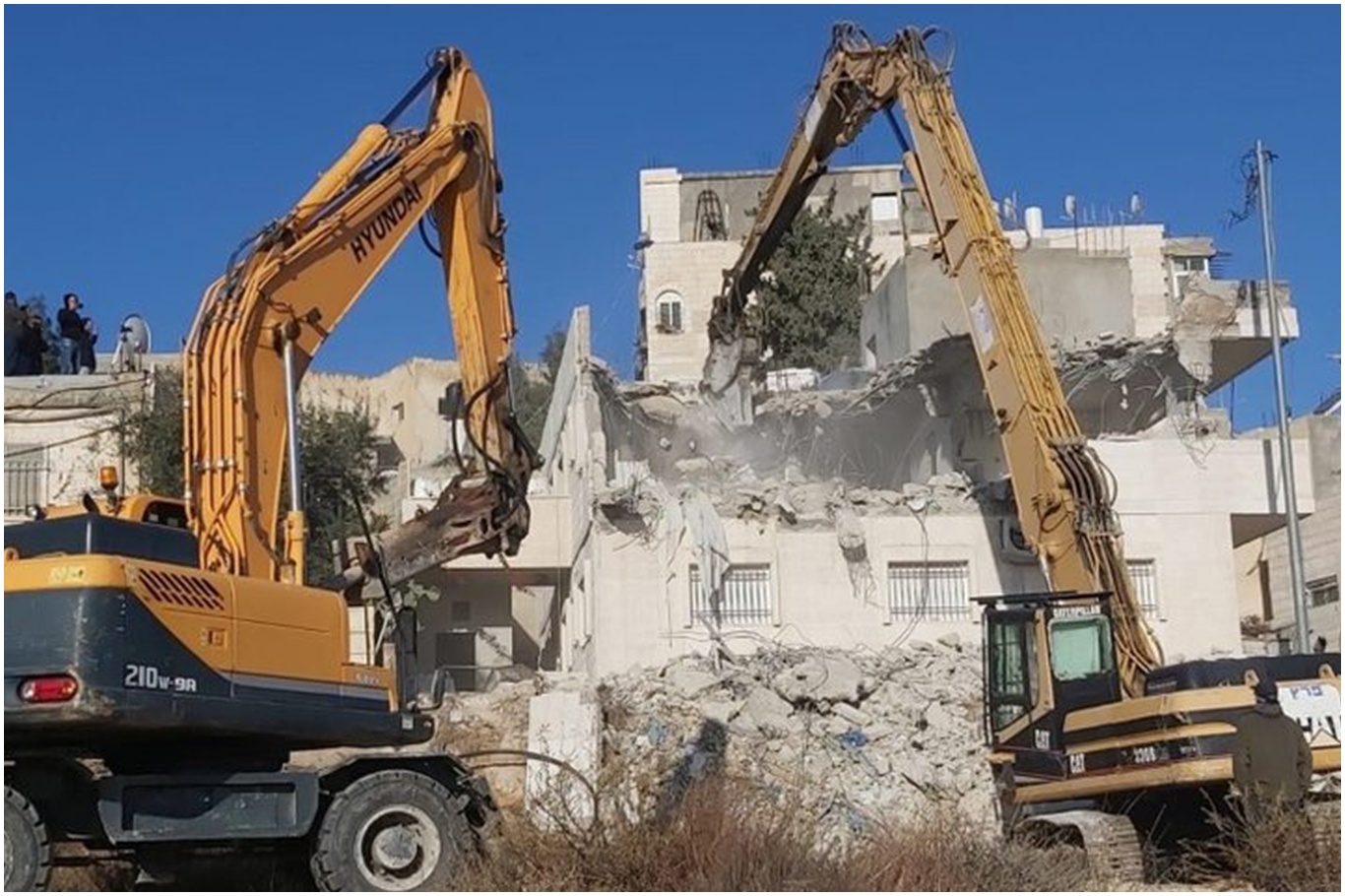
Israeli occupation forces demolish 5 Palestinian homes in Bethlehem
 13 oC
13 oC 
Güneşli

Israeli occupation forces demolished several Palestinian homes in the Bethlehem governorate on Wednesday, displacing multiple families and intensifying a systematic campaign of forced displacement and home demolitions across the occupied West Bank.
According to local sources, Israeli occupation forces stormed the town of Nahhalin, west of Bethlehem, where they demolished four Palestinian homes, including a two-storey house belonging to Mahmoud Naeem Fnoun and single-storey homes owned by Mahmoud Hosni Shakarneh, Malek Rebhi Najajreh, and Jameel Mohammad Najajreh.
The homes were inhabited at the time of the demolitions, leaving families without shelter.
Witnesses said Israeli occupation soldiers assaulted residents who attempted to protest the demolitions and fired tear gas and stun grenades at Palestinians gathered in the area.
Several residents suffered from suffocation after inhaling tear gas, while occupation forces detained a number of Palestinians, including the wife of Mahmoud Naeem Fnoun after the destruction of her family's home. A young Palestinian man was also detained after reportedly being assaulted by Israeli soldiers.
At the same time, Israeli occupation forces raided the town of Za'atara, east of Bethlehem, and began demolishing the home of Ra’ed Hassan Abu Raiya.
The house, consisting of a basement and two residential floors measuring approximately 110 square meters each, was home to a family of seven.
Abu Raiya said Israeli authorities had ordered his family to evacuate the home only one day earlier before moving in with heavy machinery to carry out the demolition.
Local sources added that an Israeli court had previously rejected a legal appeal seeking to prevent the demolition of 14 Palestinian homes in the town, clearing the way for further destruction.
Palestinian officials say the demolitions are part of a broader Israeli policy aimed at restricting Palestinian development and expanding control over occupied Palestinian land.
According to the Palestinian Colonization and Wall Resistance Commission, Israeli occupation authorities carried out 341 demolition operations during the first half of 2026, destroying 740 Palestinian-owned structures.
The demolitions affected at least 923 Palestinians, including 546 children and 431 women, many of whom were displaced after losing their homes.
During the same period, Israeli authorities also issued demolition orders against 254 additional Palestinian structures, primarily under the pretext that they had been built without permits—permits that Palestinians say are almost impossible to obtain under Israel's restrictive planning policies in the occupied West Bank.
Palestinian officials and human rights organizations have repeatedly condemned Israel's demolition campaign, describing it as a tool of forced displacement that violates international humanitarian law and contributes to the expansion of illegal Israeli settlements on occupied Palestinian territory.
The latest demolitions in Bethlehem add to the growing number of Palestinian families left homeless as Israel continues policies widely criticized by international organizations as undermining Palestinian communities and prospects for a just and lasting peace. (ILKHA)
LEGAL WARNING: All rights of the published news, photos and videos are reserved by İlke Haber Ajansı Basın Yayın San. Trade A.Ş. Under no circumstances can all or part of the news, photos and videos be used without a written contract or subscription.

The United States has waived human rights-related conditions on $320 million in military aid to Egypt, citing Cairo’s contribution to US national security interests and its “helpful role” following the launch of the US-Israeli military campaign against Iran.
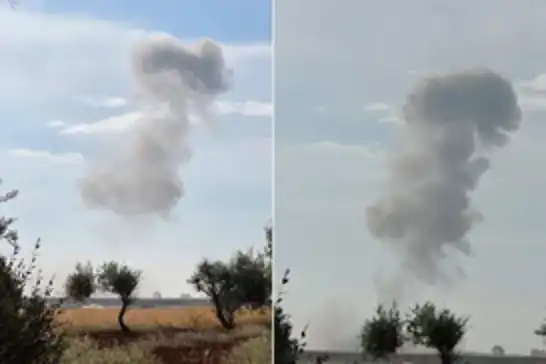
Two powerful explosions rocked the vicinity of Taftanaz military airport in northwestern Syria’s Idlib province on Friday, raising concerns among local residents, according to local media reports.
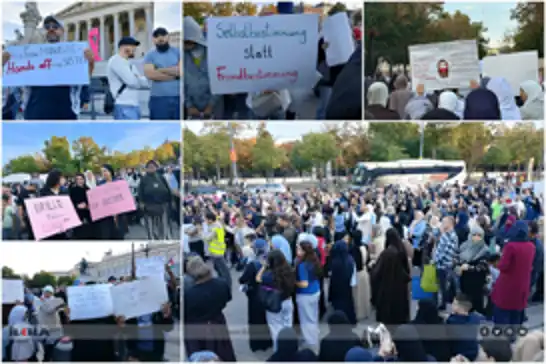
Thousands of people took to the streets of Vienna to protest Austria’s ban on headscarves for Muslim girls under 14, denouncing the measure as an infringement on religious freedom and the right of Muslim girls to make decisions about their faith.

Three oil tankers belonging to or chartered by the United Arab Emirates were damaged in incidents in the Strait of Hormuz, according to Iran's Gulf Affairs Administration (PGSA).