Israeli occupation forces withdraw from Al-Khalil after 11-day siege
 13 oC

Güneşli

Israeli occupation forces withdrew from several neighbourhoods of Al-Khalil on Monday after imposing an 11-day siege on the city following a military operation, allowing forcibly displaced families to return to their homes and students to resume their education.
Al-Khalil Mayor Yusuf al-Jabari said families who were forced to leave their homes could return and that students would be able to go back to their schools following the withdrawal.
Al-Khalil Governor Khalid Dudin said in a statement that following the withdrawal of the occupation forces, Palestinian security forces had taken full control of the area.
Dudin added that relevant authorities and Palestinian security forces were monitoring developments on the ground and working to ensure the necessary conditions for residents to safely return.
Residents return after occupation forces withdraw
The occupation forces began surrounding Al-Khalil on October 23 following a shooting operation carried out by two Palestinians that resulted in the killing of two occupation soldiers and the injury of three others. The occupation forces later killed the two Palestinians who carried out the operation.
Al-Jabari said in a statement to Al Jazeera that the municipality was officially informed of the withdrawal decision at 6:00 am.
He said that for the first time in 10 days, primary school students were able to return to their schools, while university students also resumed their journeys to universities. He added that five universities had been closed during the siege.
Al-Jabari said the city had been completely closed, with no entry or exit allowed, causing all aspects of life to come to a standstill, including economic activity, education, healthcare services and municipal operations.
Local media reported that vehicles carrying displaced families began arriving minutes after the governor’s announcement.
Some residents returning to their homes said occupation forces had damaged the interiors of houses that had been used as military posts, while others reported that money and personal belongings had been stolen.
Siege disrupted daily life, education and economy
The siege imposed by the occupation forces resulted in the displacement of more than 537 families and the closure of at least 317 shops, while restrictions at checkpoints affected the wider Al-Khalil Governorate, which has a population of around 800,000.
According to Al-Khalil Governorate authorities, more than 3,300 Palestinians, particularly in the Al-Jalda and Ain Deir Baha areas, were displaced or otherwise affected by the military operation.
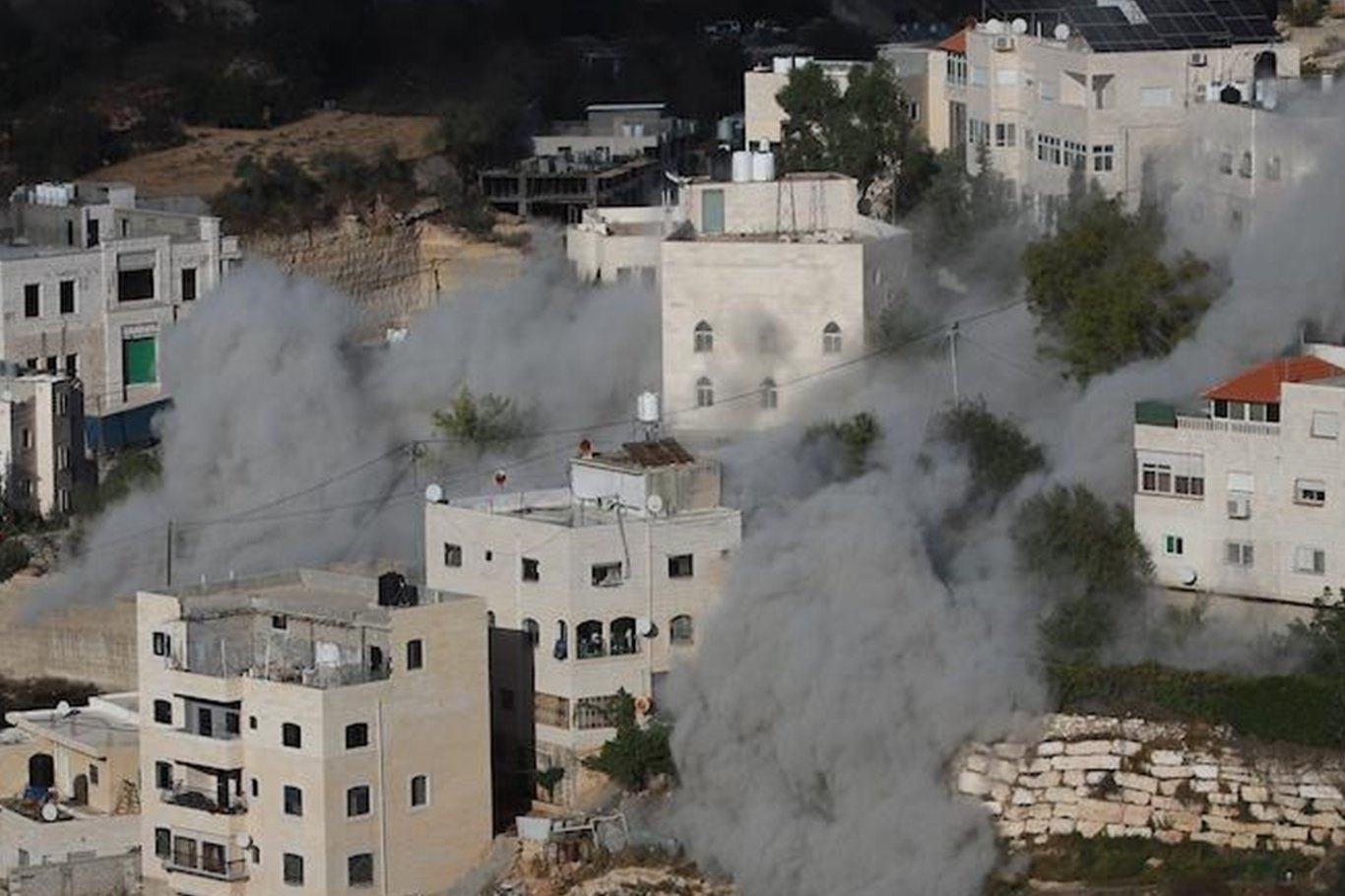
The governorate said 15 homes and other structures were demolished, while the siege caused damage to the local economy and infrastructure and disrupted education.
Internal review launched after surveillance and military operation
The withdrawal came after an 11-day military operation during which occupation forces imposed severe restrictions on movement, carried out raids, and took over homes in some areas, turning them into military posts.
Palestinian authorities said residents had begun returning to affected neighbourhoods after the withdrawal, while efforts were underway to assess the damage caused during the operation.
The latest developments come amid continued international attention over Israel’s military actions in the occupied West Bank and their impact on Palestinian civilians.(ILKHA)
LEGAL WARNING: All rights of the published news, photos and videos are reserved by İlke Haber Ajansı Basın Yayın San. Trade A.Ş. Under no circumstances can all or part of the news, photos and videos be used without a written contract or subscription.
Turkish President Recep Tayyip Erdoğan has called for stronger political and economic ties with South Korea, setting a $15 billion bilateral trade target and identifying defence, nuclear energy, artificial intelligence and renewable energy as key areas for cooperation.

Afghanistan's Ambassador to Saudi Arabia, Sheikh Abdul Fattah Rahimi, met with his Turkish counterpart, Amrullah Eşler, in Riyadh to discuss bilateral relations and diplomatic cooperation.

A five-month facial recognition technology trial conducted by police in Western Australia scanned the faces of 1,380,882 people, resulting in 122 arrests and nine false matches, while also raising concerns over privacy, mass surveillance and algorithmic bias.