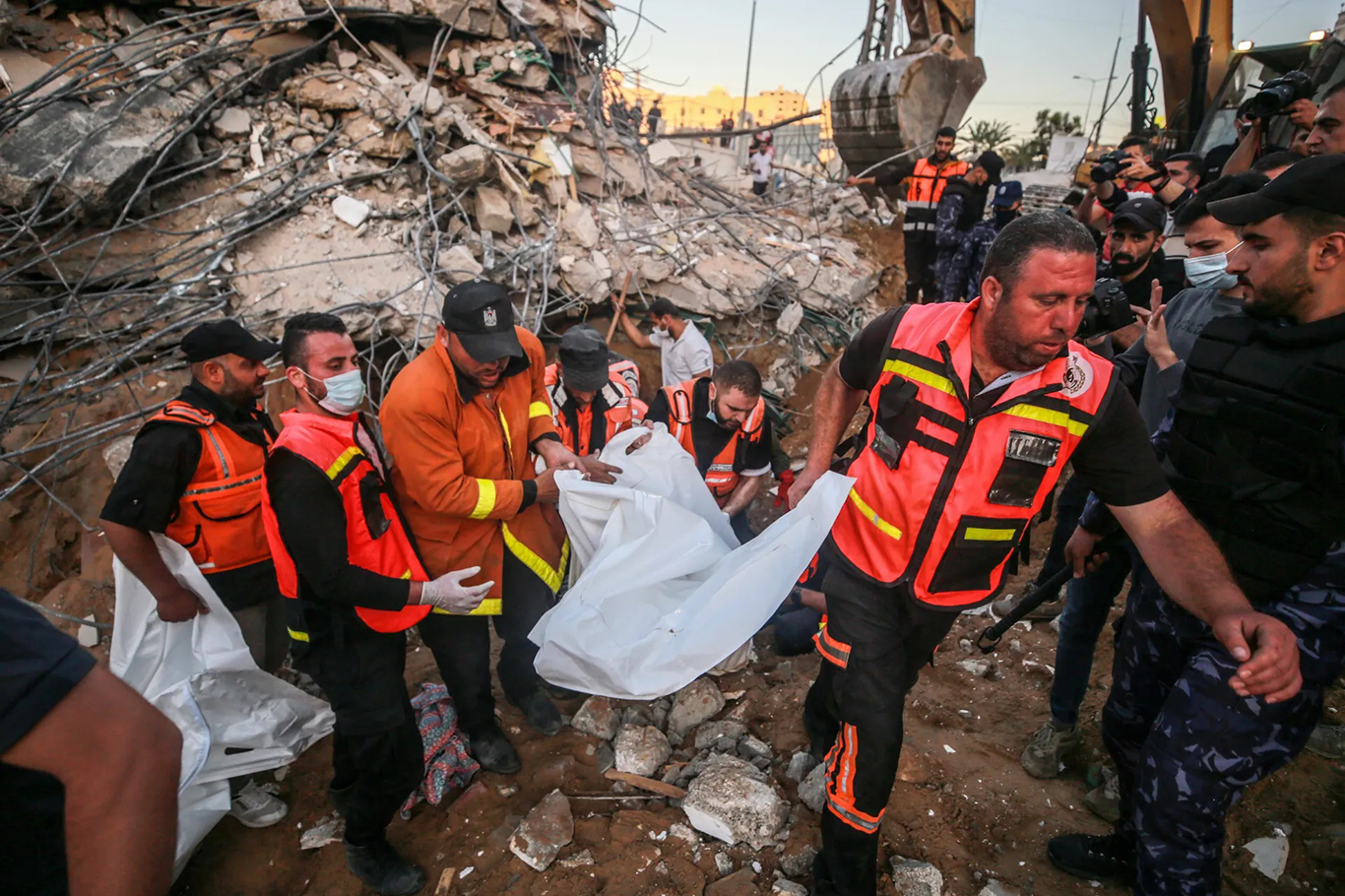
Israeli strikes kill eight Palestinians as Gaza hospitals face imminent collapse
 13 oC
13 oC 
Güneşli

Eight Palestinians were killed early Sunday in a new wave of Israeli attacks targeting both the southern and northern parts of the Gaza Strip, according to local sources.
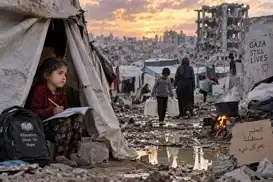
In southern Gaza, four victims were brought to Nasser Medical Complex after an airstrike struck an area near the Turkish slaughterhouse west of Khan Yunis. In the north, four more Palestinians were killed when Israeli warplanes bombed a tent sheltering displaced civilians near the Telecommunications Junction west of Jabaliya.
The aerial assaults coincided with heavy gunfire by Israeli forces east of the Zaytoun neighborhood, southeast of Gaza City, in what residents described as an ongoing escalation targeting residential districts and areas surrounding displacement shelters.
Israeli forces also detonated an explosive-laden robotic device in the Sheikh Zayed area of northern Gaza, further intensifying the violence.
According to Gaza’s Health Ministry, at least 591 Palestinians have been killed, 1,598 wounded, and 726 bodies recovered from beneath the rubble since the October 11, 2025 ceasefire agreement took effect, despite a relative decline in large-scale bombardment.
Hospitals on the Brink of Collapse
Medical officials across Gaza have warned that the territory’s already devastated healthcare system is nearing total collapse due to critical fuel shortages threatening hospital electricity generators.
Dr. Mohammed Abu Salmiya, director of Al-Shifa Medical Complex, cautioned that if generators shut down, hospitals would become “places of death, not treatment.” He noted that generators have been running continuously since October 7, 2023, with no alternative power sources available, while the entry of fuel, spare parts, and essential maintenance equipment remains heavily restricted.
The crisis is already disrupting operations at several facilities. At Al-Aqsa Martyrs Hospital in Deir al-Balah, two main generators have failed, and dwindling fuel supplies threaten to halt services entirely. Abu Salmiya said the same risks confront Al-Shifa, Nasser Hospital in Khan Yunis, and other medical centers throughout the Strip.
A complete shutdown would paralyze operating theatres, intensive care units, neonatal incubators, laboratories, blood banks, and dialysis departments, placing thousands of wounded patients and chronically ill civilians in immediate danger.
Hospitals are also grappling with severe shortages of medicines, medical supplies, and ICU beds. Oxygen demand has surged amid heavy dust conditions in Gaza City, further straining limited resources.
Since the ceasefire, no new medical equipment — including generators, imaging machines, or MRI devices — has entered Gaza. Health officials say available medicines cover only about 20 percent of actual needs. Cancer patients are unable to access chemotherapy, and numerous critical surgeries cannot be performed.
Khalil al-Daqran, spokesperson for Al-Aqsa Martyrs Hospital, warned that the coming hours are decisive, as remaining fuel stocks are insufficient to sustain generator operations for long. With Gaza’s electricity grid largely destroyed, hospitals rely entirely on backup power, leaving intensive care and emergency patients at extreme risk.
Mounting Human Toll
Israel’s war on Gaza, which began on October 7, 2023, has killed more than 72,000 Palestinians and wounded over 171,000 others, the majority of them women and children, according to Palestinian health authorities.
Approximately 90 percent of Gaza’s civilian infrastructure has been destroyed. Thousands remain missing beneath collapsed buildings, while much of the population continues to live in displacement, facing acute shortages of food, clean water, medical care, and basic shelter. (ILKHA)
LEGAL WARNING: All rights of the published news, photos and videos are reserved by İlke Haber Ajansı Basın Yayın San. Trade A.Ş. Under no circumstances can all or part of the news, photos and videos be used without a written contract or subscription.

Iraqi Prime Minister Ali Faleh al-Zaidi met with Turkish Foreign Minister Hakan Fidan in Baghdad on Saturday to discuss strengthening bilateral relations, advancing major economic projects and expanding security cooperation between the two neighbouring countries.
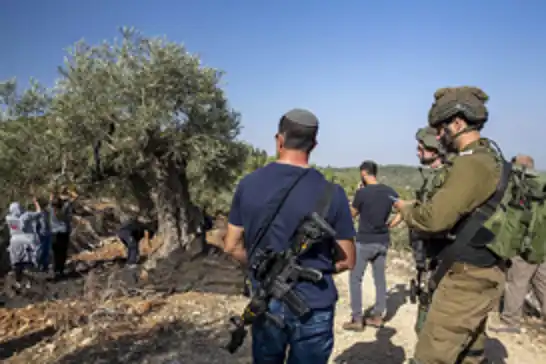
Israeli settlers assaulted Palestinian farmers and stole their olive harvest and agricultural equipment in the occupied West Bank village of al-Lubban ash-Sharqiya, south of Nablus, on Saturday, marking the third consecutive day of attacks targeting Palestinians during the olive harvest season.

At least 17 people, including a seven-year-old girl, were killed and several others injured in a stampede at a Hindu religious festival in the eastern Indian city of Kolkata on Saturday, as heavy rain and a sudden surge in the crowd triggered panic at a crowded festival venue.
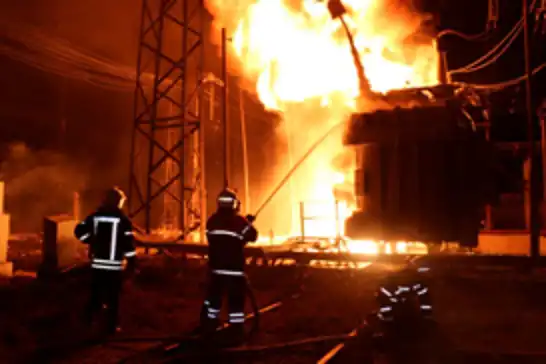
Russian attacks across Ukraine killed seven people and injured around 90 over the past 24 hours, regional authorities said on Saturday, as Moscow launched one of its largest assaults on the country’s energy infrastructure ahead of winter.