Italy approves electoral reform aimed at strengthening government stability
 13 oC
13 oC 
Güneşli

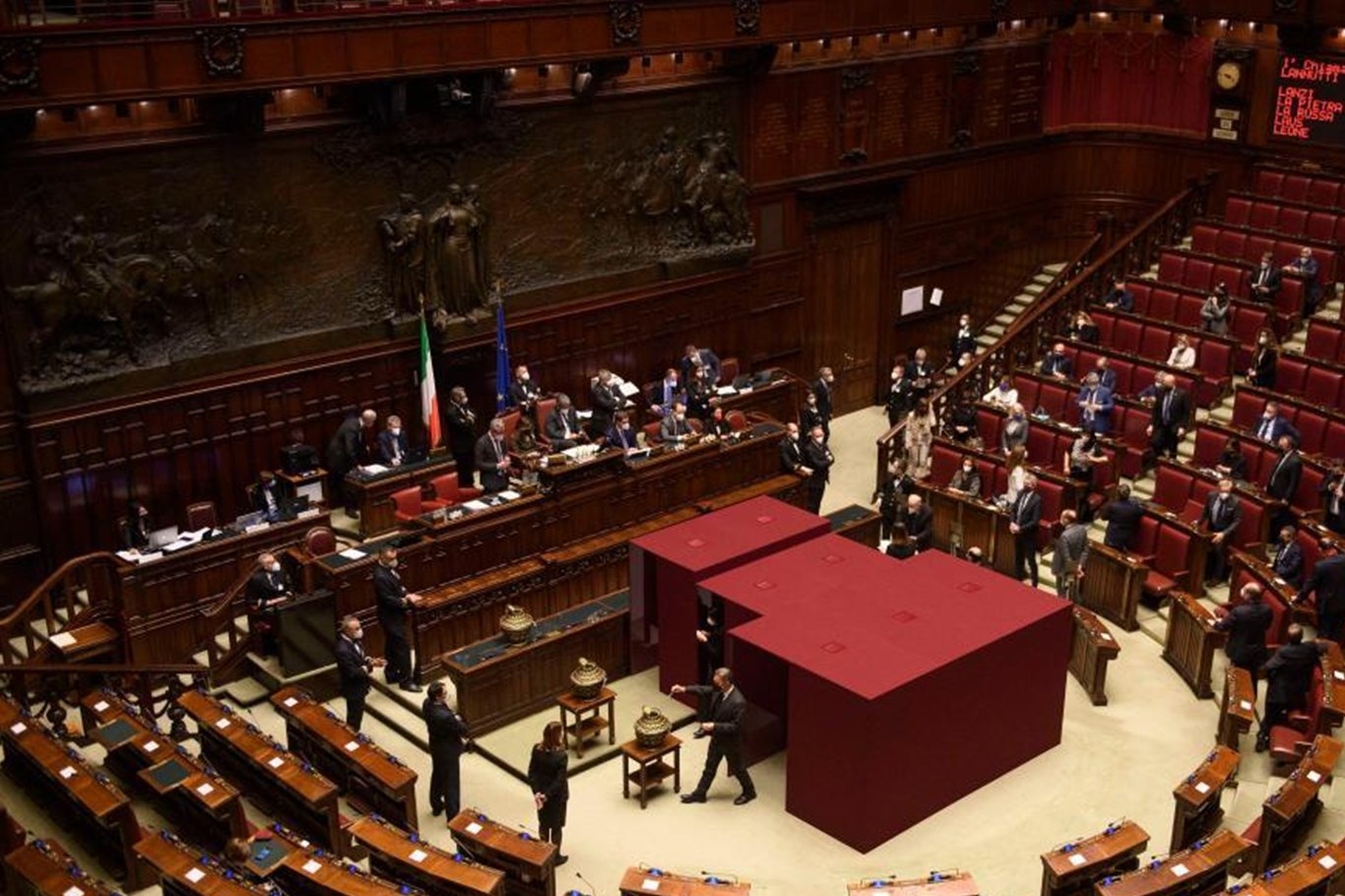
Italy's lower house of parliament has given final approval to a new electoral reform proposed by parties in Prime Minister Giorgia Meloni's ruling coalition, introducing major changes to the country's voting system.
The reform was approved with 227 lawmakers voting in favor and 164 voting against, replacing the current mixed electoral system, which combines majority voting and proportional representation, with a new proportional representation-based system.
The new law introduces a mechanism that grants additional seats to the coalition receiving the highest number of votes, provided that it secures at least 42 per cent of the vote. Supporters of the reform say the system aims to ensure a functioning parliamentary majority and prevent political instability.
Majority bonus for winning coalition
Under the new system, the coalition that surpasses the 42 per cent threshold will receive additional seats in parliament.
The winning coalition will be granted up to 70 additional seats in the 400-member Chamber of Deputies and up to 35 extra seats in the 200-member Senate. However, the law sets limits on the maximum number of seats a coalition can obtain, preventing the majority bonus from creating an excessive concentration of power.
A coalition will not be able to exceed 220 seats in the lower house or 113 seats in the Senate, according to the new rules.
If no coalition reaches the 42 per cent threshold, or if the election results for the Chamber of Deputies and Senate produce different outcomes, seats will instead be distributed entirely according to proportional representation.
New rules for coalitions and candidates
The reform requires electoral coalitions to announce their candidate for prime minister before elections.
The law also allows voters to express preferences for up to three candidates from party lists consisting of six names. The lists must follow a gender alternation system, requiring male and female candidates to appear alternately.
The new electoral framework also introduces thresholds for political groups. Coalitions must receive at least 10 per cent of the vote to qualify, while parties running independently must secure at least 3 per cent.
Supporters of the reform argue that the changes will help create stronger governments and reduce the frequent political uncertainty that has characterized Italy's parliamentary system in recent decades.
Opposition raises concerns
Opposition parties have criticized the reform, arguing that it could provide an advantage to Meloni's ruling coalition and reshape the electoral system in favor of larger political groups.
Critics have also objected to changes affecting smaller parties, including a requirement that parties outside parliament collect more signatures to participate in elections.
Under the new rules, the number of required signatures has increased from 1,500 to 6,000 in each electoral district, a move opposition groups say could make it harder for smaller parties to compete.
The reform represents one of the most significant changes to Italy's electoral framework in recent years and is expected to influence future election campaigns, coalition strategies and government formation.(ILKHA)
LEGAL WARNING: All rights of the published news, photos and videos are reserved by İlke Haber Ajansı Basın Yayın San. Trade A.Ş. Under no circumstances can all or part of the news, photos and videos be used without a written contract or subscription.

Sheikh Ra’ed Salah, head of the Islamic Movement in 1948-occupied Palestine, has called on Palestinians to travel en masse to the Al-Aqsa Mosque in occupied Jerusalem, urging them to strengthen their presence at the holy site in the face of escalating Israeli restrictions and settler incursions.

New York City Mayor Zohran Mamdani on Wednesday highlighted what he described as U.S. “complicity” in the genocide in the Gaza Strip, marking the third anniversary of the October 7, 2023 attacks.
A diplomatic crisis between the Israel regime and Britain has deepened after London imposed measures targeting illegal settlements in the occupied West Bank, prompting a dispute over the status of the British diplomatic mission in Al-Quds.