Khamenei: US hegemony in irreversible decline as Iran stands firm against aggression
 13 oC

Güneşli

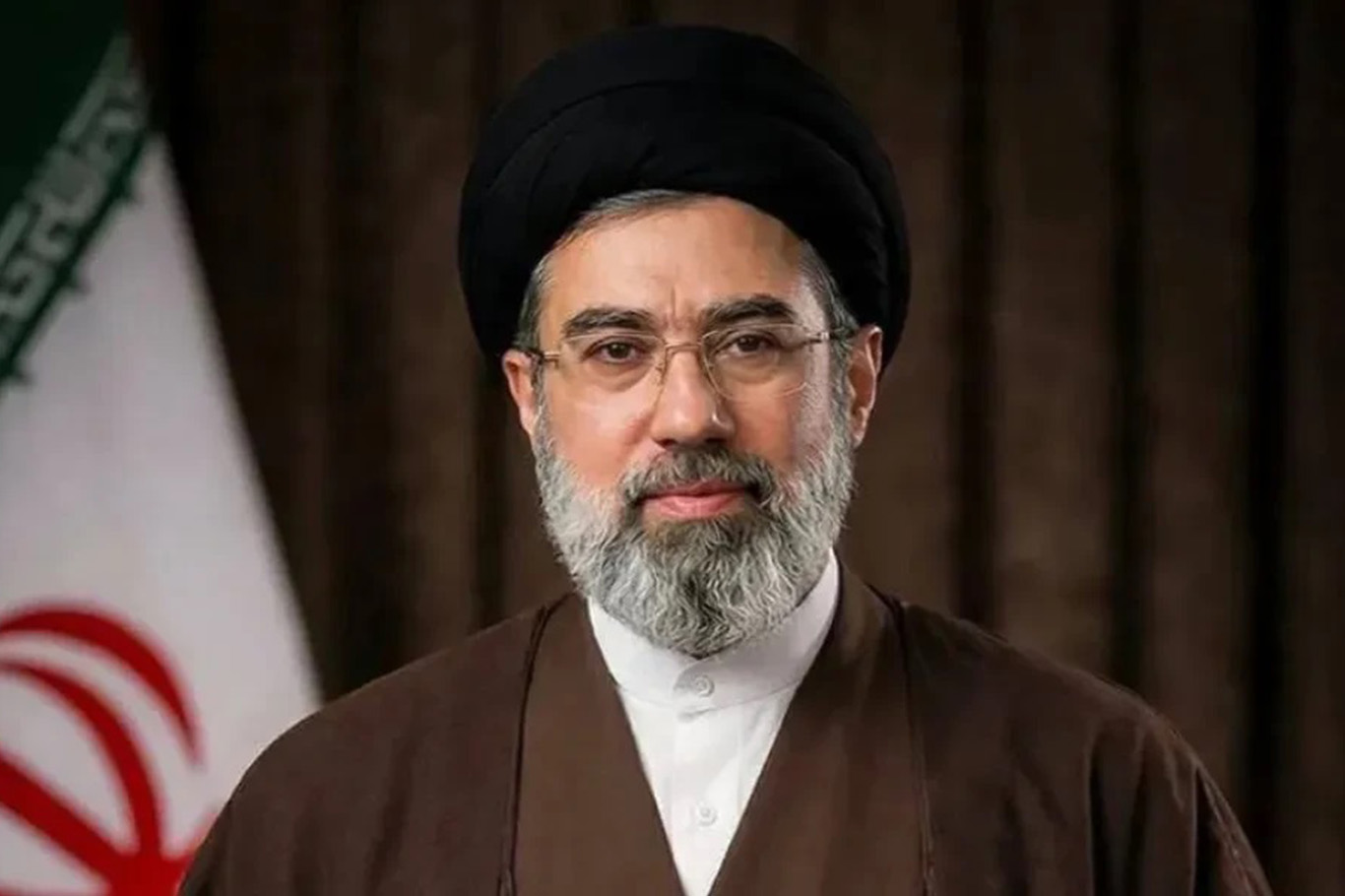
Iran's Leader Ayatollah Seyed Mojtaba Hosseini Khamenei has said the United States is experiencing an irreversible decline in both its military strength and international influence, declaring that Washington's decades-long efforts to dominate Iran have failed in the face of the Iranian nation's resistance.
In a message issued on Wednesday to mark Iran's National Day of Fighting Global Arrogance and National Students Day, Ayatollah Khamenei said recent developments had exposed the limits of US power and accelerated the decline of its global hegemony.
The annual observance on November 4 commemorates the 1979 takeover of the US Embassy in Tehran by Iranian revolutionary students, an event that became a symbol of Iran's opposition to American interference.
Reviewing the history of US-Iran relations, the Leader traced Washington's hostility towards Iran to the 1953 coup that overthrew Prime Minister Mohammad Mossadegh, accusing the United States of seeking to control the country's resources, particularly its oil, and preserve its influence over Iran's political system.
He said US support for the former Shah's regime, including the establishment of the SAVAK intelligence service and the suppression of political opposition, reflected Washington's determination to maintain its domination over the country.
Ayatollah Khamenei also listed a series of actions he attributed to the United States following the 1979 Islamic Revolution, including support for separatist groups and coup attempts, backing for Iraq during the 1980–1988 war, the downing of an Iranian passenger aircraft, decades of economic sanctions, assassinations and the seizure of Iranian assets abroad.
He further accused Washington of directly participating in military aggression against Iran during what he described as the Second and Third Imposed Wars, saying the attacks had killed Iranian commanders, scientists, prominent figures and civilians, including children and elderly people.
According to the Leader, the United States has repeatedly sought to weaken Iran, undermine its political system and force the country into submission. However, he said, Washington's ambitions had repeatedly been frustrated by the determination and resilience of the Iranian people.
Addressing the latest regional developments, Ayatollah Khamenei said the situation in the Persian Gulf, particularly the Strait of Hormuz, had dealt a major blow to the perception of American military invincibility.
He argued that Iran's ability to exercise control over the strategic waterway and the destruction of US military bases in regional countries had demonstrated the vulnerability of Washington and governments dependent on foreign military protection.
The Leader described Iran's actions as a response to US aggression during the Third Imposed War, warning that any renewed attack would be met with a much broader response.
He also praised what he called the strategic contributions of the Resistance Front across Palestine, Lebanon, Iraq and Yemen, saying the unity and determination of regional resistance movements were helping pave the way for a new international order.
Ayatollah Khamenei said the confrontation between what he described as the Front of Truth and the Front of Falsehood was entering a decisive phase, expressing confidence that the United States and its allies would ultimately face defeat.
The Leader rejected the possibility that changes in US political leadership or concessions by Tehran could bring an end to Washington's hostility towards Iran.
He said those who believed that accommodating the United States could persuade it to abandon its pressure campaign were mistaken, arguing that Washington's ultimate objective was Iran's unconditional surrender.
Any move towards submission, he warned, would undermine the sacrifices made by the Iranian people and the country's martyrs while encouraging further US demands and aggression.
"The only way to achieve complete deterrence lies in sustaining the 'Stronger-than-ever Iran' strategy on the path to comprehensive progress," he said.
He identified national unity, social cohesion and solidarity between the people and state institutions as essential pillars of Iran's strength, urging officials to remain committed to public service and improving people's living conditions.
Ayatollah Khamenei also highlighted the role of young people, university students and schoolchildren in shaping Iran's future, describing them as the vanguard of the country's progress.
He urged the younger generation to reject despair and hopelessness, embrace confidence in their abilities and equip themselves with knowledge, faith, practical skills, strong ethical values and determination.
The Leader concluded by expressing hope that Iran would achieve victory, prosperity and comprehensive progress through national unity, steadfastness and reliance on God.
He also predicted that the decline of what he called the "Great Satan's" global domination would continue to accelerate. (ILKHA)
LEGAL WARNING: All rights of the published news, photos and videos are reserved by İlke Haber Ajansı Basın Yayın San. Trade A.Ş. Under no circumstances can all or part of the news, photos and videos be used without a written contract or subscription.
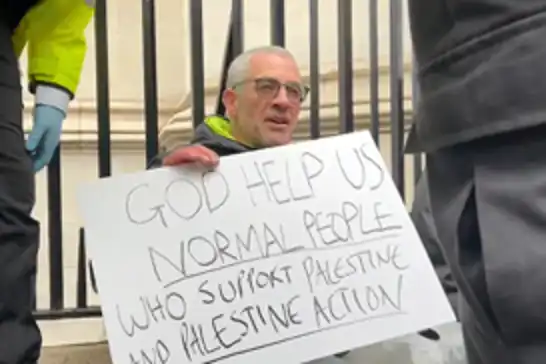
British police arrested 25 pro-Palestinian protesters outside the UK Supreme Court in London on Wednesday as judges began hearing a legal challenge to the government's decision to ban Palestine Action under anti-terrorism legislation.
Iran's Islamic Revolution Guard Corps (IRGC) has announced that four oil tankers were destroyed after striking naval mines in the southern Strait of Hormuz, while claiming that its air defence forces shot down a US MQ-9 drone over the strategic waterway.

A cyberattack targeting the cooling systems of three plasma storage facilities belonging to France's national blood service was prevented before any blood products were damaged.