Lebanon approves first general amnesty law in 35 years
 13 oC
13 oC 
Güneşli

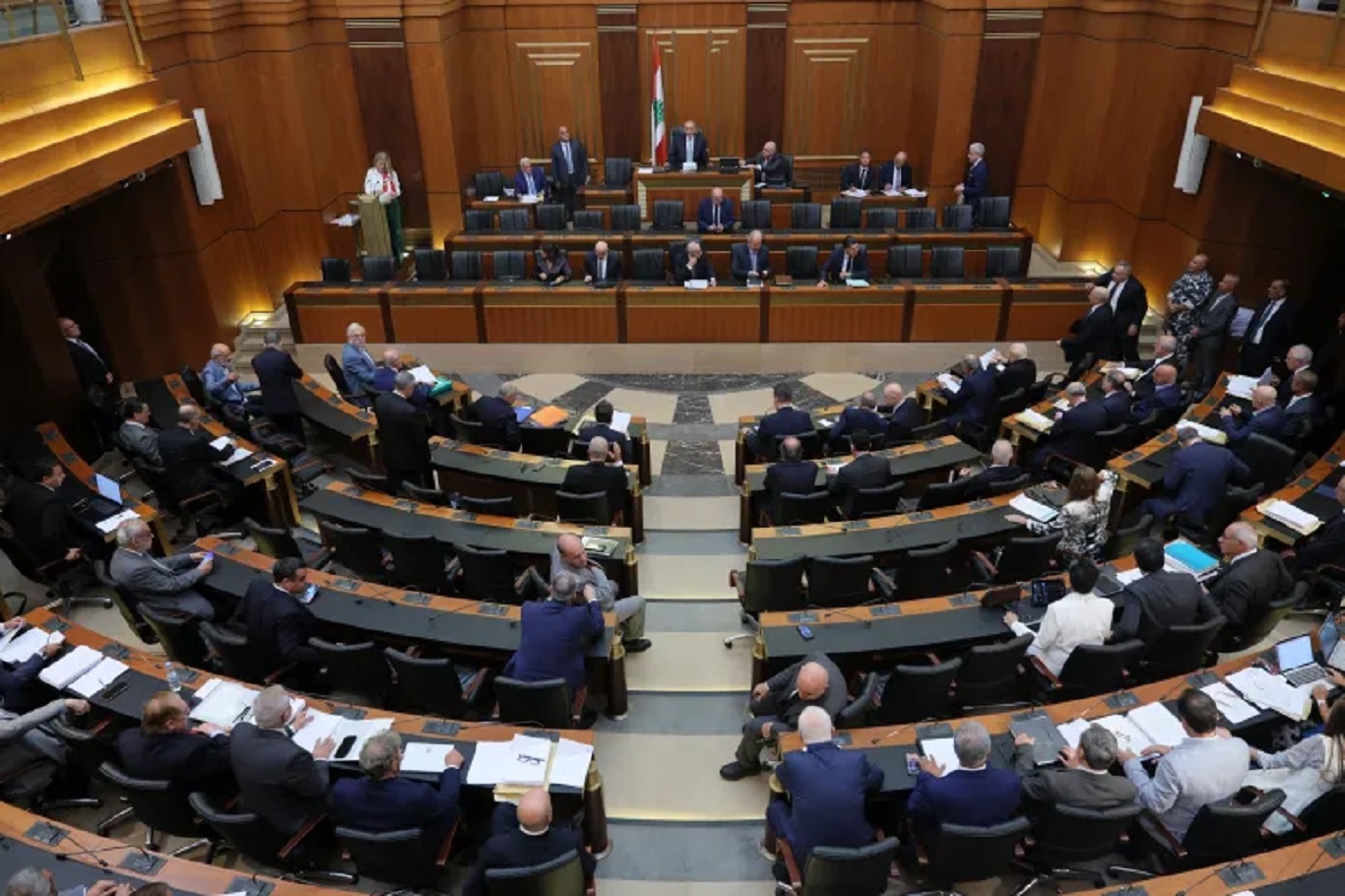
Lebanon’s parliament has approved a long-awaited general amnesty law covering thousands of prisoners and detainees, marking the country’s first such measure in 35 years.
According to local media reports, the law reduces the prison term required for release from 14 years to 12 years and introduces changes to provisions concerning certain legal rights and the prosecution of cases outside prison.
Supporters say the measure will help ease Lebanon’s severe prison overcrowding and provide relief for people who have been held for years without trial. Critics argue that the law could reinforce the country’s sectarian and political power-sharing system rather than reflect a broader agreement among Lebanon’s different communities.
Lebanon’s political system divides key state positions and parliamentary representation among the country’s major religious communities, making amnesty laws a politically sensitive issue.
Unofficial figures published by human rights organizations estimate that around 8,500 people are being held in Lebanese prisons, with occupancy exceeding 330% of official capacity.
More than 48 prisoners died in Lebanese prisons in 2025, an average of about four deaths a month, according to the figures.
Around one-third of detainees are being held without having been convicted, while approximately 1,200 people have reportedly been detained without judicial arrest warrants, based solely on security-related assessments.
What does the law provide?
Under the new legislation, death sentences will be commuted to 28 years in prison, with nine months of imprisonment counted as one year under the law. Life sentences involving hard labor will be reduced to 17 years, while other prison sentences will be reduced by one-third.
For detainees who have not been convicted, judges will be required to order their release if they have spent more than 12 years in detention, regardless of the offense for which they are being held.
The measure comes as Lebanon continues to face severe pressure on its prison system, with overcrowding and the large number of detainees awaiting trial remaining major concerns for human rights groups.(ILKHA)
LEGAL WARNING: All rights of the published news, photos and videos are reserved by İlke Haber Ajansı Basın Yayın San. Trade A.Ş. Under no circumstances can all or part of the news, photos and videos be used without a written contract or subscription.
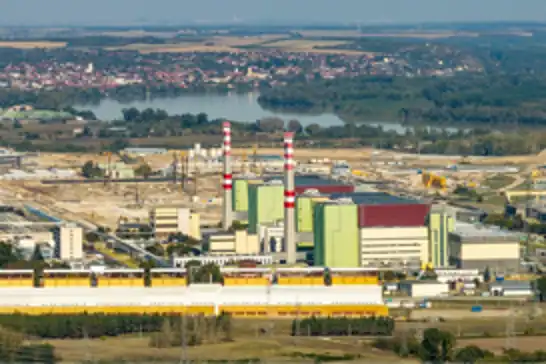
Hungary will immediately begin constructing an underwater dam on the Danube River to prevent critically low water levels from disrupting operations at the Paks Nuclear Power Plant, Prime Minister Peter Magyar said.
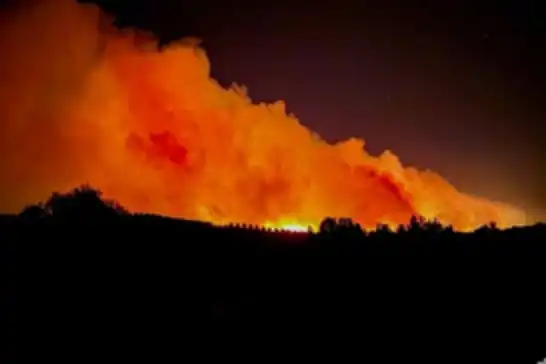
Wildfires burning across Indonesia during the dry season have sent thick haze into neighboring Malaysia, forcing authorities to suspend outdoor school activities in affected areas as firefighters continue efforts to contain the blazes.

Turkish Foreign Minister Hakan Fidan met with General Saddam Haftar, deputy commander of the Libyan National Army (LNA), in Benghazi on Wednesday as Ankara steps up diplomatic engagement with both eastern and western Libya.