Lithuania moves to lift constitutional ban on nuclear weapons
 13 oC
13 oC 
Güneşli

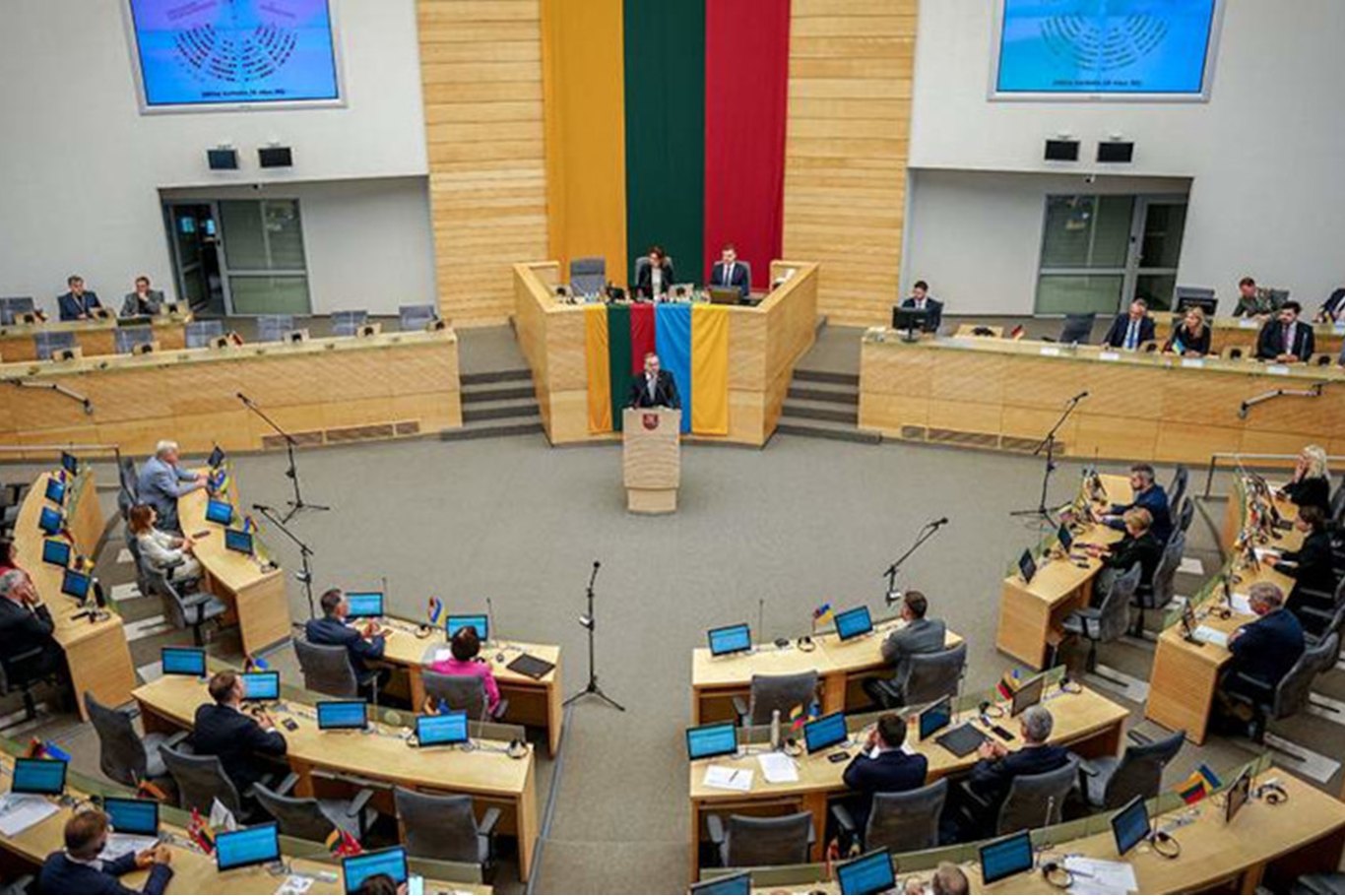
Lithuania's parliament has advanced a proposal to remove a constitutional restriction that currently prohibits the deployment of nuclear weapons and foreign military bases on its territory, as the Baltic NATO member seeks to strengthen its role in the alliance's collective deterrence system.
The Seimas considered the proposal on Tuesday, September 22, referring the constitutional amendment for further parliamentary consideration. The move follows an earlier agreement among Lithuania's parliamentary parties to pursue changes to the country's constitutional restrictions on nuclear weapons and foreign military bases.
The proposal seeks to repeal Article 137 of Lithuania's Constitution, which currently states that weapons of mass destruction and foreign military bases may not be located on Lithuanian territory.
The initiative has been presented by its supporters as a measure aimed at ensuring that Lithuania can participate fully in NATO's nuclear deterrence arrangements if the security situation requires it.
"The NATO nuclear shield is one of the essential foundations of the Alliance's deterrence," the explanatory material accompanying the proposal says, arguing that the existing constitutional restriction could limit Lithuania's ability to participate fully in NATO's collective defense and deterrence system.
The constitutional amendment must clear two separate parliamentary votes, with an interval of at least three months between them. A qualified majority of at least 94 of the Seimas' 141 members is required for approval.
The first vote is scheduled for October 6, while the second is planned for January 12, according to the parliamentary timetable cited in the proposal.
The initiative therefore remains subject to further parliamentary consideration and does not yet change Lithuania's constitutional position.
Lithuania's current Article 137 imposes an absolute constitutional prohibition on weapons of mass destruction and foreign military bases on its territory.
The proposed change comes amid heightened security concerns in the Baltic region following Russia's invasion of Ukraine and growing NATO-Russia tensions.
Lithuanian lawmakers behind the proposal have pointed to Russia's nuclear rhetoric, the modernization of its nuclear forces and military infrastructure in neighboring areas, including the Kaliningrad region and Belarus, as reasons for reconsidering the constitutional restriction.
Reuters reported in July that Lithuania's parliamentary parties had agreed on a plan to lift the constitutional restrictions, describing the proposed change as part of a broader reassessment of the country's security policy.
The proposal would not automatically result in nuclear weapons being stationed in Lithuania. Rather, removing Article 137 would eliminate the constitutional barrier and leave any future decisions on the deployment of such weapons to Lithuania's legal and political framework and its arrangements with NATO allies.
Lithuania has been a NATO member since 2004 and has hosted allied forces as part of the alliance's efforts to reinforce its eastern flank.
The proposed constitutional amendment is therefore being considered against a wider debate within NATO over deterrence, allied military deployments and the security of the alliance's eastern members. (ILKHA)
LEGAL WARNING: All rights of the published news, photos and videos are reserved by İlke Haber Ajansı Basın Yayın San. Trade A.Ş. Under no circumstances can all or part of the news, photos and videos be used without a written contract or subscription.
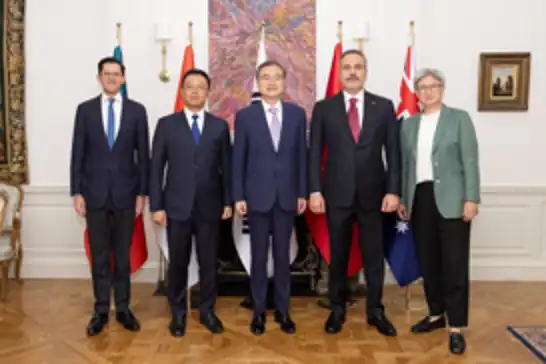
Turkish Foreign Minister Hakan Fidan attended the 30th MIKTA Foreign Ministers’ Meeting on the sidelines of the 81st session of the United Nations General Assembly (UNGA) in New York.

Three babies were killed and several hospital staff members were injured after a fire broke out in the neonatal care unit of a government hospital in India's southern Telangana state.
Libya's High Council of State and several political parties have rejected the outcomes of the “4+4” election committee, saying the committee’s conclusions cannot override Libya’s constitutional declaration, existing laws and the authority of legitimate state institutions.