Meloni warns civilian infrastructure across Europe is increasingly under threat
 13 oC

Güneşli

Italian Prime Minister Giorgia Meloni has warned that civilian infrastructure across Europe is increasingly vulnerable to attacks following a series of cyber incidents targeting food supplies and blood storage facilities, as well as bomb threats disrupting passenger flights.
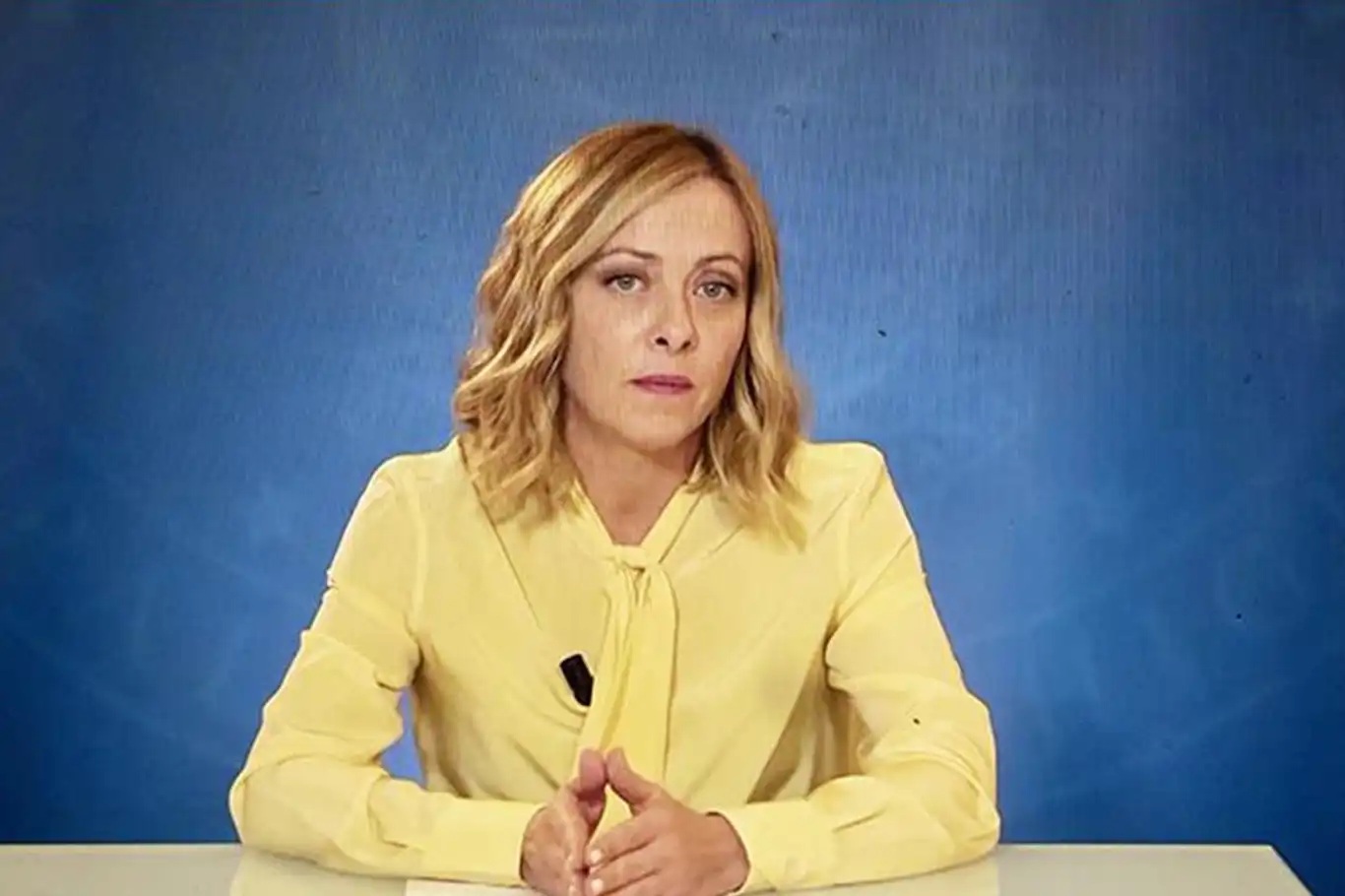
“Right now we're not able to say whether the attack on plasma in France, the fake bomb threats on planes, or the assaults targeting food products are all connected. But they definitely all tell us the same thing: today, what is under attack are civilian infrastructures,” Meloni told reporters on Friday on the sidelines of an event in Verona.
She stressed that security spending should not be viewed solely in terms of military equipment, arguing that protecting essential services and people's daily lives was also a matter of national security.
The warning comes amid a growing series of incidents affecting supermarkets, healthcare facilities, transportation networks and media organisations across Europe.
Cyberattacks disrupt supermarket refrigeration systems
In one of the most significant incidents, hackers remotely manipulated refrigeration systems at hundreds of French supermarkets, causing temperatures in some units to rise to 50 degrees Celsius (122 degrees Fahrenheit).
The attacks resulted in food spoilage and disrupted supermarket operations, with similar incidents reported on Nov. 2 in Belgium, Sweden, Ireland, Luxembourg and Estonia, among other countries.
Several supermarket chains were forced to remove chilled and frozen products from their shelves as a precaution. The incidents raised concerns about the vulnerability of remotely managed refrigeration systems and their potential impact on food supplies.
Italy also reported limited disruptions at some supermarkets, although the government said the impact on the country's food distribution network remained contained.
French blood storage facilities also targeted
The cyber incidents extended beyond food supplies to healthcare infrastructure in France.
The French Blood Establishment (EFS) reported that a cyberattack involving a refrigeration equipment supplier affected temperature-control systems at three of its facilities on Nov. 2.
The incident raised concerns over the safety of blood products stored for medical use. However, monitoring and backup systems helped secure the biological materials and prevented reported losses.
The attack highlighted the potential consequences of cyber intrusions targeting systems that support hospitals and emergency medical services.
Bomb threats disrupt flights and media organisations
Meanwhile, a wave of bomb hoaxes disrupted at least 27 passenger flights across Europe on Thursday, Nov. 5, forcing several aircraft to make unscheduled landings or change course. Some flights were escorted by fighter jets.
A further 11 threats against passenger flights were reported on Friday, according to the Associated Press, adding to concerns over the scale of the disruption.
Several airlines and airports carried out security inspections, but no explosives were found in the aircraft involved in the reported incidents.
The threats also spread beyond aviation. Media organisations in Ireland and the United Kingdom received threatening emails on Friday, prompting evacuations at several newsrooms, including the headquarters of Ireland's public broadcaster RTÉ.
Authorities have not established whether the various incidents are connected or identified those responsible for the latest wave of threats.
European authorities investigate possible wider campaign
The incidents have intensified concerns over possible hybrid threats targeting essential civilian services. However, investigators have yet to establish a common origin or motive behind the attacks.
Security officials and experts have raised questions about whether the incidents could form part of a broader campaign involving cyberattacks, sabotage and intimidation, although no coordinated operation has been confirmed.
The Kremlin has rejected allegations of Russian involvement in the incidents, describing accusations against Moscow as unfounded.
Meloni said the developments underscored the need to strengthen the protection of civilian infrastructure, including food distribution, healthcare and transportation systems.
She argued that investments in security were essential to safeguarding everyday life, not merely strengthening military capabilities. (ILKHA)
LEGAL WARNING: All rights of the published news, photos and videos are reserved by İlke Haber Ajansı Basın Yayın San. Trade A.Ş. Under no circumstances can all or part of the news, photos and videos be used without a written contract or subscription.
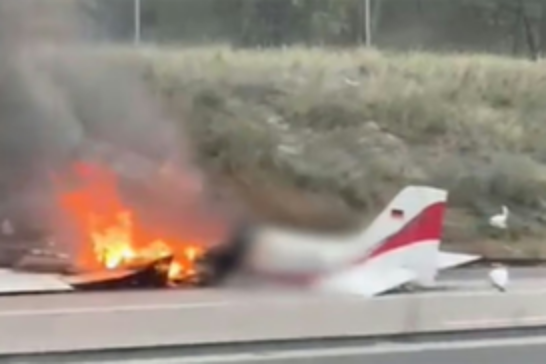
Two people were killed on Friday after a small aircraft crashed onto Germany's A2 motorway in the eastern state of Saxony-Anhalt, prompting the closure of all lanes heading towards Hannover, police said.
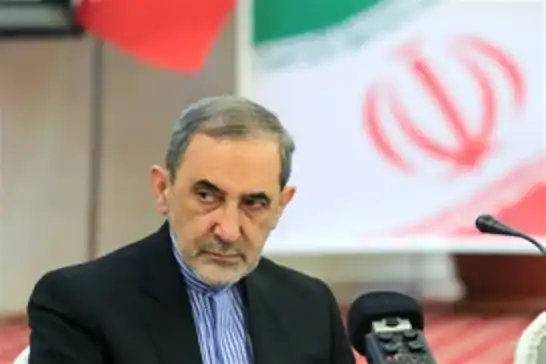
Ali Akbar Velayati, an adviser to Iran’s Leader of the Islamic Revolution for international affairs, has stressed that Iran’s strategic position makes it an indispensable player in shaping the emerging regional order, warning that lasting stability in West Asia can only be achieved through collective security.
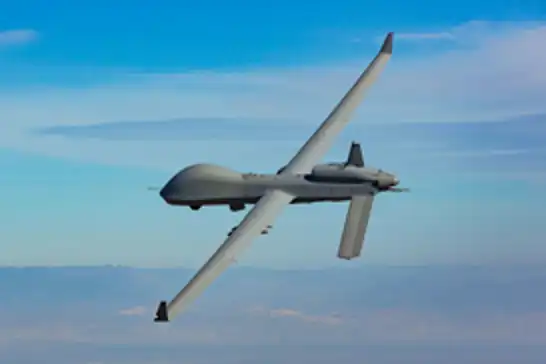
Iran’s Islamic Revolutionary Guard Corps (IRGC) has announced that its forces brought down two more US MQM-170 reconnaissance drones over Qeshm Island, bringing the reported total number of such aircraft intercepted in the area to six.