More than 6.5 million Afghans return home in three years, UN says
 13 oC

Güneşli

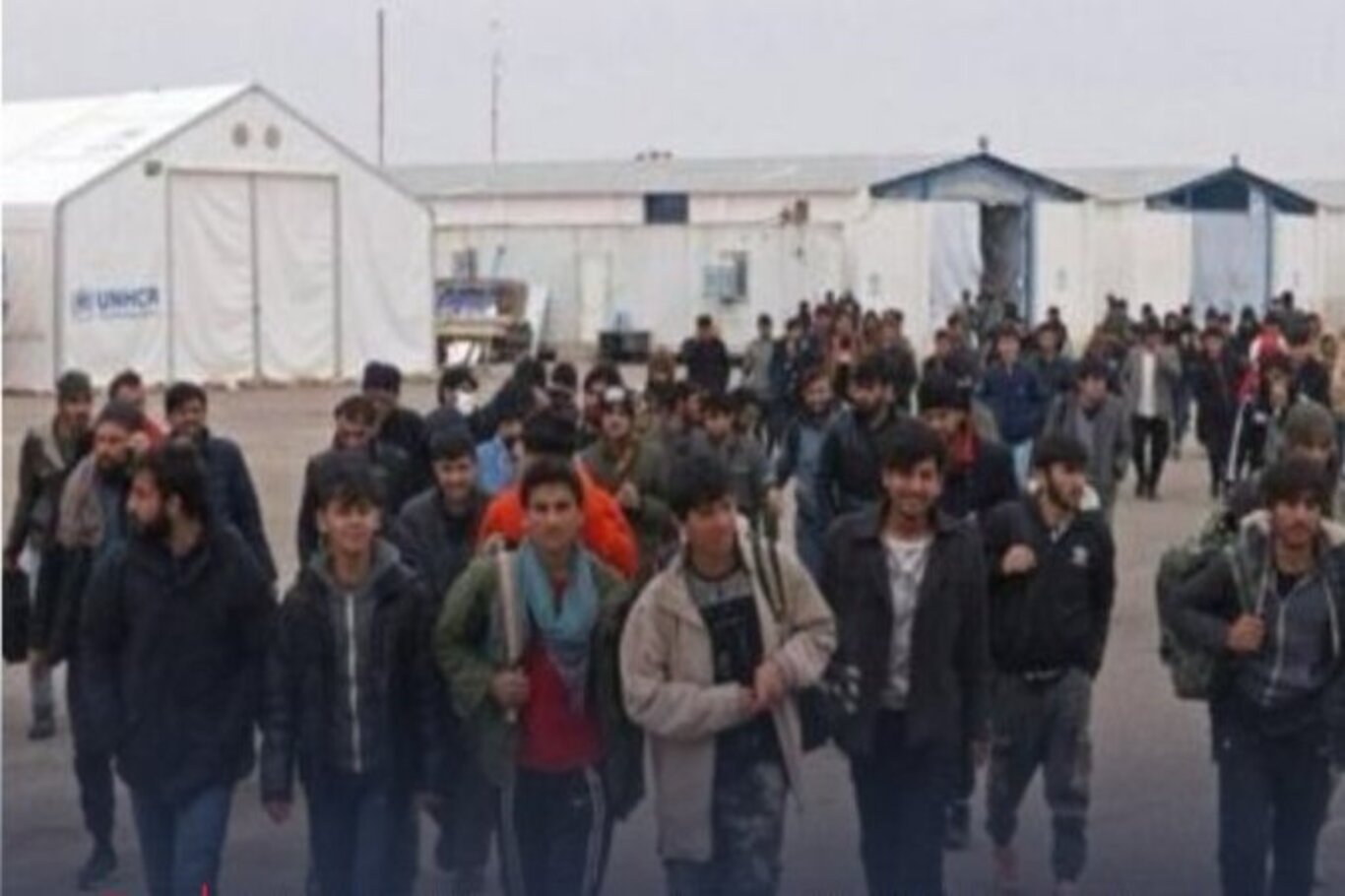
More than 6.5 million Afghans have returned to their homeland over the past three years, including nearly 3 million in 2025 alone, as large-scale movements from neighbouring countries continue to place enormous pressure on Afghanistan's fragile economy, housing market and public services, according to United Nations figures.
The unprecedented influx represents an increase of more than 10 percent in Afghanistan's population, creating additional challenges for a country already struggling with widespread poverty, unemployment, food insecurity and decades of conflict.
Most returnees have arrived from neighbouring Iran and Pakistan, where authorities have intensified deportation campaigns and tightened restrictions on undocumented Afghans and refugees. A substantial proportion of those returning have reportedly been forced to leave, often with little time to prepare for their return.
UN figures indicate that approximately 2.9 million Afghans returned in 2025, with around 1.4 million deported, highlighting the significant role of forced returns in the migration surge. Iran accounted for approximately 1.26 million deportations, while Pakistan was responsible for around 155,000.
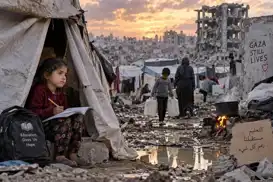
The influx has placed considerable strain on communities receiving returnees, particularly in areas where access to housing, employment, healthcare, education and clean water was already limited.
The situation is especially challenging for women and children, who account for a substantial share of returning Afghans. Many families arrive without adequate financial resources, stable accommodation or access to basic services. Some returnees, particularly those who have spent years or decades abroad, have limited family or social connections in the areas where they are expected to settle.
According to UN assessments, many returnees have been unable to return to their original homes because of a lack of land, shelter and livelihood opportunities, raising concerns about prolonged displacement and further migration.
The United Nations has warned that the scale of returns constitutes a major socioeconomic and demographic shock for Afghanistan, with already overstretched public services and fragile labour markets facing mounting pressure.
In May 2026, the UN and humanitarian partners launched a $529 million response plan aimed at supporting approximately 2.7 million Afghans expected to return from Iran and Pakistan. The initiative focuses on emergency assistance, shelter, protection, livelihoods and longer-term reintegration.
UN agencies have also called for sustained international investment to help returning families rebuild their lives and support host communities, warning that insufficient assistance could deepen poverty, increase competition over scarce resources and undermine social stability.
The continuing return movement presents a major challenge for Afghanistan's de facto authorities and humanitarian organisations, as the country struggles to absorb millions of people while addressing its existing economic and humanitarian difficulties. (ILKHA)
LEGAL WARNING: All rights of the published news, photos and videos are reserved by İlke Haber Ajansı Basın Yayın San. Trade A.Ş. Under no circumstances can all or part of the news, photos and videos be used without a written contract or subscription.

A new round of trilateral negotiations involving Russia, the United States and Ukraine will be held in the near future, although no date has yet been set, Kremlin spokesperson Dmitry Peskov said.
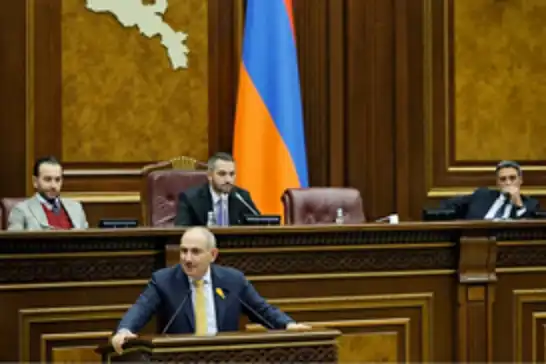
The Armenian government has published the draft of a proposed new Constitution, with Prime Minister Nikol Pashinyan inviting citizens to review the document and submit their suggestions.

Two civilians were killed after an item of unexploded wartime ordnance detonated in Faryab province in northern Afghanistan, underscoring the continuing danger posed by explosive remnants of decades of conflict.