NATO's top commander urges EU defense efforts to complement, not compete with, the alliance
 13 oC
13 oC 
Güneşli

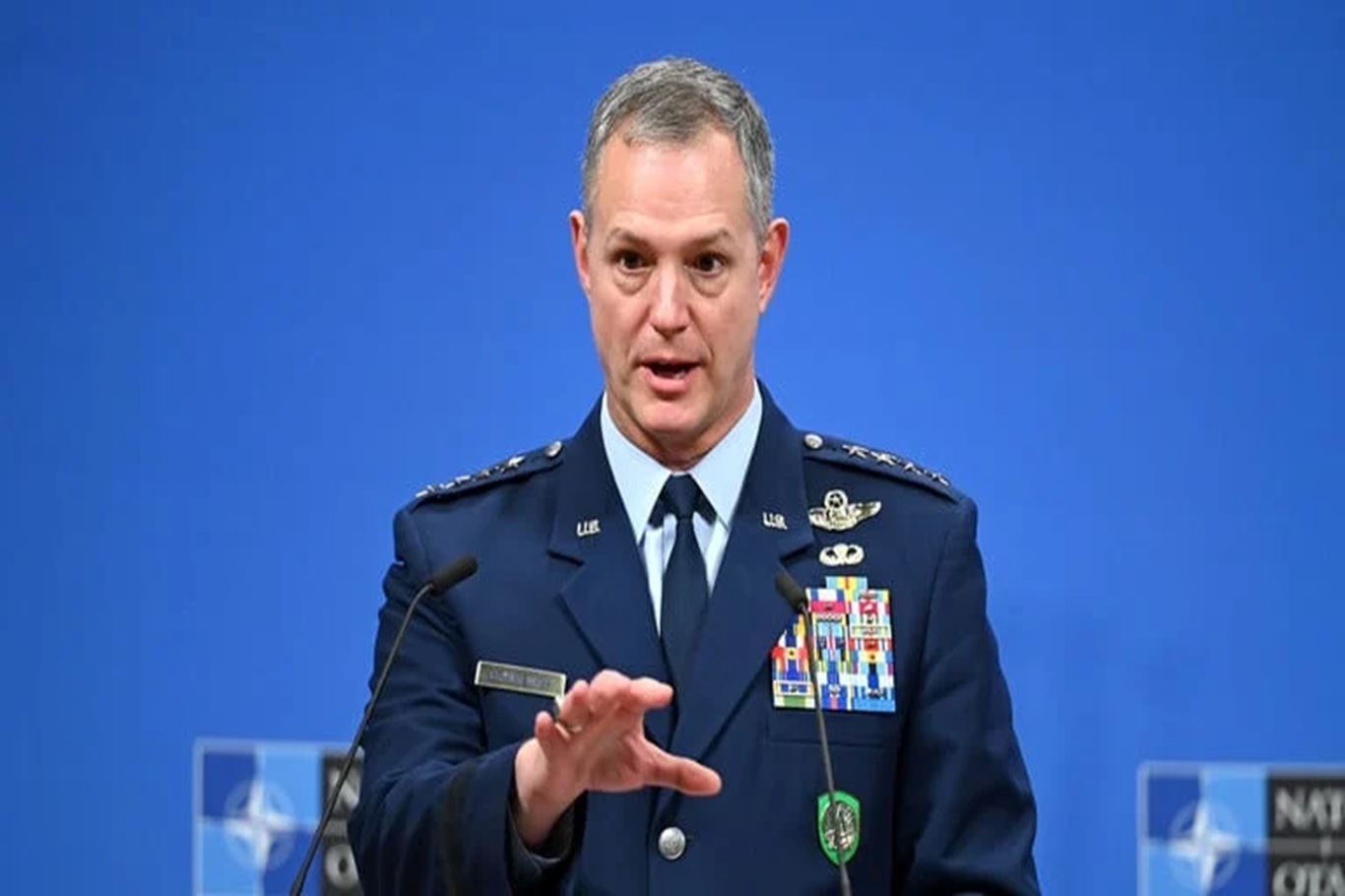
Any European Union defense structure must complement NATO rather than create a parallel system that would drain resources and weaken collective security, NATO’s Supreme Allied Commander Europe (SACEUR), U.S. Air Force Gen. Alexus Grynkewich, told lawmakers on Monday.
Speaking at a joint meeting of the European Parliament’s Security and Defence Committee and the NATO Parliamentary Assembly’s delegation in Brussels, Grynkewich said he had discussed the idea of a European defense union with a number of European leaders. “Whatever it is that the EU does with its member states and how it structures, should not be in competition with NATO,” he said. “It needs to be complementary to what NATO brings to the fight.”
Creating two separate command structures would be “extremely costly” and risk stretching limited resources, he warned, noting NATO’s established command architecture and operational expertise. Grynkewich stressed the value of deeper EU-NATO cooperation on defense industry and procurement. Initiatives that influence where military equipment is produced are especially important for companies from the United States, Canada, the United Kingdom, Norway, and Turkey, he said.
He cautioned against rigid “Buy European” or origin-based preferences that prioritize manufacturing location over combat performance. “A focus on where something is made rather than how well it performs in combat, how well it performs on the battlefield, only benefits our adversaries,” Grynkewich said.
The general highlighted progress at the NATO defense industry forum held alongside the alliance’s summit in Ankara earlier this year, where hundreds of companies announced deals exceeding €50 billion (nearly $57 billion). These included contracts for strategic airlift and high-altitude intelligence, surveillance, and reconnaissance capabilities.
Grynkewich argued that NATO and the EU are “exponentially stronger” when they work together, combining the EU’s financial and regulatory tools with NATO’s military requirements. “Therefore, we must choose pathways that deepen our cooperation, not constrain it,” he said.
The remarks come as the EU advances its own defense initiatives amid ongoing Russian aggression in Ukraine, hybrid threats, and a broader shift toward greater European burden-sharing within NATO. On the same day as Grynkewich’s address, EU member states approved five large-scale European Defence Projects of Common Interest eligible for funding under the €1.5 billion European Defence Industry Programme. The projects focus on drones and counter-drone systems, maritime and seabed defense, space-based capabilities, air and missile defense, and strengthening security along Europe’s eastern flank.
These efforts build on instruments such as the SAFE loan facility (up to €150 billion) and the broader ReArm Europe/Readiness 2030 agenda, which aim to boost joint procurement, reduce industrial fragmentation, and close capability gaps while remaining aligned with NATO priorities. European Commission President Ursula von der Leyen has recently floated additional measures, including an Emergency Security Protocol modeled on NATO’s Article 4 for hybrid threats and a leaders’ crisis forum involving partners such as the UK, Canada, Norway, and Ukraine. Some NATO diplomats have expressed concern that such steps could risk duplication if not carefully coordinated.
Grynkewich, who assumed the dual roles of SACEUR and commander of U.S. European Command in July 2025, has consistently emphasized complementarity. In earlier comments this year, he reiterated that NATO remains the foundation of European security and that parallel command structures would be unnecessary and wasteful. The alliance is simultaneously adapting its force model as European allies increase defense spending—many targeting higher shares of GDP—and take on greater leadership roles, including in some four-star NATO commands traditionally held by Americans.
The general’s message underscores a core tension in transatlantic security: Europe’s push for greater strategic autonomy and industrial capacity must strengthen, rather than fragment, the collective defense provided by NATO. (ILKHA)
LEGAL WARNING: All rights of the published news, photos and videos are reserved by İlke Haber Ajansı Basın Yayın San. Trade A.Ş. Under no circumstances can all or part of the news, photos and videos be used without a written contract or subscription.
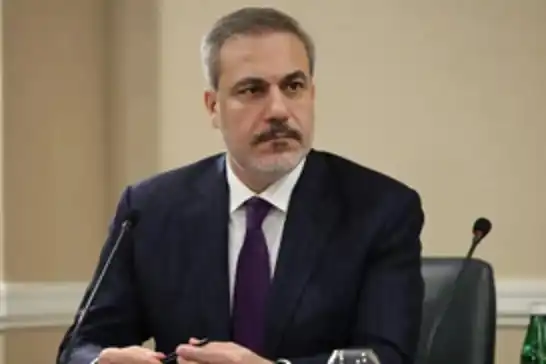
Turkish Foreign Minister Hakan Fidan met with United Arab Emirates President Sheikh Mohamed bin Zayed Al Nahyan in Abu Dhabi to discuss bilateral relations and opportunities to further strengthen cooperation between Türkiye and the UAE.

More than 1,700 Israeli settlers defiled the Al-Aqsa Mosque compound in occupied East Jerusalem on Monday under heavy Israeli police protection, as incursions intensified during the Jewish Sukkot holiday.
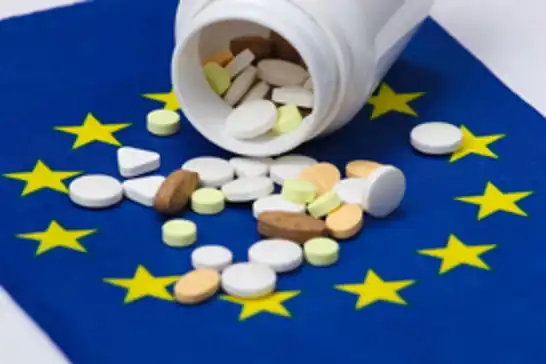
The Council of the European Union has adopted new rules introducing comprehensive changes to the bloc's pharmaceutical legislation, aiming to improve patients' access to safe, effective and affordable medicines while supporting innovation in the pharmaceutical sector.