Netanyahu to hold urgent meeting with Trump in Washington to discuss US-Iran talks
 13 oC
13 oC 
Güneşli

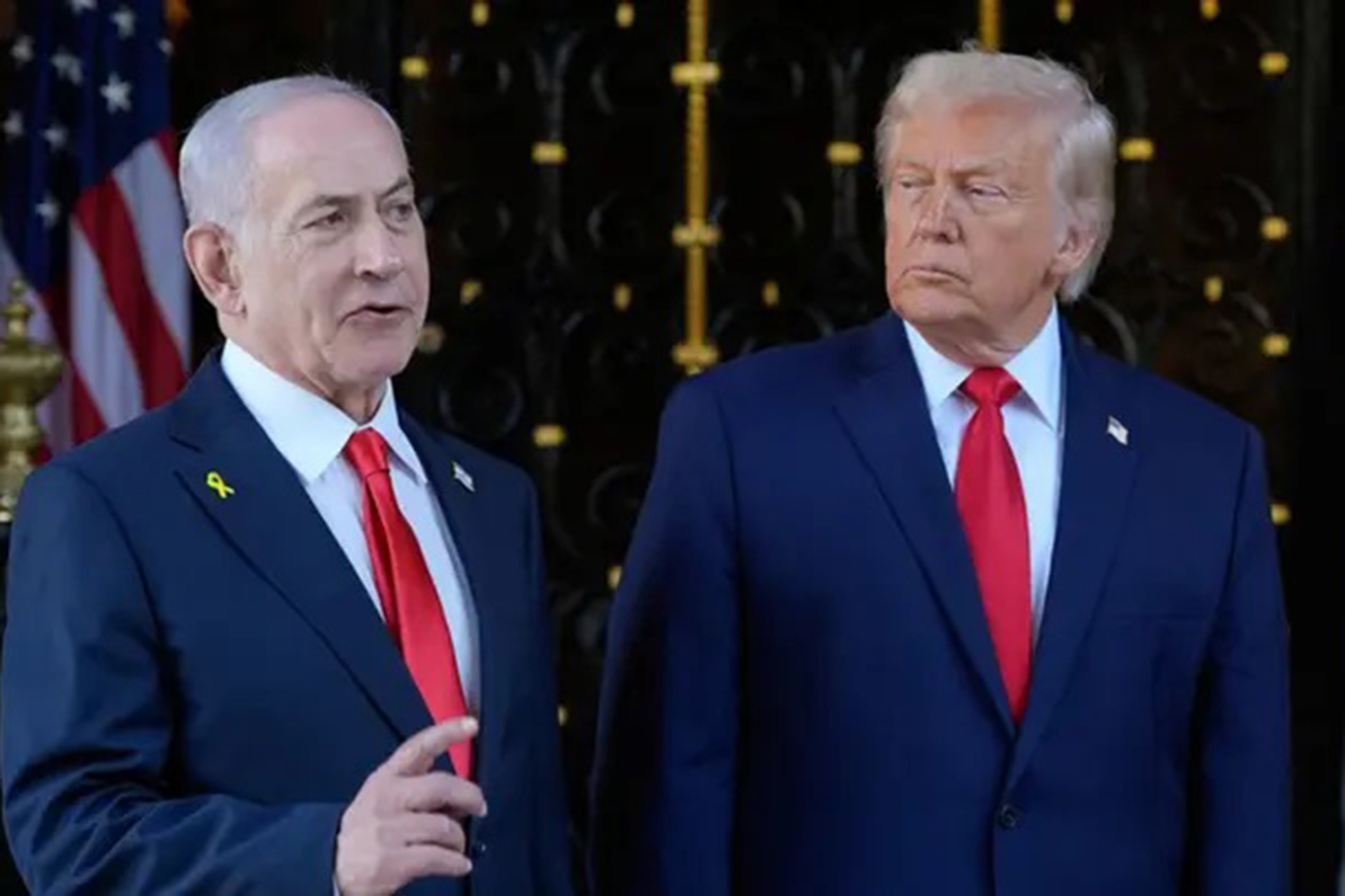
Israeli Prime Minister Benjamin Netanyahu is expected to travel to Washington next Wednesday for talks with US President Donald Trump, amid ongoing indirect negotiations between the United States and Iran.
The Israeli Prime Minister’s Office said the meeting will focus on Iran-related developments, particularly diplomatic efforts currently underway.
According to the statement, Netanyahu believes any engagement with Tehran should go beyond the nuclear issue to include restrictions on Iran’s ballistic missile program and an end to its support for regional allies—demands Iran has consistently rejected.
Israeli media reported that Netanyahu requested to move his visit forward from its originally planned date the following week, a move reflecting growing concern in Tel Aviv over the direction of US-Iran talks. Channel 12 said a senior White House official confirmed the request, while public broadcaster Kan linked the urgency to Iranian statements stressing that negotiations are limited strictly to nuclear matters and do not address missile capabilities.
These developments come after indirect talks between Iranian and US delegations in Muscat, Oman, which both sides described as constructive. Iranian Foreign Minister Abbas Araghchi said the discussions were confined to the nuclear file, a position later confirmed by Reuters, which cited a regional diplomat stating that Iran’s missile program was not discussed.
Israeli Media Warns of Iran’s Diplomatic Strength
Israeli Channel 12 acknowledged that Iran continues to shape both the agenda and framework of negotiations, a reality that has strengthened Tehran’s position regionally and internationally. The channel noted that this strategic balance is causing discomfort in Israeli political circles.
According to the report, several Gulf states have conveyed to President Trump that Israel is once again pushing Washington toward confrontation with Iran—an approach they argue has proven ineffective. These states reportedly warned that pressure tactics would not bring about regime change or meaningful shifts in Iran’s policies.
The channel added that similar criticism is emerging over Gaza, where mediators allegedly view Netanyahu as hindering progress. According to these assessments, the Israeli prime minister is resisting the second phase of negotiations, opposing an international force in Gaza, and obstructing efforts to pressure Hamas into disarmament.
“In both the Iranian file and Gaza,” Channel 12 said, “there is a growing effort to present Israel as an obstacle rather than a constructive actor.”
First Round of Indirect Talks Held in Muscat
The Muscat talks on February 6 marked the first indirect engagement between Iran and the United States in months. Mediated by Omani officials, the discussions were conducted with the two delegations in separate rooms, communicating through intermediaries.
Araghchi described the talks as a “good start,” reiterating that Iran entered the process with clear boundaries. Tehran emphasized that its missile program and regional role are matters of national sovereignty and were not open for negotiation.
The talks took place amid heightened regional tensions following last year’s brief military confrontation and an expanded US military presence in the Gulf. Washington is reportedly seeking limits on Iran’s nuclear enrichment activities, while Iran insists on its right to peaceful nuclear technology and demands concrete sanctions relief.
Washington Seeks Broader Agenda, Iran Pushes Back
US officials have signaled an interest in expanding the scope of negotiations. Secretary of State Marco Rubio said earlier this month that Washington wants talks to also address Iran’s missile program, its regional alliances, and internal political issues.
Iran has firmly rejected this approach. A regional diplomat briefed on the talks told Reuters that Tehran made clear the discussions must remain focused exclusively on nuclear matters, reaffirming its right to uranium enrichment and refusing to negotiate its defensive capabilities.
While no breakthroughs were announced, both sides agreed to continue the diplomatic track after consultations with their respective capitals. Diplomats said the atmosphere was constructive enough to justify further engagement, with future rounds expected to be coordinated through Oman in the coming weeks.
Observers say the next phase will determine whether the talks can move beyond preliminary exchanges, though Iran’s insistence on clear limits has already reshaped the diplomatic dynamic. (ILKHA)
LEGAL WARNING: All rights of the published news, photos and videos are reserved by İlke Haber Ajansı Basın Yayın San. Trade A.Ş. Under no circumstances can all or part of the news, photos and videos be used without a written contract or subscription.
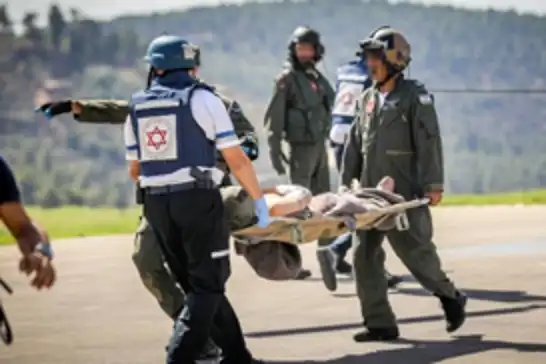
An Israeli soldier was killed and three others lightly wounded in southern Lebanon on Thursday, the Israeli army said, as Israeli forces continue their military presence on Lebanese territory despite a ceasefire agreement and diplomatic efforts to stabilize the region.
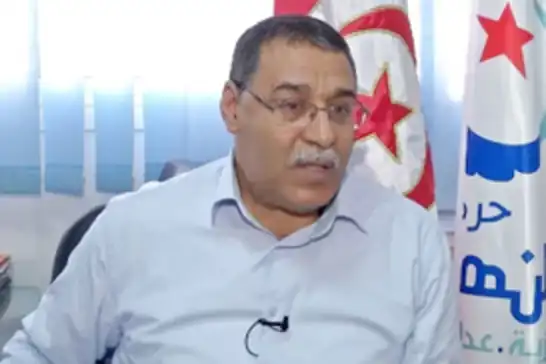
A growing wave of hunger strikes in Tunisian prisons has raised serious concerns over the health and safety of detained political opponents, pro-Palestinian activists and civil society figures, as rights groups warn of an intensifying crackdown under President Kais Saied.

Human Rights Watch (HRW) has condemned the Trump administration’s deportation of migrants from the United States to African countries where they have no citizenship or prior ties, describing the policy as unlawful and warning that it deliberately exploits human suffering to deter migration.

US Defense Secretary Pete Hegseth has announced that the execution of former Army psychiatrist Nidal Malik Hasan, who was sentenced to death for killing 13 people in the 2009 Fort Hood shooting, will be carried out by firing squad on December 3 and broadcast live to the public.