Paraguay President Pena resigns amid fallout from bank collapse
 13 oC

Güneşli

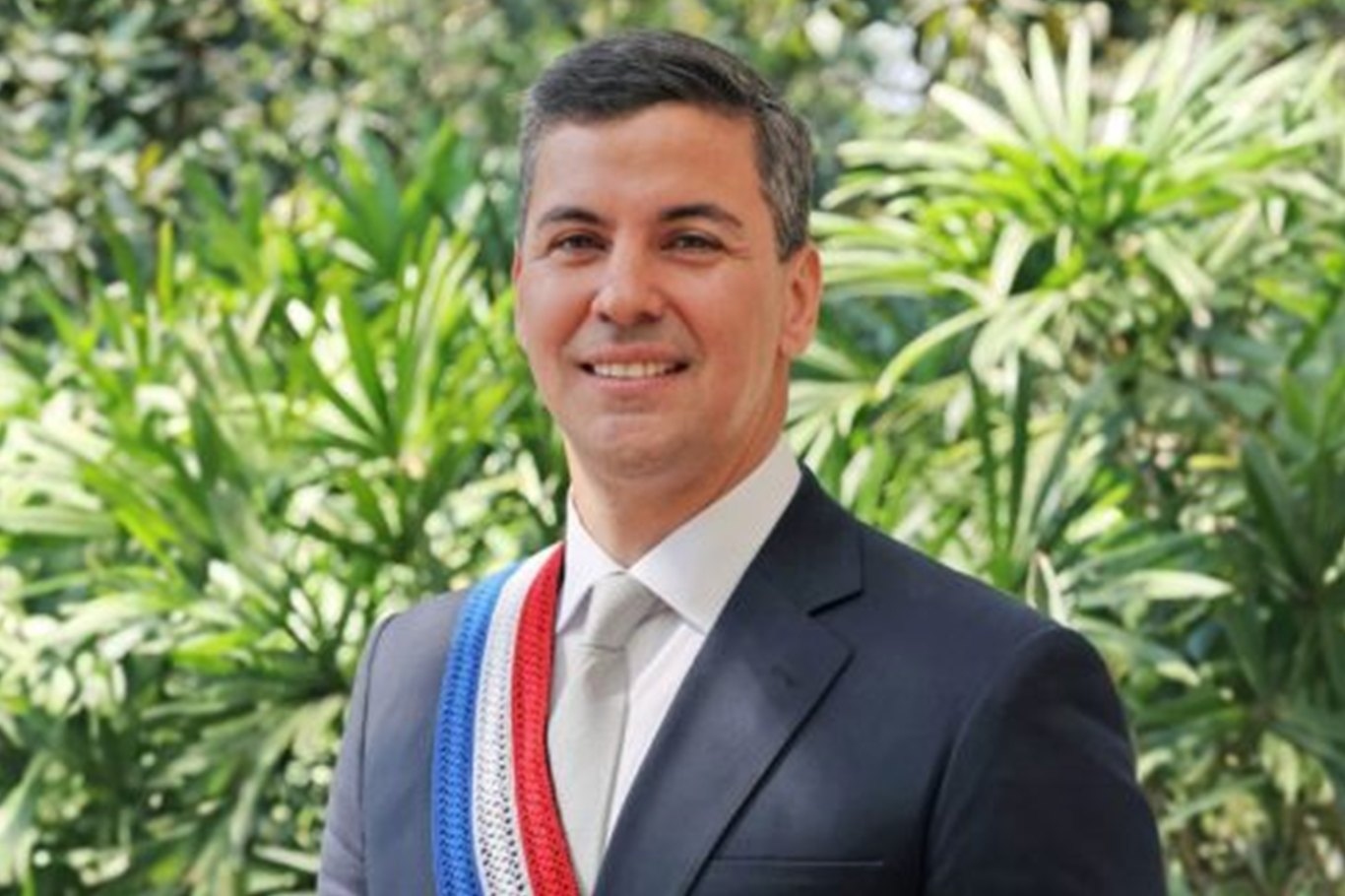
Paraguayan President Santiago Pena resigned on Thursday after mounting political pressure over the collapse of digital lender ueno, a crisis that left around 3 million customers unable to access their accounts and triggered nationwide protests as well as impeachment proceedings against him.
In a recorded address, Pena said he had decided to step down to safeguard the country's stability, social peace and democratic institutions.
"I do so with the stability of our country, social peace, and the need to preserve our democratic institutions in mind," Pena said.
Political pressure mounted as support collapsed
Pena, a political ally of US President Donald Trump, announced his resignation after opposition lawmakers called an extraordinary session of Congress to launch impeachment proceedings, while protesters continued demanding his departure.
Earlier in the day, the president also lost the support of influential figures within his own conservative Colorado Party, further weakening his position ahead of the congressional vote. Vice President Pedro Alliana is expected to assume the presidency in accordance with the constitution once Congress formally accepts Pena's resignation, although Senate procedures could delay the transition.
Despite Pena's resignation, Paraguay's lower house voted overwhelmingly to move forward with impeachment proceedings, while rejecting a similar motion against Alliana. The Senate is expected to consider both the president's resignation and the impeachment process.
Lawmakers accused Pena of conflicts of interest, misuse of pension funds and participating in an institutional cover-up linked to the collapse of ueno. Pena denied wrongdoing, rejecting allegations that his previous business ties to the bank's former owners had influenced government decisions.
Banking crisis deepens political turmoil
Paraguay's Central Bank intervened after determining that ueno had failed to meet minimum solvency requirements, placing the rapidly expanding digital lender under official administration. The bank had managed approximately $850 million in public funds and served nearly half of Paraguay's population before the collapse.
The crisis prompted the resignation of the Central Bank governor earlier this week, while prosecutors ordered the detention of several current and former bank executives and froze assets as part of an expanding criminal investigation into the lender's collapse.
Authorities said the national deposit guarantee fund is expected to protect the savings of about 97% of depositors, although larger account holders may face a longer recovery process.
In his resignation speech, Pena expressed hope that customers would recover their savings and that public resources would remain protected.
"My greatest wish is that the return of these funds is guaranteed, that the deposit guarantee fund fulfils its purpose, and that public funds—and the resources belonging to all Paraguayans—are protected," he said.(ILKHA)
LEGAL WARNING: All rights of the published news, photos and videos are reserved by İlke Haber Ajansı Basın Yayın San. Trade A.Ş. Under no circumstances can all or part of the news, photos and videos be used without a written contract or subscription.

Global oil prices climbed back above $100 a barrel on Friday, recovering from a sharp two-day sell-off as renewed attacks on commercial vessels around the Strait of Hormuz revived concerns over disruptions to Middle Eastern energy supplies.

French authorities detained 448 people following clashes that erupted during nationwide demonstrations against rising living costs, while 53 security personnel were injured, according to provisional figures released by the Interior Ministry.

Iran's Supreme National Security Council Secretary Mohsen Rezaei met Russian President Vladimir Putin at the Kremlin in Moscow on Thursday, delivering a message from Supreme Leader Ayatollah Seyyed Mojtaba Khamenei.