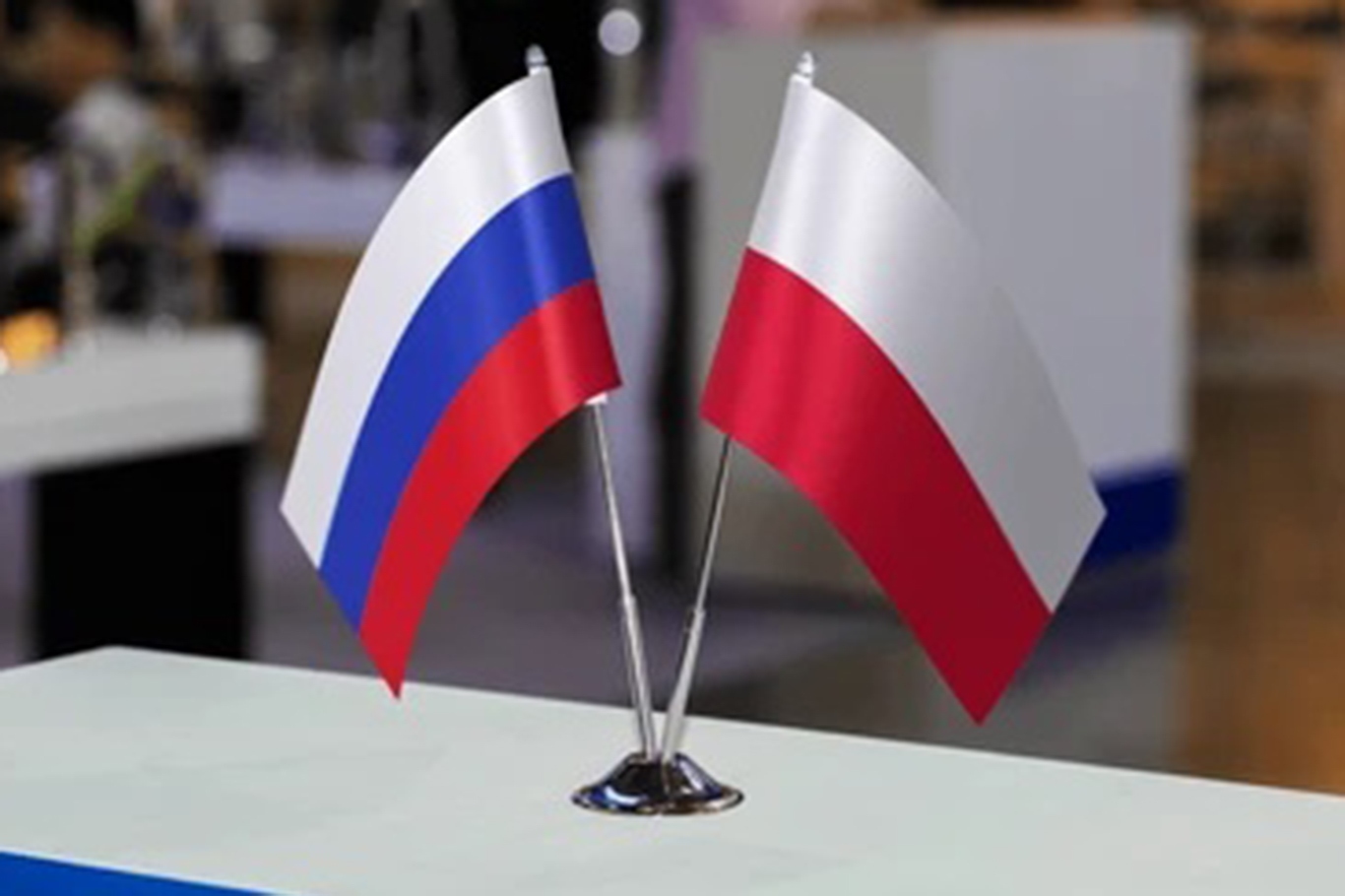
Polish ministers warn of immediate military response to possible Russian provocation in Baltics
 13 oC

Güneşli

Poland could deploy troops immediately to assist a Baltic ally in the event of a limited Russian military provocation without waiting for NATO to formally invoke Article 5, according to senior Polish officials cited by local media.
The assessment was reported by Polish news outlet Onet, which cited two unnamed government ministers discussing contingency plans for a possible Russian hybrid or limited military operation against one of the Baltic states.
According to the report, Polish intelligence currently believes Russia is not planning or capable of launching a full-scale attack against a NATO member, but officials have not ruled out the possibility of a smaller armed provocation designed to test the Alliance's unity and response mechanisms.
Scenario focuses on limited incursion
The report said one scenario under consideration involves Russian forces briefly seizing a small settlement in Estonia, Latvia or Lithuania in an attempt to create uncertainty over NATO's collective response.
One of the ministers told Onet that Poland should respond immediately by sending troops to support the attacked country rather than waiting for the formal activation of Article 5 of the North Atlantic Treaty, which states that an armed attack against one member is considered an attack against all.
According to the minister, a rapid military response would be essential to deter further escalation and demonstrate Alliance solidarity from the outset.
A second minister agreed that any Russian armed provocation should be met with a military response but cautioned that Poland must also preserve sufficient forces to ensure its own national defence capabilities.
Deterrence and Alliance unity
The report said both ministers agreed that swift support for a Baltic ally would help prevent Russia from exploiting delays in NATO's political decision-making process or attempting to undermine the Alliance's cohesion.
The officials also argued that Moscow would be unlikely to undertake such a provocation unless it believed the targeted NATO member would not receive immediate military assistance from its allies.
While the reported discussions reflect internal security assessments rather than an official government decision, they come amid continued concerns across NATO's eastern flank over the possibility of hybrid warfare and limited cross-border provocations.
Border security measures extended
Separately, Poland's Ministry of the Interior and Administration announced that the buffer zone along the Belarusian border has been extended until 27 February 2027 as part of ongoing efforts to strengthen border security.
According to the ministry, authorities recorded 482 attempts to cross illegally from Belarus into Poland between 1 January and 24 November, representing a 98 per cent decrease compared with the same period in 2025.
Poland has continued to reinforce its eastern border and expand defence cooperation with NATO allies in response to regional security challenges linked to Russia's war in Ukraine and the situation along the Belarus frontier.(ILKHA)
LEGAL WARNING: All rights of the published news, photos and videos are reserved by İlke Haber Ajansı Basın Yayın San. Trade A.Ş. Under no circumstances can all or part of the news, photos and videos be used without a written contract or subscription.
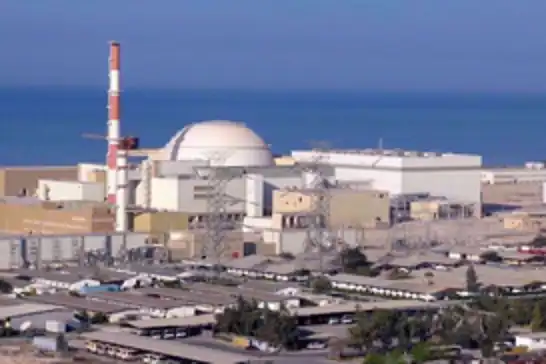
The number of Russian specialists working on the expansion of Iran's Bushehr Nuclear Power Plant is expected to increase to 300 as construction of the facility's second and third power units continues, Russia's Ambassador to Tehran Aleksey Dedov said.
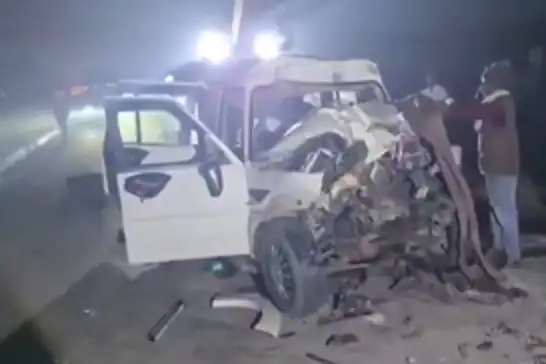
At least 13 people were killed and one seriously injured after a sport utility vehicle (SUV) collided with a heavy vehicle on a national highway in Jharkhand state in eastern India, police said.
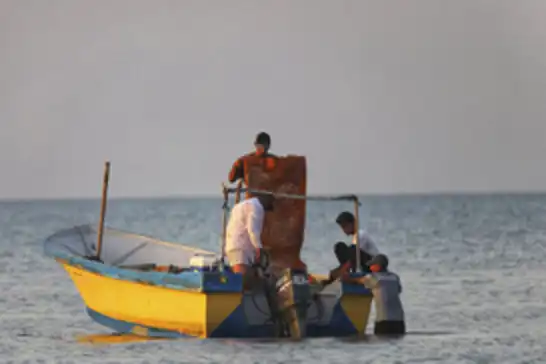
A US drone struck a fishing boat carrying three people off the coast of Iran's southern Hormozgan province early Sunday, leaving one person missing, according to the Iranian Army's Public Relations Office.