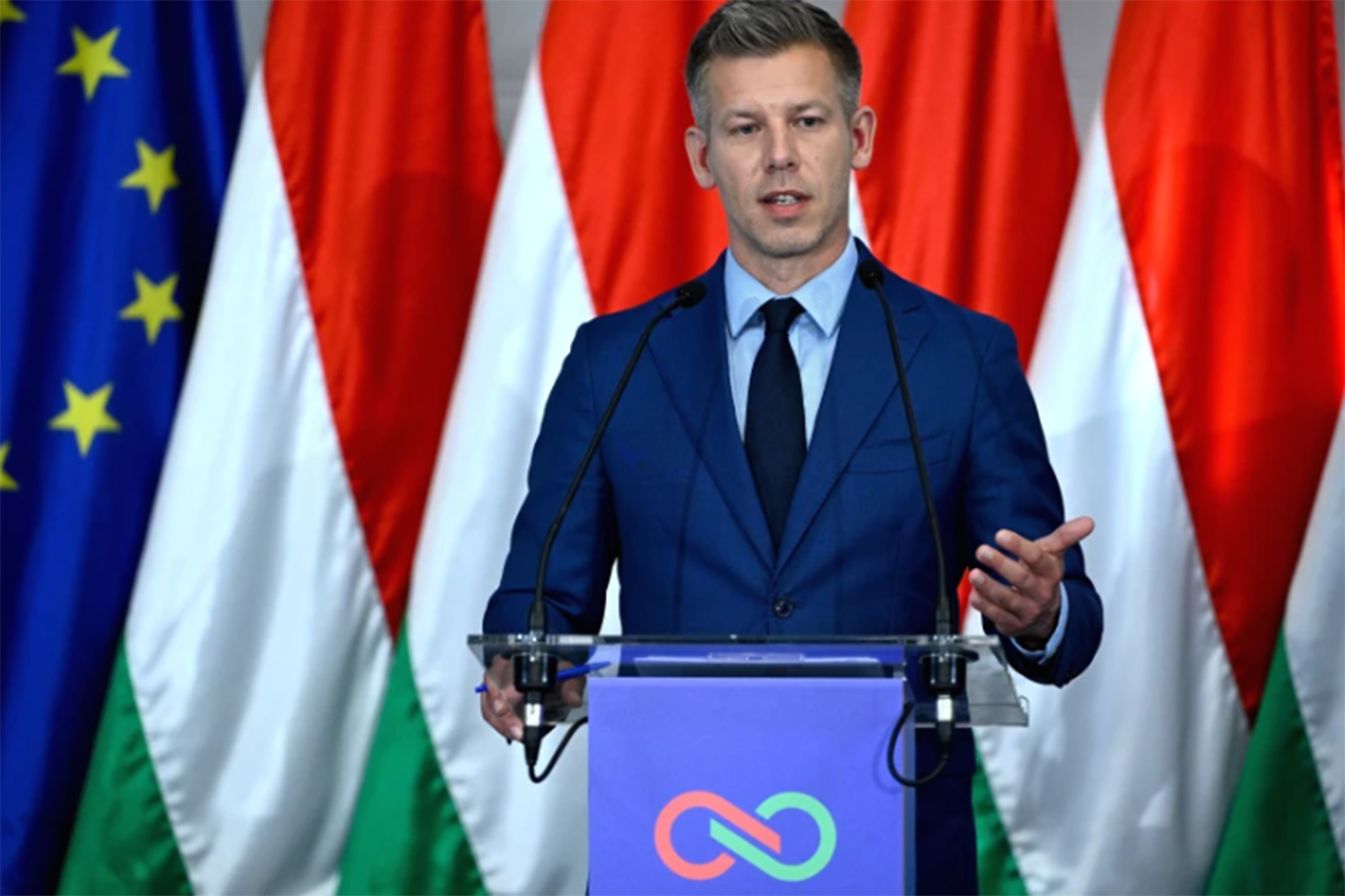
Péter Magyar sworn in as Hungary’s new prime minister, ending Orbán era
 13 oC
13 oC 
Güneşli

Péter Magyar was officially sworn in as Hungary’s new prime minister on Saturday, bringing an end to Viktor Orbán’s 16-year rule and ushering in a dramatic political transition that supporters described as a “new chapter” in the country’s modern history.
The inauguration ceremony took place at Hungary’s parliament building in Budapest, where thousands gathered outside to witness the opening session of the newly elected parliament on giant screens. The atmosphere was celebratory as crowds cheered Magyar’s arrival and welcomed the beginning of what many viewed as the collapse of the long-dominant Fidesz political system.
Magyar, leader of the opposition Tisza Party, secured a sweeping parliamentary victory in last month’s elections, winning 141 seats in the 199-member legislature. The landslide result stunned observers across Europe and marked one of the most significant political shifts in Hungary since the fall of communism in 1990.
Addressing supporters ahead of the ceremony, Magyar called on Hungarians to “write history together” and “step through the gate of regime change,” framing the transition as the beginning of a democratic renewal after years of centralized rule under Orbán.
The victory triggered scenes of jubilation in Budapest, where many citizens expressed hope that the new administration would reverse years of economic hardship, institutional decline, and political polarization. Teachers, pensioners, and families gathered outside parliament waving Hungarian and European Union flags as lawmakers convened inside.
Among the symbolic gestures announced during the opening session was the return of the European Union flag to parliament after it had been removed in 2014 under the Fidesz government. The move was met with loud applause from the crowd and was widely interpreted as a signal of Hungary’s intention to rebuild ties with Brussels.
Magyar, a former insider within Orbán’s political establishment, rose to prominence in early 2024 after publicly breaking with Fidesz and accusing the ruling elite of corruption, abuse of power, and enriching itself at the expense of ordinary citizens. His anti-establishment message rapidly gained traction among voters frustrated by economic stagnation, weakened public services, and growing international isolation.
The new prime minister has pledged sweeping reforms aimed at dismantling structures built during Orbán’s tenure, including changes to the judiciary, public media, and state institutions that critics say had been filled with loyalists over the years.
He has also vowed to restore Hungary’s strained relationship with the European Union and work to unlock billions of euros in frozen EU funding tied to rule-of-law disputes with the previous government.
Saturday’s ceremony also highlighted promises of greater inclusivity and political renewal. More than a quarter of the newly elected lawmakers are women — the highest proportion in Hungary’s post-communist history — while lawyer Vilmos Kátai-Németh became the country’s first visually impaired minister after being appointed to oversee social and family affairs.
Despite the celebratory mood, analysts note that Magyar faces major challenges. Hungary continues to struggle with a slowing economy, a high budget deficit, and deteriorating public services. Questions also remain over how deeply entrenched Orbán-era figures within the judiciary, academia, and media will respond to efforts at reform.
Meanwhile, Orbán announced he would step away from parliament and focus on reorganizing his political movement following the defeat. The longtime nationalist leader had transformed Hungary into a flagship model for right-wing populist movements across Europe and the United States, drawing praise from global conservative and nationalist circles.
Budapest Mayor Gergely Karácsony described the moment as the end of an era, paying tribute to journalists, teachers, civil society activists, and opposition figures who had resisted the government during years of political pressure.
For many Hungarians gathered in the capital, the inauguration represented not only a change in leadership but also renewed hope that the country could rebuild democratic institutions, strengthen ties with Europe, and create opportunities for younger generations who had increasingly sought futures abroad. (ILKHA)
LEGAL WARNING: All rights of the published news, photos and videos are reserved by İlke Haber Ajansı Basın Yayın San. Trade A.Ş. Under no circumstances can all or part of the news, photos and videos be used without a written contract or subscription.

Eight US Marines were injured during an operation carried out by the Islamic Republic of Iran against a vessel in the Strait of Hormuz on September 14, according to reports.
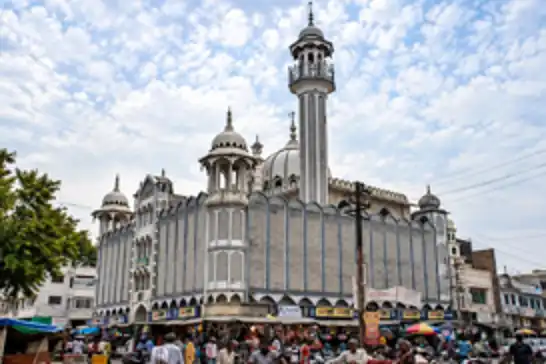
Hundreds of Muslims gathered inside the historic Shahi Masjid in Ujjain, Madhya Pradesh, to oppose plans to remove part of the mosque as part of a road-widening project being carried out ahead of the 2028 Simhastha Kumbh pilgrimage.

At least 62 people have died and 46 others have been injured after severe rainfall triggered floods in India's northern Uttar Pradesh state.
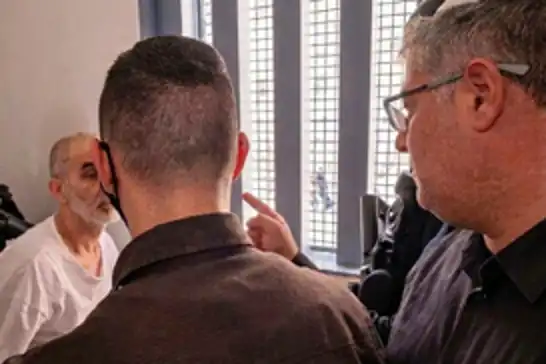
The Hamas Movement has warned that a threat by far-right Israeli National Security Minister Itamar Ben Gvir to kill Palestinian prisoner Hassan Salameh could set a dangerous precedent and lead to further killings of Palestinian prisoners inside Israeli jails.