Russia begins three-day nuclear exercises as arms control system collapses

 13 oC

Güneşli

Russia has begun three-day strategic nuclear exercises involving tens of thousands of troops, missile systems, naval units, and long-range strike capabilities, in a simulation of response measures to external threats.
The exercises, announced by the Russian Defense Ministry on Tuesday, will run from May 19 to May 21 and are designed to test the readiness of the country’s nuclear forces under what Moscow calls a scenario of “threatened aggression.”
According to the ministry, the drills involve approximately 64,000 military personnel and 7,800 pieces of military equipment, including ballistic and cruise missile systems, aircraft, submarines, and surface naval vessels. The operations are taking place across multiple regions, including Russia’s Leningrad and Central military districts, as well as deployments involving the Northern and Pacific Fleets.
The Defense Ministry said the main objective is to practice the preparation, coordination, and deployment of strategic nuclear forces under simulated combat conditions, emphasizing readiness in the event of large-scale external threats.
The exercises reportedly include hundreds of missile launchers alongside strategic aviation units and naval platforms capable of delivering long-range strikes. Submarines and surface ships from the Northern and Pacific Fleets are also participating, reflecting what Russian officials describe as an integrated approach to nuclear deterrence operations.
The announcement comes one day after Belarus confirmed it had launched its own nuclear-related military exercises in coordination with Russia, signaling closer military alignment between the two allies amid heightened geopolitical tensions in Europe.
The drills take place against the backdrop of growing instability in global nuclear arms control. The collapse of the New START treaty in February removed the last remaining formal limits on the size of US and Russian strategic nuclear arsenals, marking a significant setback for decades of arms reduction agreements.
Since the start of the war in Ukraine in 2022, Russian President Vladimir Putin and senior officials have frequently referenced Russia’s nuclear capabilities in warnings directed at Western countries, particularly in response to military aid supplied to Ukraine.
Analysts note that such large-scale exercises are part of Moscow’s broader effort to demonstrate deterrence strength and signal readiness amid escalating confrontation with NATO countries.
While Russia describes the drills as routine and defensive in nature, Western governments have often viewed similar exercises as strategic signaling intended to reinforce Moscow’s nuclear posture during periods of geopolitical tension.
The timing of the drills, alongside coordinated activity with Belarus, has further heightened scrutiny of Russia’s nuclear doctrine and its evolving military strategy in the context of the ongoing conflict in Ukraine and strained relations with the West.
The Russian Defense Ministry has not indicated any changes to planned nuclear force posture following the conclusion of the exercises. (ILKHA)
LEGAL WARNING: All rights of the published news, photos and videos are reserved by İlke Haber Ajansı Basın Yayın San. Trade A.Ş. Under no circumstances can all or part of the news, photos and videos be used without a written contract or subscription.
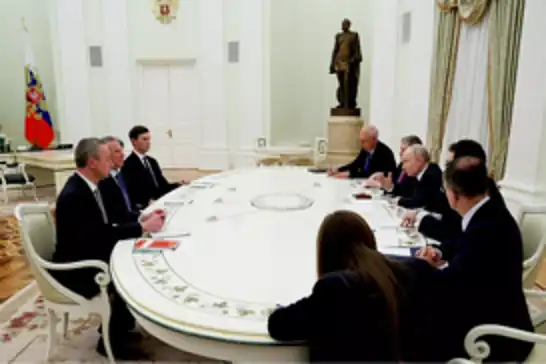
US President Donald Trump's special envoys Jared Kushner and Steve Witkoff met Russian President Vladimir Putin in Moscow on Thursday, seeking to revive negotiations to end the war in Ukraine after two days of US-mediated talks in Abu Dhabi failed to produce a major breakthrough.
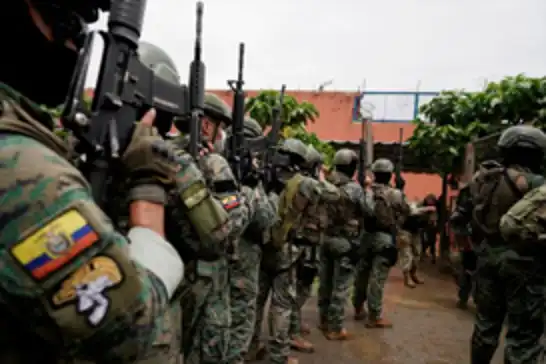
Ecuadorian President Daniel Noboa has extended the state of emergency for 30 days in eight provinces, citing "serious internal unrest" as the country continues to confront escalating gang violence and a prolonged security crisis.
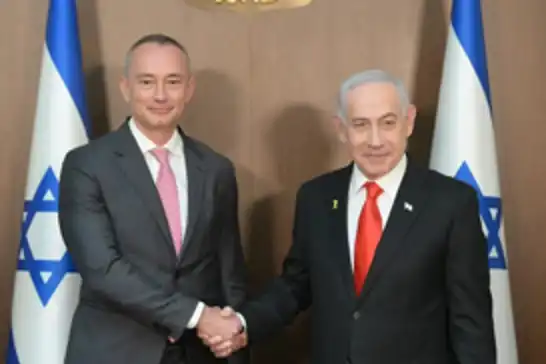
Hamas has held the Board of Peace and its envoy, Nickolay Mladenov, responsible for Israel's continued violations in the Gaza Strip, accusing them of providing political cover for the Israeli occupation and allowing its crimes against Palestinians to continue without accountability.
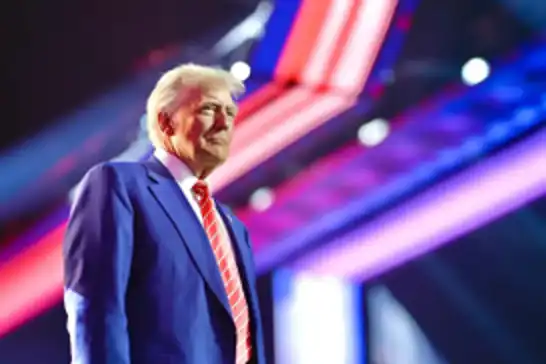
US President Donald Trump has threatened to immediately double tariffs on Mexican imports unless Mexico stops a group of more than 1,000 migrants heading north toward the United States, escalating his administration's pressure on neighbouring countries to enforce Washington's increasingly restrictive migration policies.