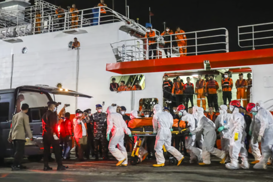
Spain launches unprecedented operation as hantavirus-stricken MV Hondius arrives off Tenerife
 13 oC
13 oC 
Güneşli

Nearly a month after the first passenger aboard the Antarctic cruise vessel MV Hondius died from the rare Andes strain of hantavirus, the ship has finally arrived off the coast of Tenerife amid one of the largest public health containment operations in recent Spanish history.
Spanish authorities launched an unprecedented international evacuation and quarantine effort on Sunday as the vessel approached the industrial port of Granadilla under strict security measures. More than 100 passengers and crew members remained on board after weeks stranded at sea following multiple confirmed infections linked to the deadly virus.
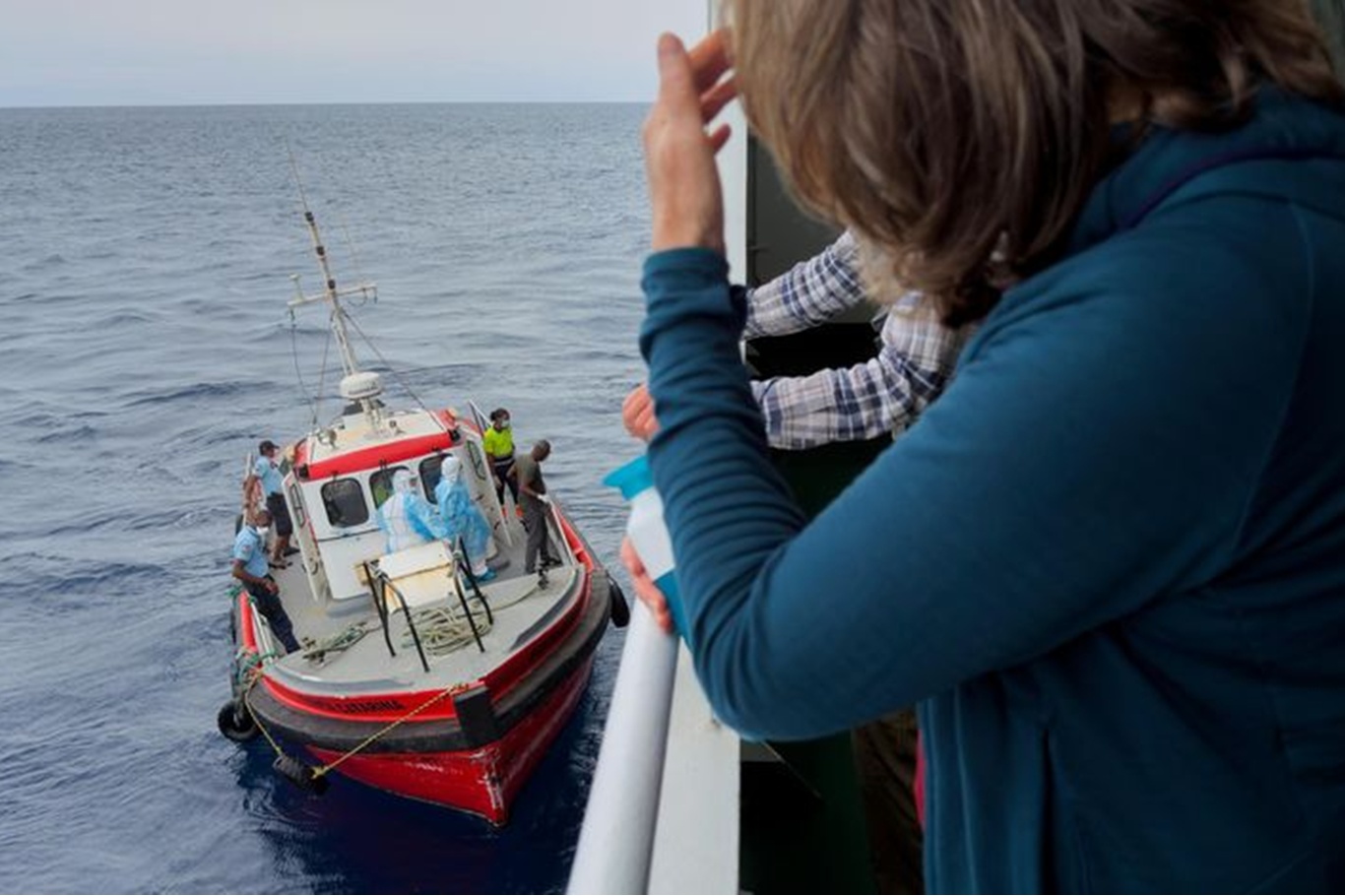
A one-nautical-mile exclusion zone was enforced around the ship as it neared the island before dawn. Rather than docking directly, the vessel anchored offshore to maintain isolation while medical teams boarded to conduct final health screenings and coordinate the phased disembarkation.
Spain’s Health Minister Mónica García described the operation as “unprecedented,” involving coordination between 23 countries, the World Health Organization, military emergency teams, and international aviation authorities.
“The risk to the general population remains low,” García said, urging residents to avoid panic and misinformation. “We have prepared extensive protocols to ensure the safe transfer and repatriation of everyone aboard.”
The outbreak aboard the Hondius has been traced to a landfill site in southern Argentina visited during an earlier expedition. Health investigators believe several passengers were exposed to infected rodents carrying the Andes hantavirus strain, one of the few forms of hantavirus known to spread between humans under close-contact conditions.
Updated reports released Sunday confirmed that three passengers have now died from the virus, while several others remain under observation. Spanish officials stated that no new symptomatic cases were detected during the latest medical inspections aboard the ship, offering cautious optimism that the outbreak may have been contained.
Passengers were divided into groups according to nationality before being transported ashore in small controlled transfers. Charter aircraft sent by the United Kingdom, United States, and several European Union member states were placed on standby at Tenerife’s airport to repatriate citizens directly to quarantine facilities in their home countries.
Spanish nationals are expected to undergo mandatory isolation at the Gómez Ulla military hospital in Madrid. Health experts noted that quarantine procedures could last several weeks due to the virus’s unusually long incubation period, which can extend up to nine weeks.
Tedros Adhanom Ghebreyesus personally travelled to Tenerife to oversee the evacuation and praised Spanish authorities for what he called a “solid and effective response” to the crisis.
“People’s concerns are understandable after the trauma of Covid-19,” Tedros said during a briefing near the port facilities. “But the characteristics of this virus, combined with the containment measures now in place, mean the likelihood of widespread transmission remains very low.”
At the nearby Candelaria Hospital, intensive care units were placed on maximum alert. Specialized isolation rooms equipped with ventilators and infectious disease containment systems were prepared in case any transferred passengers deteriorated during evacuation.
The arrival of the ship initially sparked protests among some residents and port workers in Tenerife, many of whom feared the island could become a new center of contagion. Demonstrations were held outside regional government buildings demanding greater transparency and stronger safety guarantees.
However, public anxiety appeared to ease somewhat as authorities disclosed more details of the containment plan and reinforced security at the port with military police and disaster-response units.
Many residents drew comparisons with the early days of the Covid-19 pandemic, when reassurances from governments later proved insufficient. Nevertheless, officials insist the current situation is fundamentally different because the Andes hantavirus requires prolonged close contact for human transmission and is far less contagious than airborne respiratory viruses.
While most passengers are now expected to leave the ship, around 30 crew members will reportedly remain aboard to navigate the Hondius back to the Netherlands after decontamination procedures are completed.
For the exhausted passengers who spent weeks isolated at sea amid growing uncertainty, the arrival in Tenerife marks the beginning of another difficult chapter: lengthy quarantine, medical monitoring, and recovery after one of the most extraordinary maritime health emergencies since the Covid era. (ILKHA)
LEGAL WARNING: All rights of the published news, photos and videos are reserved by İlke Haber Ajansı Basın Yayın San. Trade A.Ş. Under no circumstances can all or part of the news, photos and videos be used without a written contract or subscription.
Greece has assumed the rotating presidency of the United Nations Security Council (UNSC) for October, unveiling a programme focused on the protection of children in armed conflict, maritime security, emerging technologies, the Middle East and the role of women in peacebuilding.
The United States has removed Syria from the list of countries subject to a comprehensive denial policy for defense trade licenses, allowing requests for the export and import of defense articles and services to be reviewed on a case-by-case basis.

Hamas has called on Palestinians to rally at Al-Aqsa Mosque on Friday as Israeli settler incursions, restrictions on Muslim worshippers and efforts to expand Jewish religious rituals at the occupied holy site intensify.
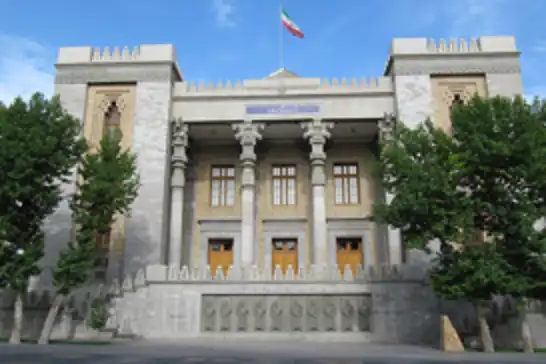
Iran’s Foreign Ministry summoned British Ambassador Hugo Shorter to Tehran on Thursday, strongly protesting what it described as baseless allegations linking the Islamic Republic to an alleged sabotage plot targeting the RAF Fairford military base.