Spanish PM accuses Russia and Israel of spreading disinformation over Ceuta migrant crisis
 13 oC
13 oC 
Güneşli

Spanish Prime Minister Pedro Sánchez has accused Russia and Israel of spreading and amplifying disinformation surrounding last month’s mass influx of migrants into Spain’s North African enclave of Ceuta, citing research by the European Union’s diplomatic service, the European External Action Service (EEAS).
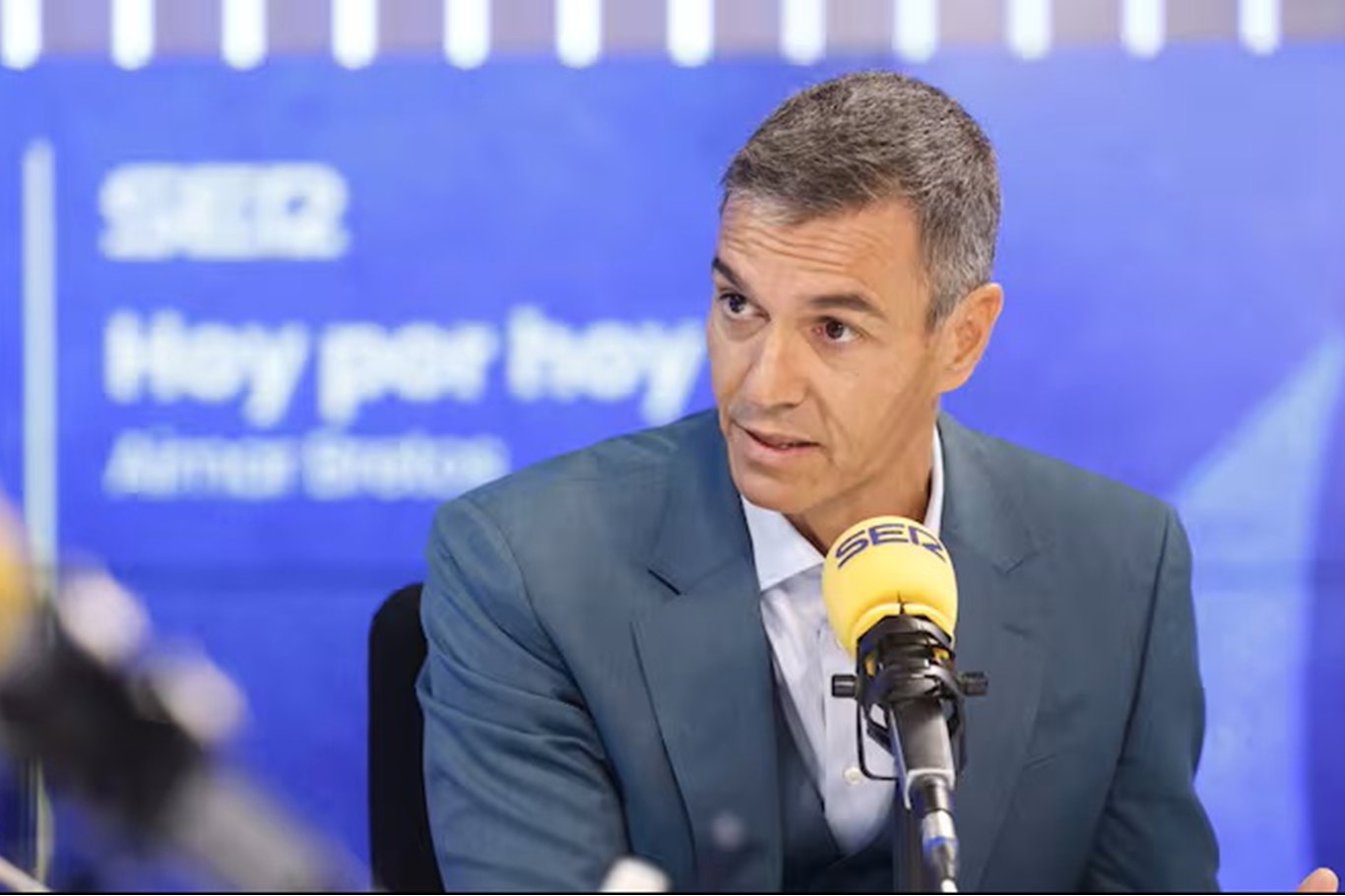
Speaking to Cadena SER radio on Monday, Sánchez said rumors and false information had circulated widely on social media following the events of July 30 and 31. He said networks reportedly linked to Russia and Israel, along with international far-right groups, had used migration-related narratives to attack Spain and create divisions within Europe.
“After July 30 and 31, there was a spread of rumours and disinformation,” Sánchez said, arguing that migration had been used as a political tool against both Spain and the wider European Union.
According to Spanish authorities, more than 72,000 migrants crossed irregularly from Morocco into Ceuta during the unprecedented surge on July 30 and 31. The influx, in which many migrants attempted to reach the enclave by swimming, triggered alarm in Spain and across the EU. Local authorities reported that at least 100 people died during the attempt.
Sánchez said it was “evident” that Russia and Israel had sought to exploit the crisis to criticize the Spanish government, pointing to disagreements between Madrid and the two countries over Spain’s positions on the wars in Ukraine and the Middle East.
He did not, however, provide further details about the evidence supporting the allegations. The Russian Embassy in Spain, Israel’s Foreign Ministry and the EEAS had not immediately responded to requests for comment, according to Reuters.
Sánchez also rejected allegations that Moroccan authorities had deliberately facilitated the mass movement of migrants into Ceuta.
Opposition parties and some human rights organizations in Spain have accused Rabat of allowing the crossing to take place, while Morocco has denied the allegations.
The Spanish prime minister said information from Spanish security and intelligence services, as well as other intelligence partners, did not point to Moroccan government involvement in the crisis.
“When people talk and speculate about the participation of Moroccan authorities, I deny this outright,” Sánchez said, stressing that Spain’s intelligence partners had not identified evidence indicating that Moroccan authorities were involved.
He argued that the crisis should ultimately be addressed through cooperation with Morocco rather than increased mistrust between Madrid and Rabat.
Spanish officials have also pointed to misleading claims circulated through platforms including Instagram and TikTok. Among the false claims was the suggestion that migrants who reached Ceuta by swimming could not subsequently be deported to Morocco.
Sánchez said such misinformation was disseminated through social media and was also linked to criminal organizations involved in human trafficking. The false claims encouraged people to attempt the crossing by creating the impression that reaching Ceuta guaranteed the right to remain in Spain.
The crisis briefly brought a number of migrants into Ceuta equivalent to a substantial share of the enclave’s population, creating significant pressure on local authorities and accommodation facilities.
Although most of those who entered subsequently returned to Morocco, thousands have remained in Ceuta, including asylum seekers and unaccompanied minors. The influx has also triggered protests among local residents over security, accommodation and the Spanish government's handling of the crisis.
Amid the continuing fallout, Sánchez announced an additional €168 million ($195 million) in emergency funding aimed at supporting Ceuta’s economy and helping the enclave respond to the consequences of the migration crisis.
The new funding comes on top of €180 million previously pledged for medium-term recovery measures, according to Reuters.
The Spanish government is also facing growing political pressure over its handling of the crisis, while tensions remain high in the small North African territory.
The episode has placed migration, disinformation and Spain’s relations with Morocco back at the center of political debate, while Sánchez has called for greater European solidarity and continued cooperation to address the wider migration challenge. (ILKHA)
LEGAL WARNING: All rights of the published news, photos and videos are reserved by İlke Haber Ajansı Basın Yayın San. Trade A.Ş. Under no circumstances can all or part of the news, photos and videos be used without a written contract or subscription.
A supertanker attempting to navigate an unauthorized route south of the Strait of Hormuz struck two naval mines and caught fire, according to the Islamic Revolutionary Guard Corps Navy (IRGC Navy).

Israeli occupation forces carried out a wave of raids across several areas of the occupied West Bank overnight and early Monday, detaining a number of Palestinians and assaulting residents during searches of homes and refugee camps, according to local sources.

Google has updated its Maps application to display Lake Ontario as “Lake America” for users in the United States, following an executive order by President Donald Trump seeking to change the lake’s name.