Syria and Israel Agree to US-Supervised de-escalation mechanism after Paris talks
 13 oC
13 oC 
Güneşli

Syria and Israel have reached a preliminary, US-supervised understanding to manage military tensions along their fraught border, following two days of indirect talks brokered by Washington in Paris.
The deal, immediately met with deep skepticism from Damascus and regional analysts, aims to establish a new coordination mechanism but leaves core disputes over Israeli occupation and sovereignty starkly unresolved.
The U.S. State Department announced the breakthrough on Tuesday, revealing that the two longtime adversaries agreed to set up a “joint fusion mechanism.” This dedicated communication cell, operating under direct American oversight, is intended to facilitate intelligence sharing, military de-escalation, diplomatic contacts, and potential commercial initiatives.
“Israel and the Syrian Arab Republic … have decided to establish a joint fusion mechanism … to facilitate immediate and ongoing coordination … under the supervision of the United States,” the official statement read.
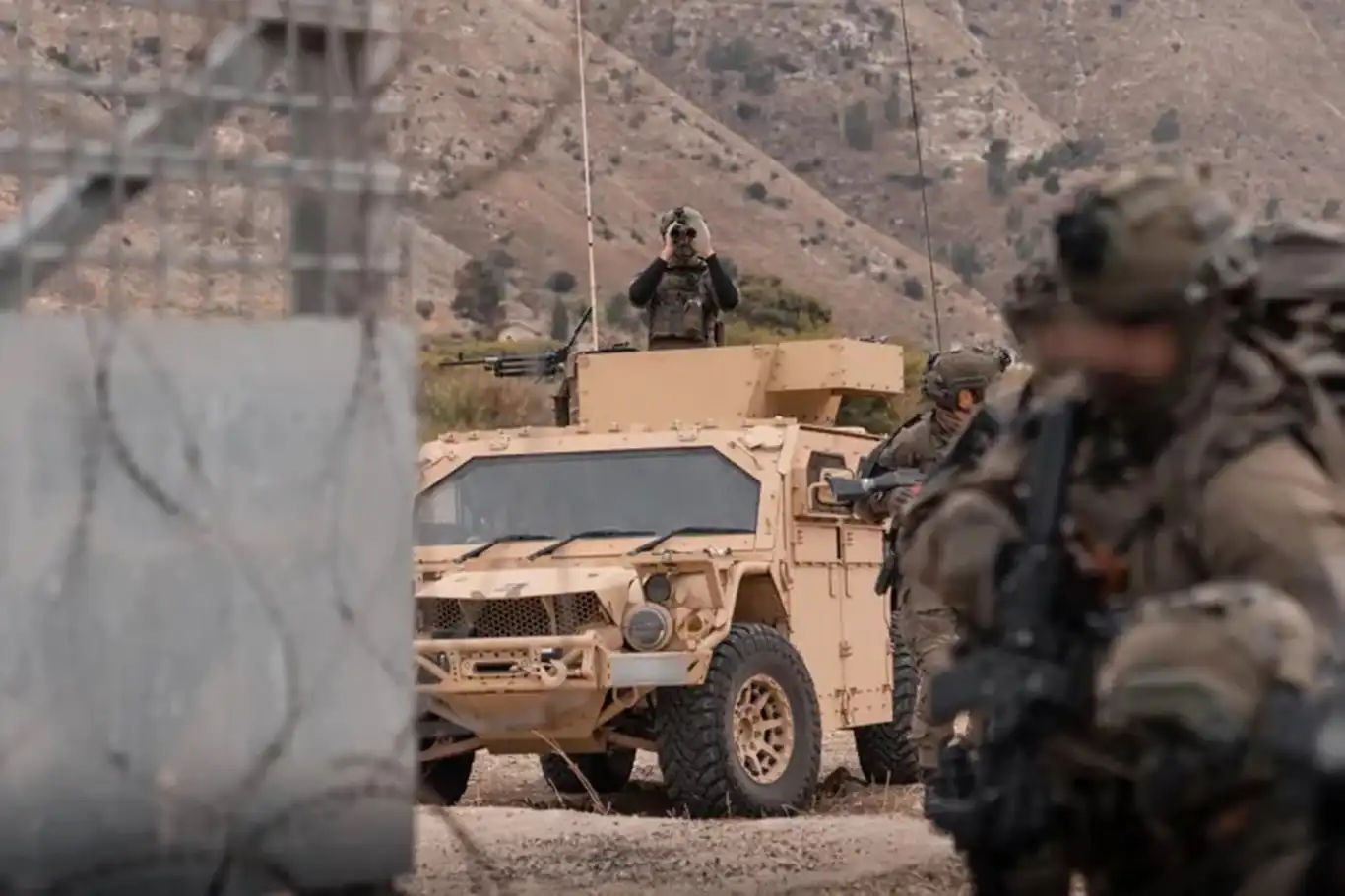
The talks unfolded against a backdrop of intensified conflict in southern Syria. Following the collapse of the Assad government in late 2024, Israeli forces expanded ground operations beyond the long-occupied Golan Heights, conducting frequent incursions and airstrikes deep into Syrian territory. Damascus condemns these actions as blatant violations of its sovereignty and international law.
A Syrian official, speaking to Reuters, framed the technical coordination as a limited tool, stressing that real progress is impossible without a “binding Israeli commitment to withdraw” from occupied Syrian land. “It would not be possible to move forward on ‘strategic files’ without a clear, binding timeline,” the official stated.
According to sources, the US proposal includes a temporary suspension of Israeli military operations to prevent escalation while talks continue. For Damascus, this is insufficient without guarantees to reverse what it terms a “creeping occupation.” Israel has not publicly addressed Syria’s withdrawal demands.
Analysts and critics warn the proposed mechanism risks institutionalizing the current power imbalance. They argue that by managing de-escalation while Israeli forces remain entrenched, the plan could legitimize occupation under the guise of “coordination.”
Reports suggest Israel is pursuing broader political goals in southern Syria, including supporting separatist movements and arming local factions—actions seen as undermining Syria’s territorial integrity. Furthermore, economic sweeteners linked to the deal, like a proposed Gulf-funded border economic zone, raise fears that development could be used to cement political fragmentation rather than foster unified reconstruction.
Additional reporting indicates a wider US plan involving a proposed joint operations room in Jordan, which would include American, Syrian, and Israeli representatives. This room would ostensibly oversee discussions on demilitarizing southern Syria and planning troop withdrawals, with both sides expected to freeze military deployments in the interim as a confidence-building measure.
Despite its participation, Damascus vigorously insists the talks are not a step toward normalization with Israel. Syrian officials frame the engagement strictly as a tactical effort to halt aggression, restore sovereignty, and uphold international agreements, particularly the 1974 Disengagement Accord.
“Any mechanism that freezes Syrian forces without guaranteeing Israeli withdrawal risks entrenching occupation rather than resolving it,” a Syrian diplomatic source emphasized, outlining the central dilemma.
While the Paris talks represent an unusual diplomatic opening after years of open hostility, and the US seeks to cast itself as a stabilizing manager, the fundamental conflict remains untouched. The chasm between Israel’s ongoing military operations and Syria’s demand for full withdrawal and sovereignty is bridged only by a promise to talk, under American supervision.
Analysts conclude that without binding commitments on withdrawal and a cessation of attacks, the new framework may simply create a more orderly management of the crisis—one that could formalize, rather than resolve, the realities of occupation and conflict. (ILKHA)
LEGAL WARNING: All rights of the published news, photos and videos are reserved by İlke Haber Ajansı Basın Yayın San. Trade A.Ş. Under no circumstances can all or part of the news, photos and videos be used without a written contract or subscription.
Türkiye-based Orphans Foundation (Yetimler Vakfı) is building an orphanage complex in Bangladesh to provide children without parental care with a safe living environment and better access to education, the organisation said.
Iranian President Masoud Pezeshkian has reaffirmed Tehran’s commitment to diplomacy while accusing Washington of undermining negotiations through military attacks, telling Russian President Vladimir Putin that Iran would not abandon the negotiating table.
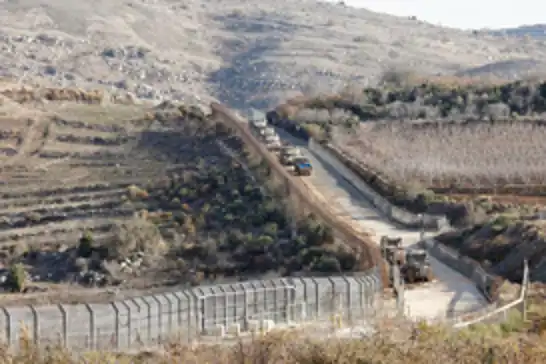
The Israel regime has accelerated military fortification activities in Syria’s Quneitra countryside, including the construction of trenches, earth barriers and military positions, raising concerns over attempts to create a new security line inside Syrian territory.

Mandatory evacuation orders have been issued in parts of the United States as Hurricane Isaias strengthens while moving toward the country’s Gulf Coast.