Syrian government announces 2 humanitarian corridors with Hasakah, Aleppo
 13 oC
13 oC 
Güneşli

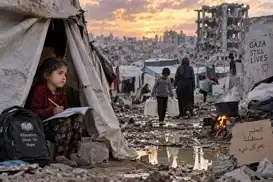
A week-long siege imposed by Syria’s interim government on the predominantly Kurdish town of Kobane has triggered a deepening humanitarian crisis, with Kurdish media reporting that at least five children froze to death amid severe shortages of basic necessities.
Kurdish outlet Rudaw reported on January 24 that the blockade has made life “unbearable” for residents, who are struggling to survive harsh winter conditions without adequate access to water, food, fuel, or electricity. Residents have issued urgent appeals for humanitarian assistance to prevent what they warn could become a full-scale catastrophe.
“We are in a dire condition,” one Kobane resident told Rudaw in a message. “We are melting snow through fire, but we do not have enough fire to melt the snow with. We do not have water, bread, kerosene, or anything else.”
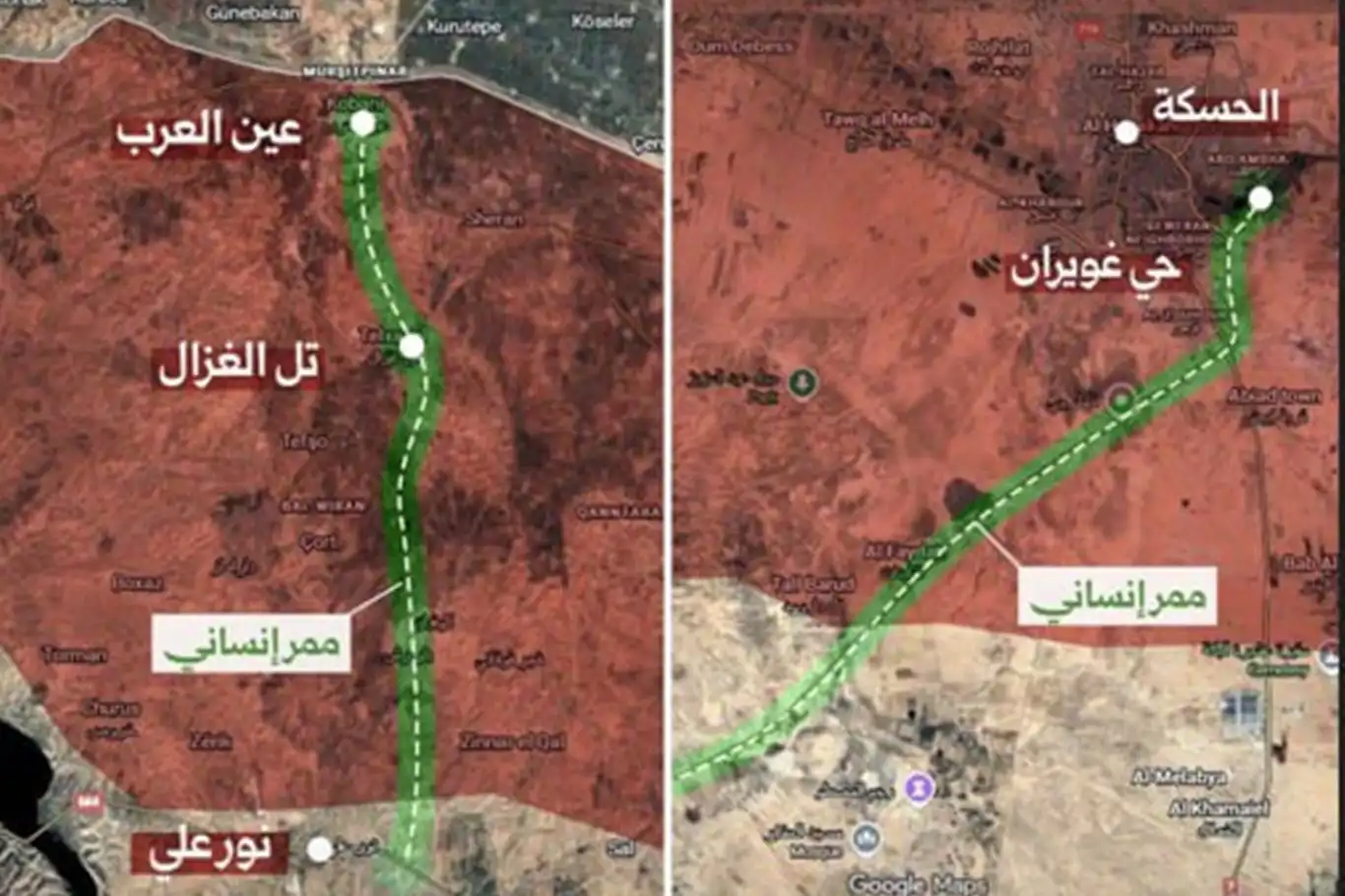
Amid mounting pressure and international concern, the Syrian government announced on January 25 that it would open humanitarian corridors to Kobane and another Kurdish-held enclave in eastern Syria. According to Syrian state media, the corridors are intended to facilitate the delivery of essential aid to civilians affected by the ongoing situation.
“The Operations Command of the Syrian Arab Army announced the opening of two humanitarian corridors in coordination with the governorates of Hasakah and Aleppo, aimed at facilitating the delivery of essential aid to areas impacted by the current conditions,” the state news agency SANA reported.
SANA said the first corridor runs along the Raqqa–Hasakah highway near the village of Tal Barud, while the second is located at the M4 junction near the village of Nour Ali. Syrian authorities stated that the corridors would be used exclusively for humanitarian purposes to address the urgent needs of civilians.
Despite the announcement, the situation on the ground remains precarious. Kobane lies along the Turkish border, and access from the north remains closed. While Ankara has previously called for humanitarian access to Gaza during Israel’s war on the enclave, it has not permitted aid to cross into Kobane, drawing criticism from Kurdish sources and human rights advocates.
Meanwhile, the Syrian Ministry of Defense announced late on January 24 that it had extended a ceasefire with the Syrian Democratic Forces (SDF) across all fronts for 15 days, beginning at 23:00 local time. The ministry said the move was intended to support a U.S.-backed operation to transfer ISIS detainees from SDF-run prisons to Iraq.
The extension follows an earlier ceasefire that lasted from January 20 to January 24, raising uncertainty about how long the current arrangement will hold. Syrian military officials have warned the SDF and PKK-linked forces against what they described as continued violations and provocations.
Kobane’s isolation intensified after SDF forces were forced to retreat in mid-January amid an offensive by the Syrian army, leaving the city largely cut off from external supply routes. With winter temperatures plunging and reports of widespread power and water outages, residents say time is running out.
As aid corridors are announced but access remains uncertain, civilians in Kobane continue to face an escalating humanitarian emergency, with local sources warning that further loss of life is likely unless assistance reaches the city swiftly. (ILKHA)
LEGAL WARNING: All rights of the published news, photos and videos are reserved by İlke Haber Ajansı Basın Yayın San. Trade A.Ş. Under no circumstances can all or part of the news, photos and videos be used without a written contract or subscription.
Russian drone attacks across Ukraine injured at least 11 people, including two children, and damaged residential buildings and civilian infrastructure, Ukrainian officials said on Friday.
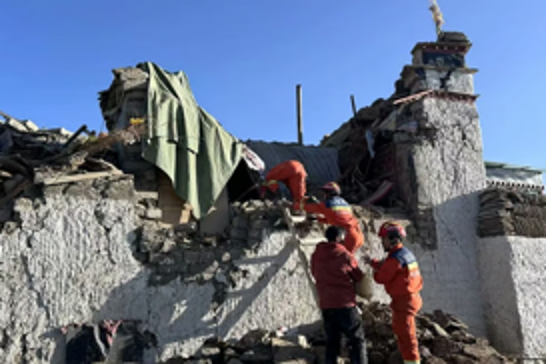
A powerful magnitude-7.0 earthquake struck a mountainous region of northern Tibet late Thursday, killing at least 16 people, injuring dozens and damaging hundreds of homes, as rescue teams continued search-and-rescue operations on Friday.
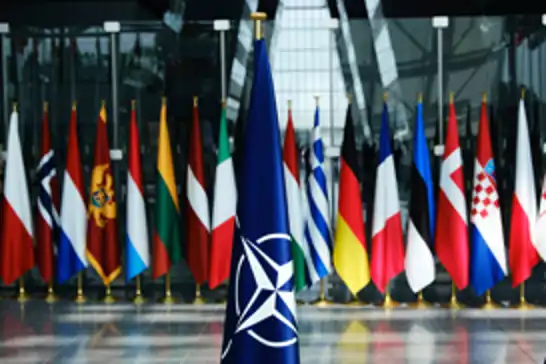
NATO's High Level Group (HLG), the senior advisory body to the alliance's Nuclear Planning Group (NPG), met in Helsinki, Finland to discuss modernising NATO's nuclear capabilities and strengthening its nuclear planning capacity.
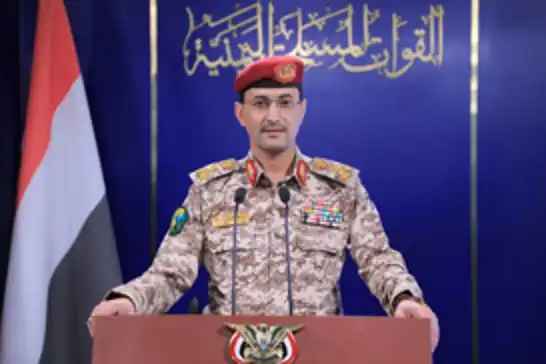
Yemen’s Armed Forces have carried out four military operations targeting Saudi military, energy and aviation facilities in response to the continued Saudi aggression against Yemen, military spokesperson Brig. Gen. Yahya Saree announced Thursday.