Syrian internal security forces enter Hasakah after SDF dissolution
 13 oC
13 oC 
Güneşli

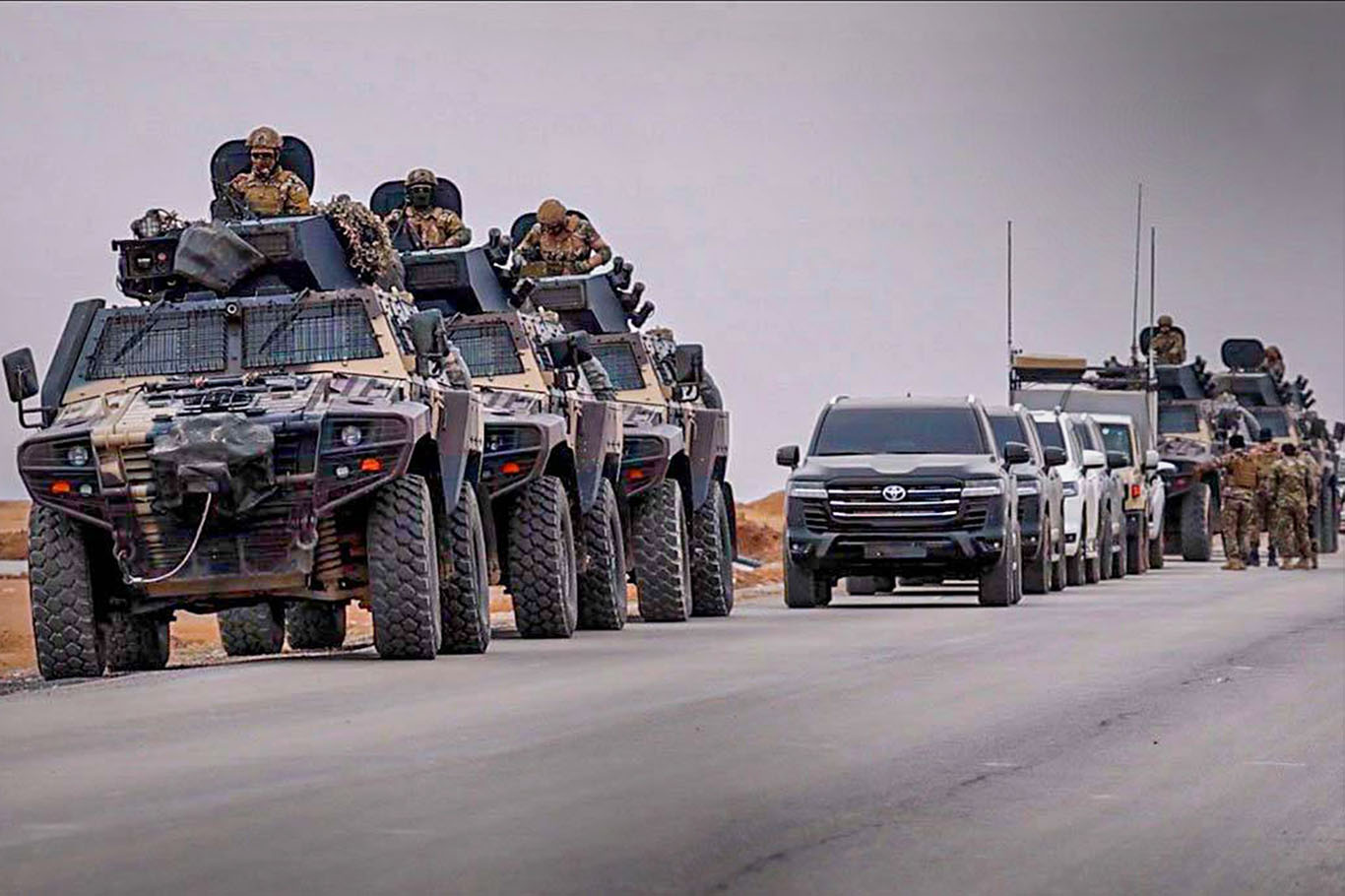
Syrian internal security forces entered the northeastern city of Hasakah early Tuesday, deploying at positions previously held by the Syrian Democratic Forces (SDF), following the Kurdish-led group's formal dissolution and integration into Syria's state institutions.
The deployment marks a significant step in the transfer of security and administrative authority in northeastern Syria to the central government in Damascus, after years of de facto SDF control over large parts of the region.
Local sources said Syrian internal security personnel moved into several military and security positions in Hasakah and took control of key camps and facilities previously operated by the SDF.
The developments came days after SDF commander Mazloum Abdi announced on Aug. 25 that the group had ended its mission and ceased to exist as an independent military force following the completion of its integration into the Syrian army.
Abdi made the announcement in Damascus after a meeting with Syrian President Ahmad al-Sharaa at the People's Palace. He described the move as the beginning of a new phase focused on peace, stability and the rebuilding of Syria.
The entry of internal security forces into Hasakah represents one of the most visible steps in the implementation of the integration process, which has unfolded over more than a year.
The January 2026 agreement between Damascus and the SDF called for the gradual incorporation of the group's military, security and civilian institutions into the Syrian state. By August, Syrian authorities said the process had reached its final stages, culminating in Abdi's announcement that the SDF had been dissolved as an independent force.
The SDF, which was backed by the United States in the fight against Islamic State, had exercised control over extensive areas of northeastern Syria for years. Its integration into the Syrian military and state institutions represents a major change in the country's post-war security landscape.
Following the dissolution of the SDF, President al-Sharaa appointed Abdi as an adviser to the Syrian presidency.
The appointment came shortly after Abdi's declaration that the SDF's military mission had ended and that its forces had been integrated into the Syrian army. The move has been presented by Damascus as part of a broader effort to reconcile former rivals and consolidate state authority across the country.
Abdi has said the transition should open a new chapter centered on political engagement and stability. The integration process has also involved the incorporation of former SDF figures into state institutions and military structures.
The deployment in Hasakah is likely to have wider significance for the future administration and security of northeastern Syria, where the SDF and its affiliated civilian institutions had operated for years.
While the formal dissolution of the SDF and the transfer of authority represent a major step toward restoring centralized state control, questions remain over the practical implementation of the integration agreement, including the status of former SDF personnel and the future structure of local security forces.
For Damascus, the developments strengthen its efforts to re-establish state authority across the country. For the Kurdish population and former SDF members, the next stage will focus on how the integration arrangements are implemented and how political, cultural and security rights are addressed within Syria's new state structure.
The entry of Syrian internal security forces into Hasakah therefore marks another major milestone in Syria's post-war transition, as the government seeks to consolidate authority and bring regions previously administered by autonomous or armed groups under the institutions of the Syrian state. (ILKHA)
LEGAL WARNING: All rights of the published news, photos and videos are reserved by İlke Haber Ajansı Basın Yayın San. Trade A.Ş. Under no circumstances can all or part of the news, photos and videos be used without a written contract or subscription.
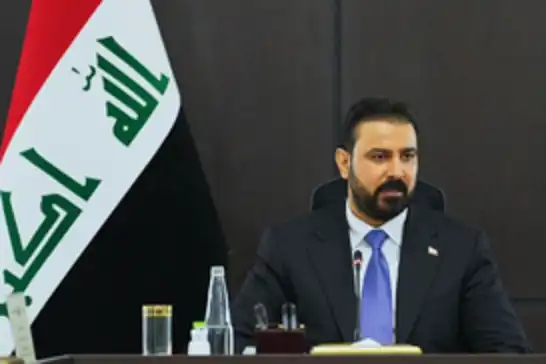
Iraqi Prime Minister Ali Falih al-Zaidi has ordered the armed forces to raise combat readiness to the highest level amid the US-Israeli war on Iran and rising regional tensions, his media office said on Tuesday.

The European Union has agreed to open two additional accession negotiation clusters with Ukraine after Hungary lifted its veto following an agreement on protections for the country's ethnic Hungarian minority, marking a step forward in Kyiv's bid to join the bloc.
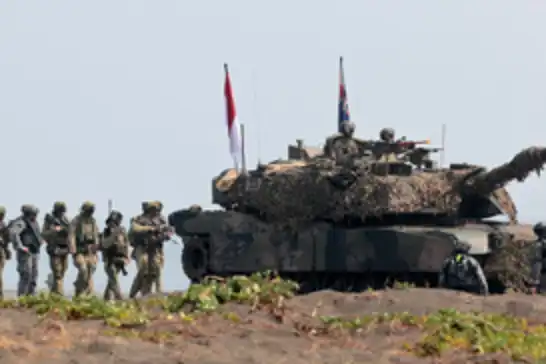
Indonesia and Australia have launched their biennial joint military exercise, bringing together more than 2,200 personnel for an eight-day drill aimed at strengthening defence cooperation and interoperability.
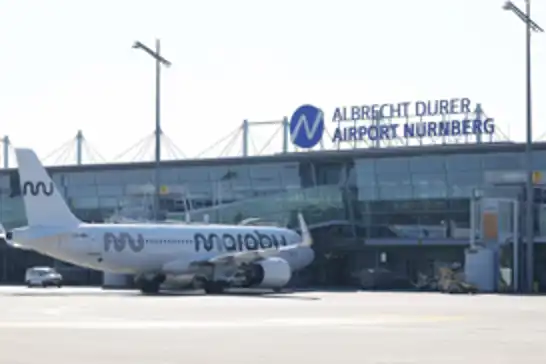
Flight operations at Germany's Nuremberg Airport were temporarily suspended after a passenger aircraft arriving from the Greek island of Corfu made an emergency landing under the escort of German Air Force Eurofighter fighter jets.