EU opens two more accession clusters with Ukraine after Hungary lifts veto
 13 oC
13 oC 
Güneşli

The European Union has agreed to open two additional accession negotiation clusters with Ukraine after Hungary lifted its veto following an agreement on protections for the country's ethnic Hungarian minority, marking a step forward in Kyiv's bid to join the bloc.
The decision brings the number of Ukraine's opened accession clusters to four out of six, following months of disagreements between Kyiv and Budapest over minority rights and the pace of Ukraine's European integration.
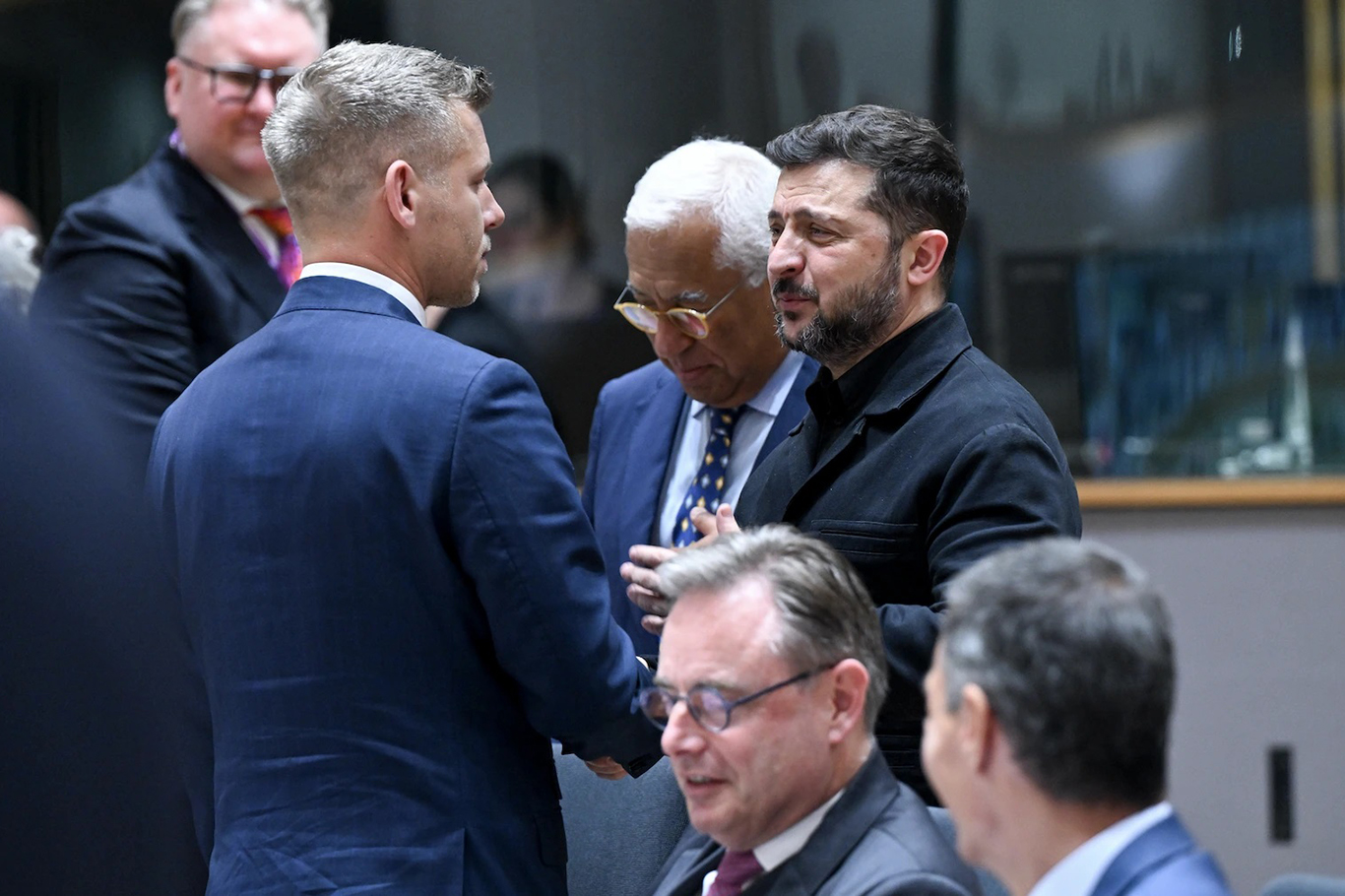
The breakthrough could also pave the way for a first bilateral meeting between Ukrainian President Volodymyr Zelenskyy and Hungarian Prime Minister Péter Magyar on the sidelines of an EU summit in Brussels this week.
Hungarian and Ukrainian diplomats are working to arrange the meeting, although no date has been set and it has not been officially confirmed, sources told Euronews. Magyar also raised the possibility of meeting Zelenskyy in a media interview last weekend.
The agreement follows progress on a long-standing dispute over the rights of Ukraine's ethnic Hungarian community, particularly regarding education and the use of minority languages.
Following talks with Hungarian Foreign Minister Anita Orbán in Luxembourg on Monday, Ukrainian Foreign Minister Andrii Sybiha said the two sides had agreed on the next steps and welcomed progress in implementing their bilateral commitments.
Hungary has repeatedly criticised Ukraine's education and language laws adopted in 2015 and 2017, arguing that they restricted minority-language education, including for ethnic Hungarians living in western Ukraine.
The dispute became a major obstacle to Ukraine's EU accession process under former Hungarian Prime Minister Viktor Orbán, whose government repeatedly blocked progress over concerns about minority protections.
Since Magyar's election victory in April, Budapest has adopted a more pragmatic approach, seeking legal guarantees for the Hungarian minority while signalling greater willingness to allow Ukraine's EU integration to advance.
Hungary agreed in June to open the first two accession clusters but made further progress conditional on Kyiv strengthening protections for ethnic Hungarian communities.
Under the new minority-language provisions, schools where more than half of pupils receive instruction in a minority language that is also an official EU language can obtain special legal status. Schools that qualified when the law entered into force can retain that status as long as at least 20% of their pupils continue to study in the relevant language.
The legislation also expands the use of eligible minority languages in school activities and communications, introduces safeguards for native-language education when schools are reorganised or closed, and allows pupils studying in eligible minority or indigenous languages to request translated examination questions, except in language and literature subjects.
Ukrainian remains the country's state language, and the changes do not reverse the broader policy of promoting its use in public education. The provisions build on reforms introduced in 2023 to extend protections to minorities whose languages are official EU languages, while Russian remains outside the scope of the new safeguards.
Despite the latest breakthrough, Ukraine's accession process remains lengthy and complex. Opening negotiation clusters does not guarantee membership, as Kyiv must complete extensive reforms and secure unanimous approval from EU member states to close each cluster.
Agriculture is expected to be among the most contentious issues in the negotiations. Some EU countries have raised concerns that integrating Ukraine's large agricultural sector into the bloc's Common Agricultural Policy could increase competition for subsidies and put additional pressure on European farmers and agricultural markets.
The agreement nevertheless marks a significant diplomatic development between Kyiv and Budapest, potentially removing a major obstacle to Ukraine's European integration while addressing one of Hungary's central demands in the dispute. (ILKHA)
LEGAL WARNING: All rights of the published news, photos and videos are reserved by İlke Haber Ajansı Basın Yayın San. Trade A.Ş. Under no circumstances can all or part of the news, photos and videos be used without a written contract or subscription.
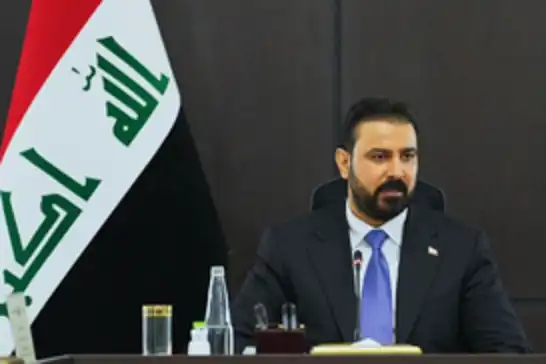
Iraqi Prime Minister Ali Falih al-Zaidi has ordered the armed forces to raise combat readiness to the highest level amid the US-Israeli war on Iran and rising regional tensions, his media office said on Tuesday.
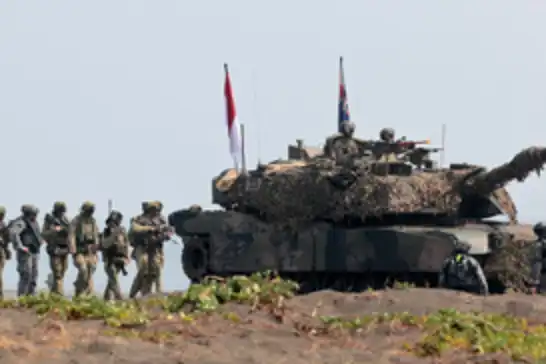
Indonesia and Australia have launched their biennial joint military exercise, bringing together more than 2,200 personnel for an eight-day drill aimed at strengthening defence cooperation and interoperability.
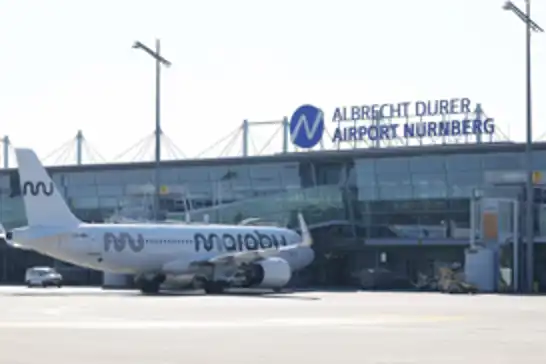
Flight operations at Germany's Nuremberg Airport were temporarily suspended after a passenger aircraft arriving from the Greek island of Corfu made an emergency landing under the escort of German Air Force Eurofighter fighter jets.