Trump claims war on Iran “close to over” as fragile ceasefire continues
 13 oC
13 oC 
Güneşli

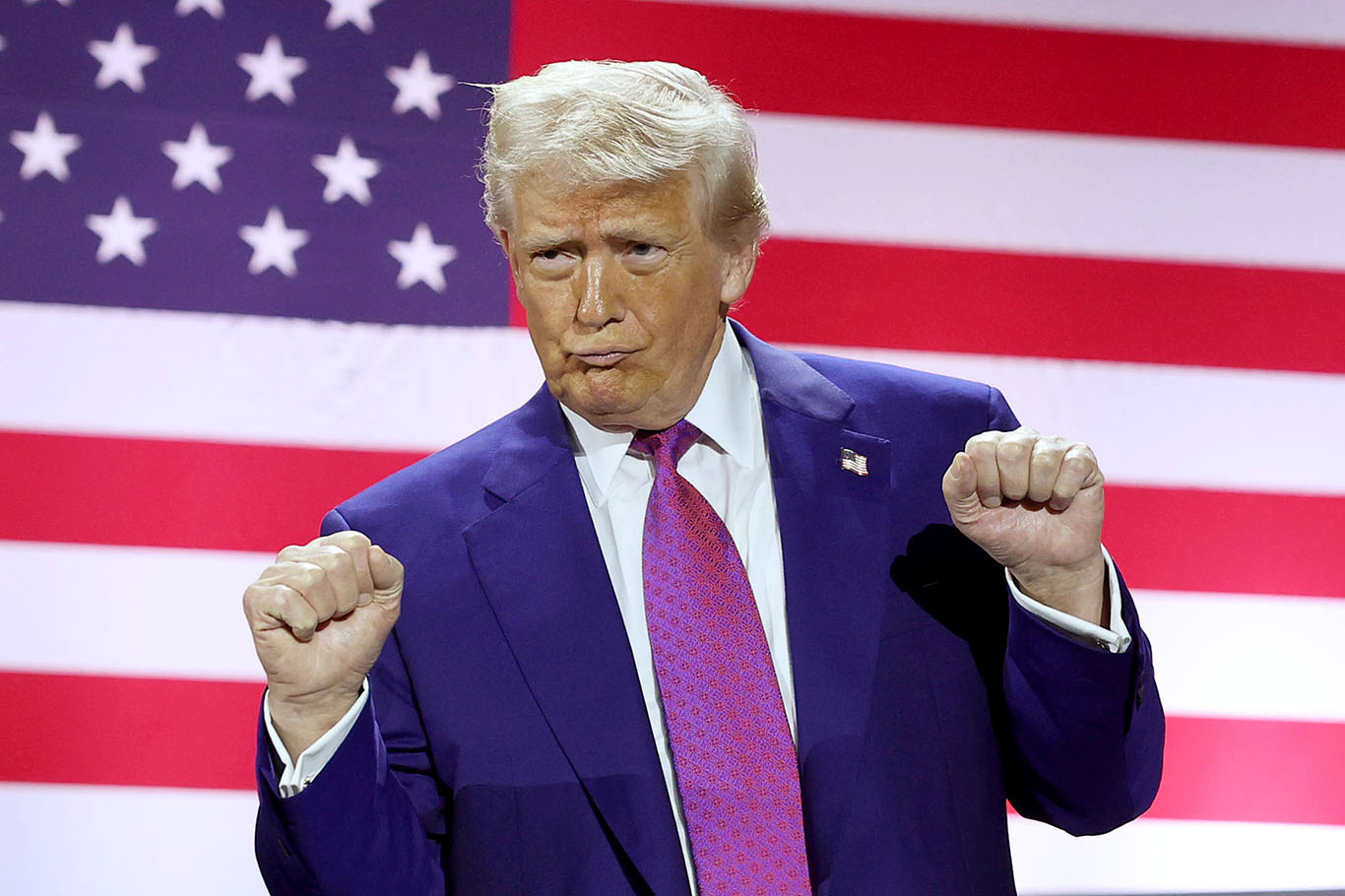
US President Donald Trump has claimed that the ongoing US-Israeli war on Iran is “close to over,” despite continued tensions and unresolved negotiations between the parties.
In an interview with Fox Business set to air Wednesday, Trump told anchor Maria Bartiromo, “I think it's close to over, yeah. I mean, I view it as very close to over.” Bartiromo also noted that earlier in the same interview, Trump had gone further, stating bluntly that “it’s over.”
The remarks mark the latest in a series of similar declarations by Trump since the conflict began on February 28. On multiple occasions in March, he asserted that Iran had been militarily defeated and that Washington and its allies had “won” the war. However, hostilities persisted, with Iran continuing retaliatory strikes against US and Israeli targets across the region.
During the interview, Trump also warned that the damage inflicted on Iran would take decades to repair. “If I pulled up stakes right now, it would take them 20 years to rebuild that country, and we’re not finished,” he said, signaling that military pressure could continue despite the current lull in fighting.
A fragile two-week ceasefire, brokered by Pakistan, came into effect on April 8 amid escalating tensions. The truce followed strong warnings from Trump, including threats linked to the strategic Strait of Hormuz. Despite reported violations, the ceasefire has largely held, with its expiration set for April 21.
In separate comments to ABC News correspondent Jonathan Karl, Trump suggested he does not expect the ceasefire to be extended. “I think you’re going to be watching an amazing two days ahead,” he said, hinting at imminent developments.
Diplomatic efforts to transform the temporary truce into a lasting agreement led to high-level talks in Islamabad, marking the most significant direct engagement between Washington and Tehran since the 1979 Islamic Revolution. The negotiations were led by US Vice President JD Vance and Iranian Parliament Speaker Mohammad Bagher Ghalibaf.
The talks, which lasted 21 hours, ended without a breakthrough. US officials reportedly demanded a complete halt to Iran’s uranium enrichment program and the surrender of its nuclear stockpile—conditions Tehran rejected as violations of its sovereignty and rights under international agreements.
A second round of negotiations is now under consideration, with Trump indicating that discussions could resume in Islamabad within days. He praised Pakistani Army Chief Asim Munir, suggesting that Pakistan’s mediation increases the likelihood of further talks.
Meanwhile, Iranian officials have pushed back against US pressure. Mohammad Mokhber, an advisor to Iran’s leadership, dismissed Trump’s statements as signs of confusion and warned that any attempt to blockade the Strait of Hormuz would provoke serious consequences.
“Trump’s confusion is the prelude to another mistake,” Mokhber wrote, adding that such actions would “lead to new surprises.”
As the ceasefire deadline approaches, uncertainty remains over whether the conflict will end through negotiation or renewed escalation, with both sides holding firm to their positions. (ILKHA)
LEGAL WARNING: All rights of the published news, photos and videos are reserved by İlke Haber Ajansı Basın Yayın San. Trade A.Ş. Under no circumstances can all or part of the news, photos and videos be used without a written contract or subscription.

Three migrants, including a 10-year-old child, died Monday after a small boat carrying more than 100 people encountered difficulties while attempting to cross the English Channel from northern France to the United Kingdom, French authorities said.

The death toll from severe flooding triggered by heavy monsoon rains in India's northern Uttar Pradesh state has risen to 81, while 62 others have been injured.
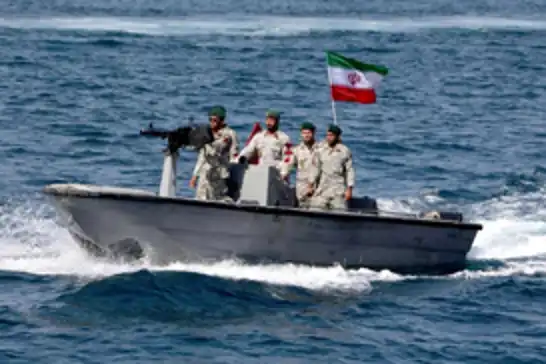
Eight US Marines were injured during an operation carried out by the Islamic Republic of Iran against a vessel in the Strait of Hormuz on September 14, according to reports.
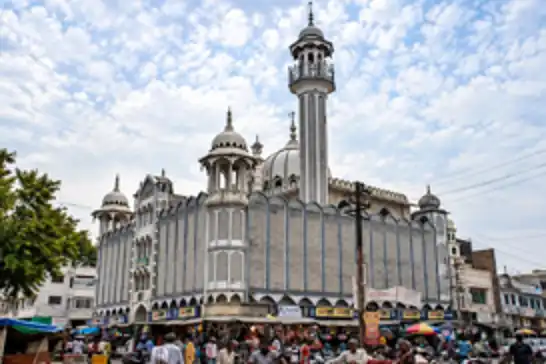
Hundreds of Muslims gathered inside the historic Shahi Masjid in Ujjain, Madhya Pradesh, to oppose plans to remove part of the mosque as part of a road-widening project being carried out ahead of the 2028 Simhastha Kumbh pilgrimage.