Trump delegation enters China under strict digital lockdown over hacking fears
 13 oC
13 oC 
Güneşli

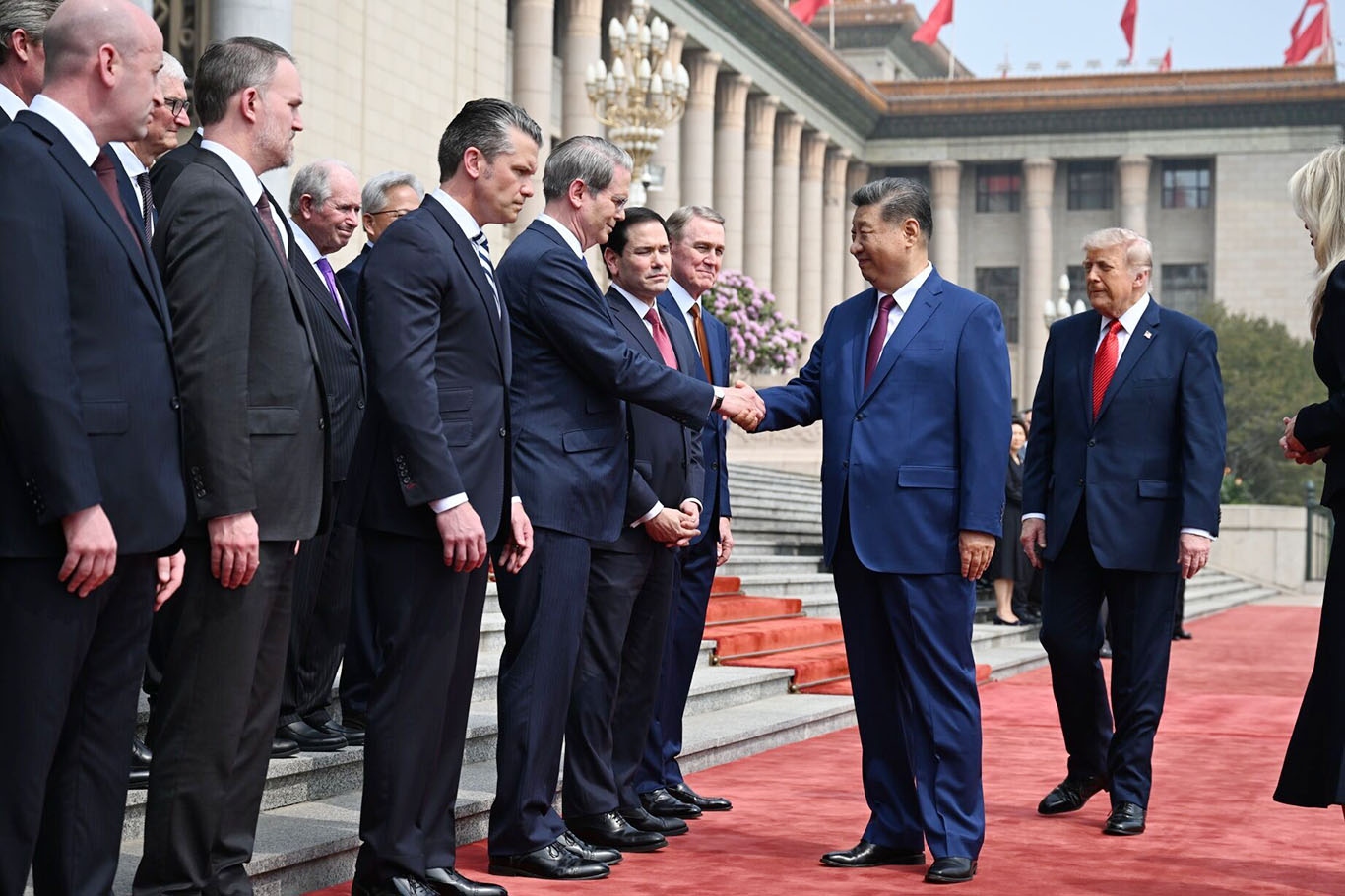
The U.S. President Donald Trump’s high-level delegation adopted extreme digital security measures upon entering China, with officials and accompanying corporate executives leaving personal devices behind to mitigate sophisticated cyber-espionage risks.
According to reports in the US media, senior American officials accompanying Trump to Beijing were given cyber security briefings ahead of the trip. Officials were reportedly warned against using personal communication devices over concerns that phones and digital networks in China could be monitored or compromised.
As part of the precautions, delegation members were provided with temporary mobile phones and newly issued SIM cards specifically prepared for the visit.
Reports indicated that some officials left their personal devices in the United States, while others carried them powered off and stored in secure locations. Communication during the trip was also reportedly limited to newly created accounts containing no sensitive personal or governmental data.
US security officials were quoted as saying that all devices and digital infrastructure in China are treated as potential security risks under what is commonly referred to as a “digital isolation” or “clean device protocol.”
Experts say such measures have increasingly become standard practice for high-level diplomatic and commercial visits involving countries viewed as cyber security competitors. Similar protocols have previously been recommended for officials and executives traveling to countries considered high-risk for cyber espionage.
However, the strict precautions reportedly complicated diplomatic coordination and business communications, significantly limiting messaging capabilities and data sharing during the trip.
Meanwhile, Chinese authorities rejected allegations of cyber espionage, insisting that personal data within the country is protected by law and that no institution or individual is asked to collect data illegally.
The developments come amid continuing tensions between Washington and Beijing over cyber security, trade disputes, technology restrictions and geopolitical rivalry. Both sides have repeatedly accused one another of cyber-related activities targeting government institutions, companies and critical infrastructure. (ILKHA)
LEGAL WARNING: All rights of the published news, photos and videos are reserved by İlke Haber Ajansı Basın Yayın San. Trade A.Ş. Under no circumstances can all or part of the news, photos and videos be used without a written contract or subscription.

A total of 458 Israeli settlers defiled the Al-Aqsa Mosque compound in occupied East Jerusalem on Monday morning through the Moroccan Gate, under heavy protection from Israeli forces, according to Palestinian sources.
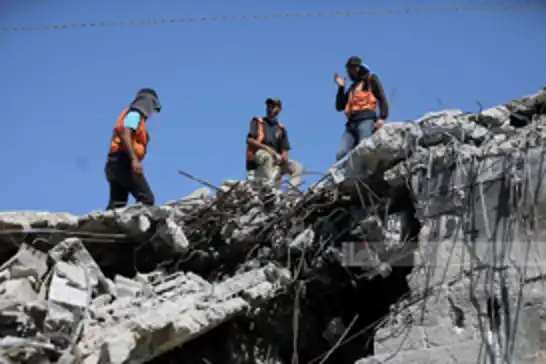
Gaza’s Government Media Office (GMO) has launched an emergency plan to evacuate and remove 255 cracked and structurally unstable buildings considered at risk of collapse, following the deadly collapse of a damaged residential building in Gaza City.
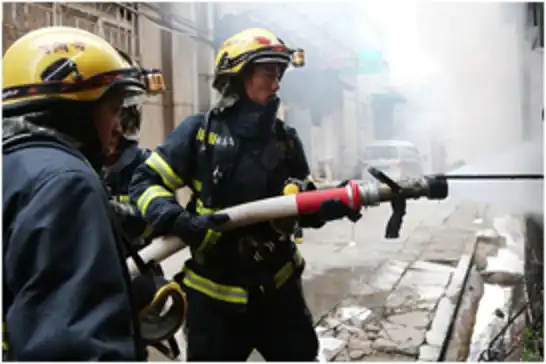
A fire that broke out at a textile factory in Foshan city, Guangdong province, southern China, has killed eight people, according to local authorities.

Iran’s Islamic Revolution Guards Corps (IRGC) has warned that any renewed aggression against the country would trigger a significantly different military response, including changes to the geography of the conflict, weapons deployed and targets struck.