Turkmenistan nears completion of TAPI gas pipeline to Herat, supplies expected in 2027
 13 oC

Güneşli

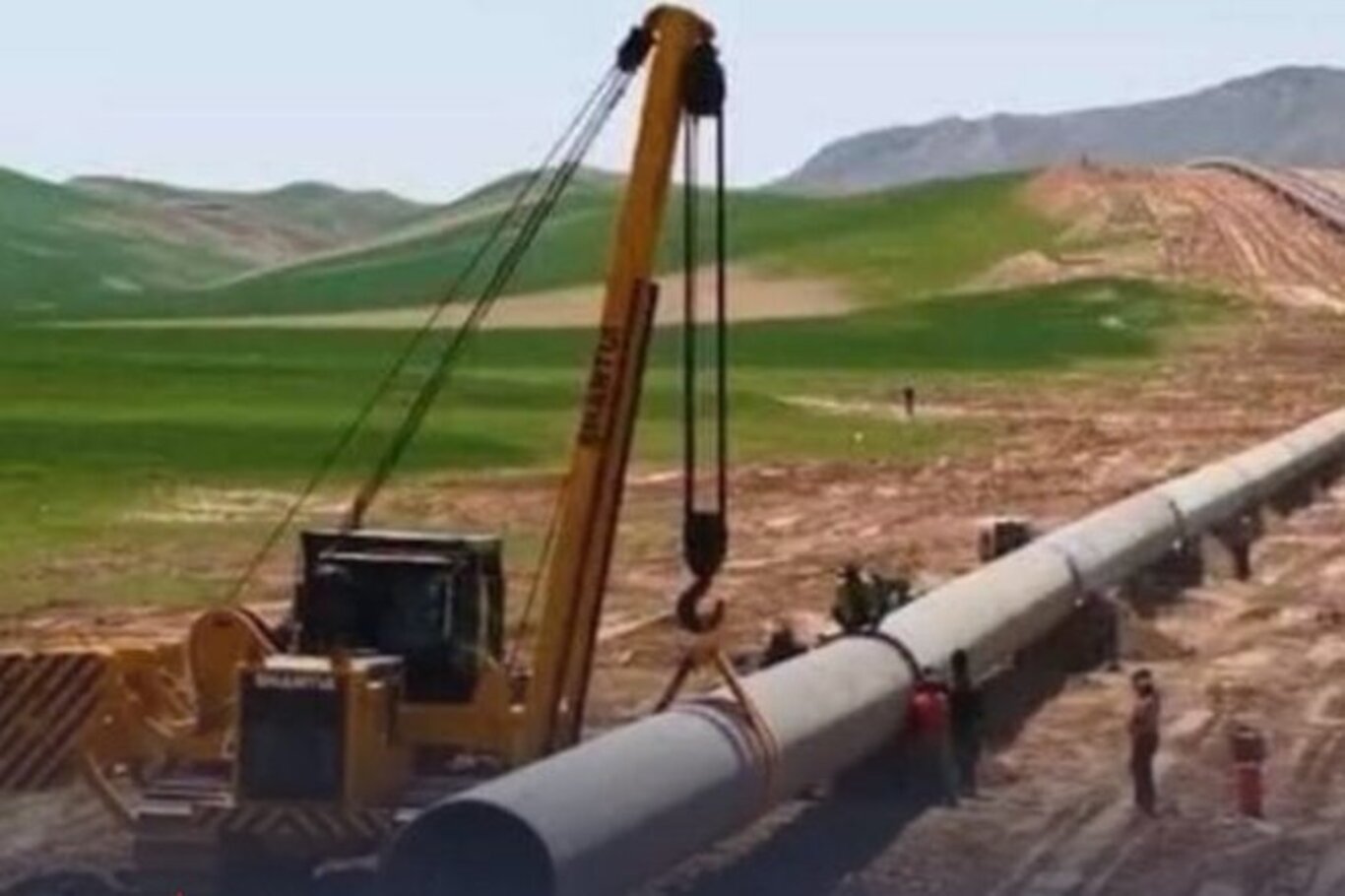
Turkmenistan expects to complete construction of the Afghan section of the Turkmenistan-Afghanistan-Pakistan-India (TAPI) gas pipeline by the end of 2026, with natural gas deliveries to the western Afghan city of Herat scheduled to begin in early 2027, officials said.
The 153-kilometer section connecting Turkmenistan's border town of Serhetabat to Herat is nearing completion, marking a significant step forward for the long-delayed regional energy project.
According to Turkmenistan's TAPI Pipeline Company, approximately 124 kilometers of the section have been welded and laid. Remaining work includes laying and burying the remaining pipes, completing road crossings, installing a gas metering station and finalizing legal and commercial agreements with the Afghan side.
The Herat section, estimated to cost around $600 million, is expected to generate initial revenue and strengthen confidence among potential international investors and lenders, Muhammetmyrat Amanov, head of the Turkmen state company responsible for the project, told Reuters on Thursday.
Afghanistan is initially expected to purchase 500 million cubic meters of Turkmen natural gas annually through the pipeline, according to Turkmen officials.
Major economic opportunities for Afghanistan
The TAPI project is expected to provide Afghanistan with substantial economic benefits, including transit revenue, employment opportunities, infrastructure development and improved access to energy.
Afghanistan's Ministry of Mines and Petroleum estimates that the fully operational pipeline could generate approximately $400 million in annual transit revenue for the country and create thousands of direct and indirect jobs.
The project is also expected to support industrial development, electricity generation and the expansion of gas distribution networks, particularly in western Afghanistan.
Afghan authorities have identified the supply of natural gas to residential, commercial and industrial areas in Herat as a key priority following the completion of the distribution infrastructure.
Regional energy project faces financing and security challenges
The TAPI pipeline is designed to transport up to 33 billion cubic meters of natural gas annually from Turkmenistan's Galkynysh gas field through Afghanistan to Pakistan and India.
The approximately 1,800-kilometer project is estimated to cost around $10 billion, although securing the necessary financing for its full implementation remains a major challenge.
Turkmenistan has so far financed the construction, while the Asian Development Bank and Islamic Development Bank have been mentioned as potential sources of future funding.
Amanov said the initial Herat section could help strengthen investor confidence and attract financing for the remaining stages of the project.
However, security concerns in Afghanistan and Pakistan, tensions between Islamabad and Kabul, and longstanding rivalry between Pakistan and India continue to pose challenges to the completion of the wider pipeline.
The route through Pakistan's Balochistan province also faces security risks linked to an ongoing separatist insurgency.
For Turkmenistan, the pipeline represents an important opportunity to diversify its natural gas export markets and reduce its heavy dependence on China, while Afghanistan stands to strengthen its position as a regional energy and transit hub.
The completion of the Herat section and the anticipated start of gas deliveries in 2027 could provide fresh momentum to one of Central and South Asia's most ambitious infrastructure projects. (ILKHA)
LEGAL WARNING: All rights of the published news, photos and videos are reserved by İlke Haber Ajansı Basın Yayın San. Trade A.Ş. Under no circumstances can all or part of the news, photos and videos be used without a written contract or subscription.

Israeli settlers have carried out a coordinated wave of assaults against Palestinian civilians, homes, vehicles and agricultural lands across five governorates in the occupied West Bank, intensifying concerns over the continued violence, land seizures and forced displacement of Palestinian communities amid a lack of effective accountability for the perpetrators.
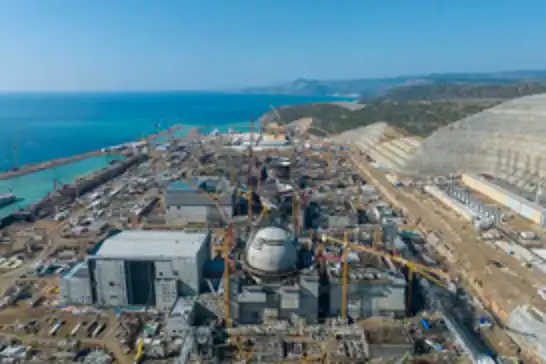
Russian Deputy Prime Minister Alexander Novak said the first power unit of Türkiye's Akkuyu Nuclear Power Plant (NPP) is expected to be commissioned in December 2026, describing the project as the flagship of nuclear energy cooperation between Türkiye and Russia.

The organizing committee of a planned conference in Canada marking the third anniversary of the Al-Aqsa Flood operation has rejected the Canadian government's decision to add the Palestinian Revolutionary Alternative Path Movement to its terrorism list, describing the move as a result of political pressure.