UN humanitarian team says Israeli restrictions worsened Gaza's deadly winter storm impact
 13 oC

Güneşli

The devastating impact of the latest rainstorm in the Gaza Strip was preventable, as Israeli occupation policies continue to obstruct the delivery of life-saving humanitarian supplies and prevent displaced Palestinians from accessing safer shelter, the Humanitarian Country Team (HCT) in the Occupied Palestinian Territory has warned.
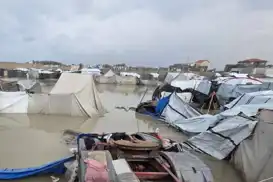
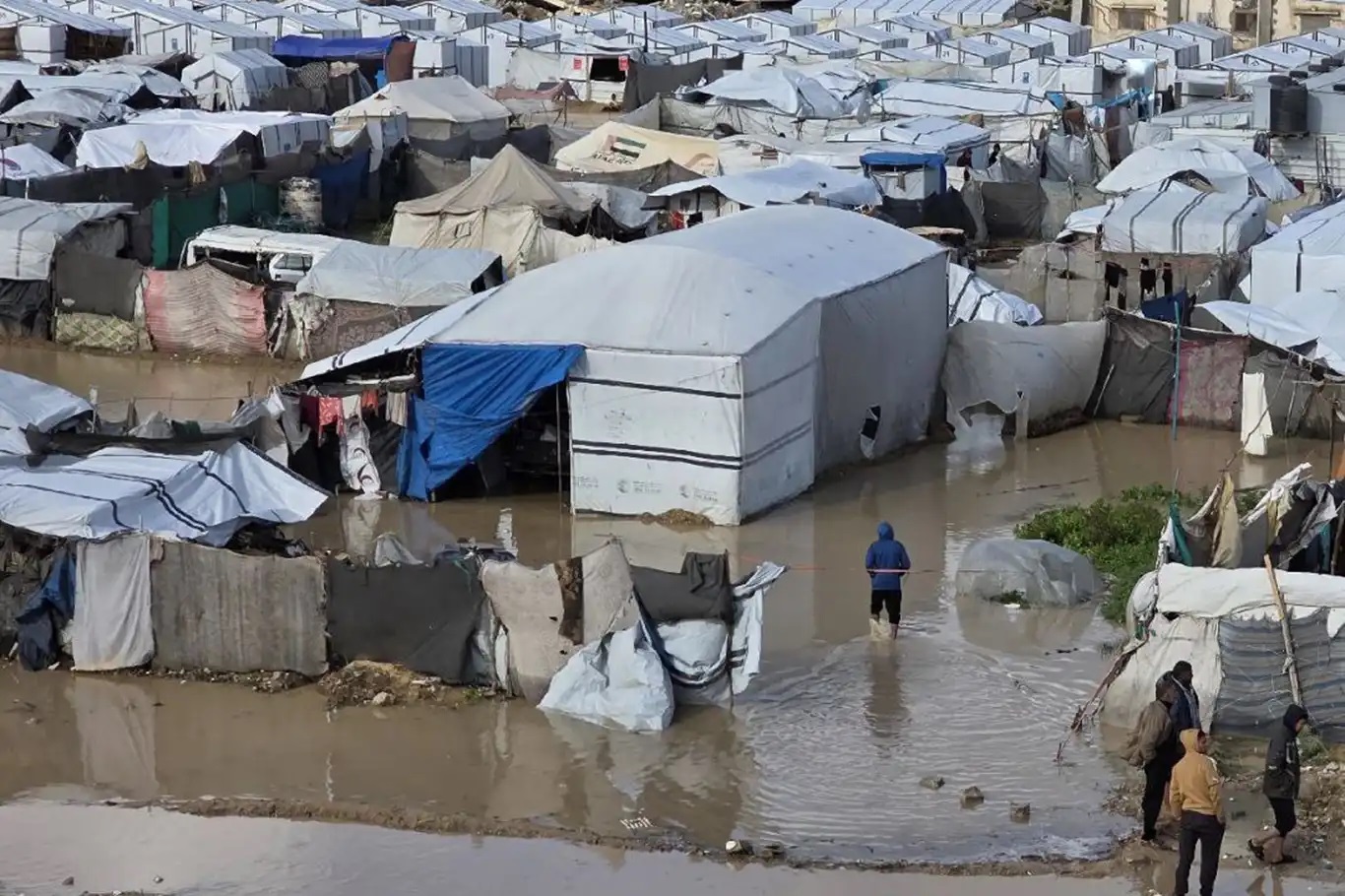
In a statement, the HCT said children and adults had been killed, critical services suspended, and thousands of Palestinian families' shelters flooded, swept away or torn apart by the storm, stressing that the destruction was not caused by extreme weather alone but also by Israeli policy decisions.
"Children and adults were killed, critical services suspended, and thousands of family shelters flooded, swept away, or torn apart – not by the storm alone, but by policy decisions," the humanitarian team said.
The HCT, which brings together heads of UN agencies and international and local non-governmental organizations, recalled that it had presented a comprehensive plan several months ago to help Palestinians prepare for the winter season.
However, continued Israeli restrictions on humanitarian access and the entry of essential supplies have left hundreds of thousands of displaced Palestinians exposed to freezing temperatures, heavy rainfall and deteriorating living conditions.
Israeli restrictions obstruct winter preparations
The proposed winter preparedness plan included emergency shelter assistance, improved healthcare and protection services, drainage systems, sandbag reinforcement and the delivery of essential humanitarian supplies.
The required items include tents, warm clothing, blankets and equipment for pumping floodwater, clearing debris and removing unexploded ordnance.
The plan also highlighted the urgent need for adequate funding, expedited entry of critical supplies and access to higher ground to protect displaced families from flooding.
The humanitarian partners stressed that Israel, as the occupying power, is obligated under international law to ensure the basic needs of Gaza's population and allow the entry of supplies essential for their survival.
However, they said Israeli policies continued to obstruct humanitarian operations, restrict the entry of critical supplies and prevent access to large parts of Gaza, including areas farther from the coastline that are less vulnerable to flooding.
"Incoming supplies face multiple approval requirements, limited crossing capacity and unpredictable or narrow delivery windows that delay their entry," the statement said.
More than 150,000 tents stranded outside Gaza
Despite severe funding shortages, more than 150,000 tents are reportedly waiting outside Gaza to be delivered to displaced Palestinians, while the humanitarian needs inside the besieged enclave continue to grow.
Repeated rainstorms have destroyed or damaged makeshift shelters, leaving families in urgent need of replacement tents and more durable accommodation.
"Winter will last for months. Access to longer-lasting shelter must not be made conditional on political progress when people's needs are so urgent," the HCT said.
"Winter supplies must reach families immediately to prevent further loss of life and protect their dignity. People cannot wait," it added.
The humanitarian partners called on Israeli authorities to immediately facilitate the entry of life-saving supplies, lift restrictions on humanitarian assistance and allow the repair of damaged water and wastewater networks.
Gaza faces growing health and humanitarian threats
The latest storm has further compounded the catastrophic humanitarian conditions facing Palestinians after months of Israeli military aggression, displacement and restrictions on essential supplies.
Cold and rainy weather, extreme overcrowding, deteriorating shelters and inadequate water and sanitation services have created conditions conducive to the spread of infectious diseases across the Gaza Strip, according to UN News.
The humanitarian partners also called for all aid organizations, including UN agencies, international humanitarian organizations and Palestinian non-governmental organizations, to be allowed to operate without obstruction.
They further urged the resumption of meaningful commercial activity to help address the growing shortages of essential goods.
The statement called on UN member states to use their political and diplomatic influence to ensure Israel meets its obligations and to provide urgently needed humanitarian funding.
"Let all humanitarian partners operate – UN agencies, international organizations, and Palestinian NGOs alike. Allow meaningful commercial activity," the partners said, warning that further delays in humanitarian assistance could cost more lives.
"Life is at stake," they stressed. (ILKHA)
LEGAL WARNING: All rights of the published news, photos and videos are reserved by İlke Haber Ajansı Basın Yayın San. Trade A.Ş. Under no circumstances can all or part of the news, photos and videos be used without a written contract or subscription.
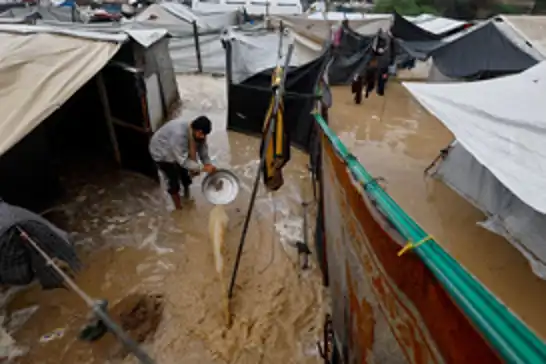
The World Health Organization (WHO) has warned that around 950,000 displaced Palestinians in the Gaza Strip are living in areas at risk of flooding, with 400,000 people facing extremely high risks as winter conditions approach.

A magnitude 5.9 earthquake struck off the coast of San Juan de Marcona in Peru, according to the country's Geophysical Institute (IGP).

Mossad chief Roman Gofman is visiting Washington for talks with senior US officials as Israeli Prime Minister Benjamin Netanyahu intensifies efforts to persuade US President Donald Trump to resume military aggression against Iran, according to a report by Axios citing three sources familiar with the matter.